
24/7 Customer Support

Free returns

Same-day & Next-day Delivery

Quality Guaranteed

Unlock Your Welcome Offers: FREE Delivery | Up to 80% OFF | Free 30-day JoyPlus trial
Download the APP
Navigating the shampoo aisle can feel overwhelming. With countless bottles promising miraculous transformations, it's easy to end up with a product that doesn't suit your hair or, worse, exacerbates your problems. As a Joybuy Product Recommendation Officer, my role is to help you see past the marketing jargon and make an informed choice. Many of us have fallen into common traps that lead to disappointment and wasted money.
Here are a couple of the most frequent pitfalls UK shoppers encounter:
To find a shampoo that truly works for you, focus on these two critical aspects of its formulation.
The primary job of a shampoo is to clean, and this is done by ingredients called surfactants. They are responsible for creating lather and removing dirt, oil and product buildup. Understanding the type of surfactant can tell you a lot about how the shampoo will behave.
Once the hair is clean, the other ingredients get to work. This is where you can find a formula tailored to your specific needs.
Based on these practical criteria, here are some recommendations matched to different user needs.
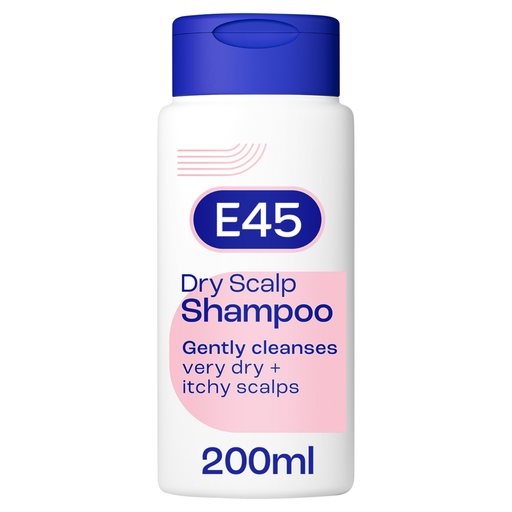
Why This Fits Their Persona: This user needs a reliable, no-fuss solution for persistent scalp discomfort. The E45 shampoo is specifically designed for dry, itchy and flaky scalps, leveraging a brand trusted in UK households for gentle skincare.
It avoids the "natural" halo effect by focusing on a dermatologically tested, hypoallergenic formula. It is free from soap, colour and perfume, minimising potential irritants.
Contains Pro Vitamin B5 to hydrate the scalp and hair. It is formulated to be effective for both dry scalp conditions and dandruff symptoms.
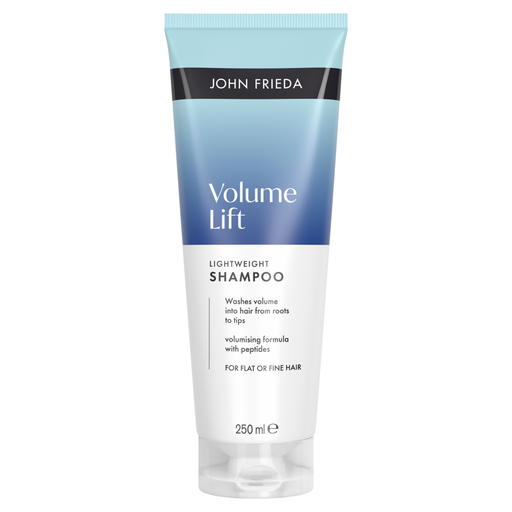
Why This Fits Their Persona: This user has fine, flat hair and is looking for a noticeable boost in body and bounce. This shampoo is specifically engineered to provide lift without weighing hair down, a common issue with volumising products.
It avoids the trap of heavy conditioning agents that flatten fine hair. Its lightweight, silicone-free formula cleanses effectively while peptides help fortify the hair structure for better lift.
The formula is vegan, silicone-free and colour-safe. According to the brand's own information, it is designed to add significant volume while gently cleansing.
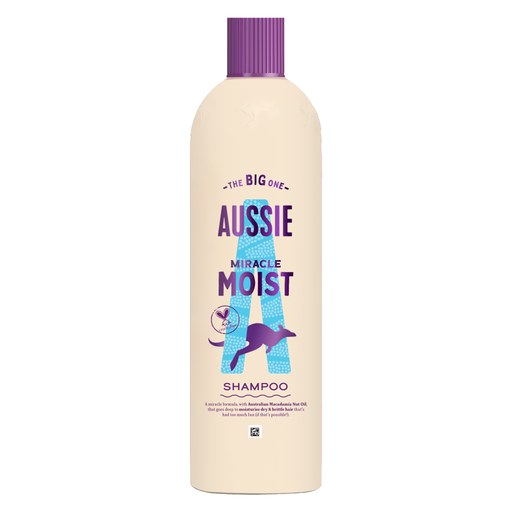
Why This Fits Their Persona: For those in the UK battling hair that feels constantly parched or brittle, this shampoo offers a straightforward moisture boost. It's a popular, accessible choice for reviving dry hair without a complicated routine.
Instead of vague "natural" claims, it focuses on a key moisturising ingredient, Australian Macadamia Nut Oil, known for its nourishing properties, providing a clear benefit.
Specifically formulated to quench and restore dry, damaged hair. It is also recognised by PETA as a cruelty-free brand.
We have compiled a complete, real-time list of products that fully satisfy these strict selection criteria and UK safety regulations.
This depends entirely on your hair type and lifestyle. Those with oily hair or who exercise daily may find they need to wash their hair every day. People with dry hair or curly textures might find washing every 2-3 days, or even less frequently, helps retain natural oils and prevent brittleness. Listen to your hair and scalp—if it feels greasy, heavy or your scalp is itchy, it's probably time for a wash.
While both can present with flakes, the causes are different. A dry scalp lacks natural oils, leading to small, dry flakes. A shampoo for a sensitive scalp or dry hair, often with hydrating ingredients like glycerin or oils, is usually sufficient. Dandruff is typically caused by an overgrowth of a yeast-like fungus, resulting in larger, often oily, yellowish flakes. An anti-dandruff shampoo is needed here, as it contains active ingredients like Piroctone Olamine or Salicylic Acid to control the fungus and exfoliate the scalp. Some products, like the E45 shampoo, are formulated to address the symptoms of both.
Not necessarily. Price often reflects marketing costs, packaging and the inclusion of niche or luxury ingredients. An affordable shampoo from a reputable brand can be just as effective as a high-end one if its formulation matches your hair's needs. The key is to read the ingredients list and focus on the surfactant system and active ingredients, rather than the price tag alone.