
24/7 Customer Support

Free returns

Same-day & Next-day Delivery

Quality Guaranteed

Unlock Your Welcome Offers: FREE Delivery | Up to 80% OFF | Free 30-day JoyPlus trial
Download the APP
For anyone who spends long hours on their feet—whether you are an NHS professional on a 12-hour shift, a retail worker navigating the shop floor, or simply dealing with the persistent ache of plantar fasciitis—the promise of a good foot massage at home is incredibly appealing. A shiatsu foot massager with heat sounds like the perfect solution. Yet, the market is flooded with options, and it is easy to make a purchase you later regret.
As the Joybuy Product Recommendation Officer, my role is to help you see past the marketing jargon. Before you invest, let's look at the common pitfalls that lead to disappointment and what features genuinely deliver relief.
Many devices fail to live up to their claims. Here are the three most frequent issues UK buyers encounter:
To ensure you get a machine that delivers on its promise, focus on these key technical specifications.
The quality of the massage is paramount. Look for a multi-function approach that goes beyond simple vibration. A high-quality electric foot massager for plantar fasciitis or general soreness should incorporate several techniques:
For heat to be therapeutic, it needs to be controlled and well-distributed. A reliable unit will specify its temperature range, typically between 40°C and 45°C. This is warm enough to relax muscles and boost blood flow without posing a safety risk. Check that the heating elements are located under the soles, where they can provide the most benefit for aches and pains.
A customisable experience is essential for comfort and effectiveness. Key features to verify include:
Finding a model that ticks all these boxes can be a challenge. Based on the criteria above, here is a standout option that aligns with the needs of users seeking comprehensive relief.
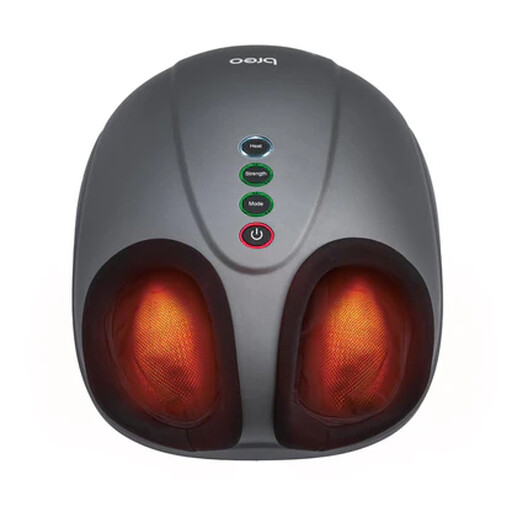
Why This Fits Their Persona: This model is well-suited for those with demanding jobs or chronic foot conditions who require a comprehensive solution. It combines deep kneading, air compression and reliable heat, and its generous chamber fits feet up to a UK men's size 12, making it a versatile choice for many households.
It directly counters the "weak massage" pitfall by integrating multiple techniques (deep kneading, rolling, scraping and compression). The heat function is specified at a therapeutic 40-45°C, avoiding the "barely warm" issue common in lesser models.
Features three adjustable compression intensities and removable, washable foot sleeves for excellent hygiene. It also makes for a thoughtful and practical relaxation gift for mum or a partner.
A foot massager can be a wonderful wellness gift. If you are searching for more thoughtful presents, we have compiled a complete list of ideas that are perfect for showing you care.
For general relaxation and relief from daily fatigue, using the massager for one 15-20 minute session per day is typically sufficient. Most modern devices have an auto-shutoff timer for safety. If you have a specific medical condition, it is always a good idea to consult with a healthcare professional for personalised advice.
Many users find that a combination of deep-tissue kneading, rolling and gentle heat can help alleviate the pain associated with plantar fasciitis. The massage action can help to stretch the plantar fascia ligament and improve blood flow to the area. However, it should be considered a complementary tool for pain management, not a cure.
Electric foot massagers are generally very energy-efficient. A typical model uses between 30 to 60 watts of power. Based on current UK energy prices, running a 50W massager for 20 minutes every day would cost only a few pence per week, making it a very affordable home wellness routine.