
24/7 Customer Support

Free returns

Same-day & Next-day Delivery

Quality Guaranteed

Unlock Your Welcome Offers: FREE Delivery | Up to 80% OFF | Free 30-day JoyPlus trial
Download the APP
A good shower gel does more than just clean; it can hydrate, refresh and set the tone for your day. Yet, the aisle is crowded with bottles making bold claims. Navigating the marketing hype to find a body wash that genuinely suits your skin and preferences can be a challenge. Many of us have been disappointed by a "moisturising" formula that leaves skin feeling tight, or a "natural" product that causes irritation.
As a Joybuy Product Recommendation Officer, my role is to help you see past the clever packaging and identify what truly matters. This guide will break down the common pitfalls to avoid and the key factors to look for, ensuring your next purchase is a confident one.
Before you add a new body cleanser to your basket, be aware of these frequent issues that can lead to buyer's remorse:
To make an informed choice, focus on the formulation. A quick scan of the ingredients list can tell you more than the marketing claims on the front of the bottle.
The primary job of a shower gel is to cleanse, and this is done by ingredients called surfactants. Their type and concentration determine how gentle or harsh the product is.
Beyond cleansing, a good formula should support skin health.
Based on these criteria, here are some recommendations tailored to different needs and preferences.
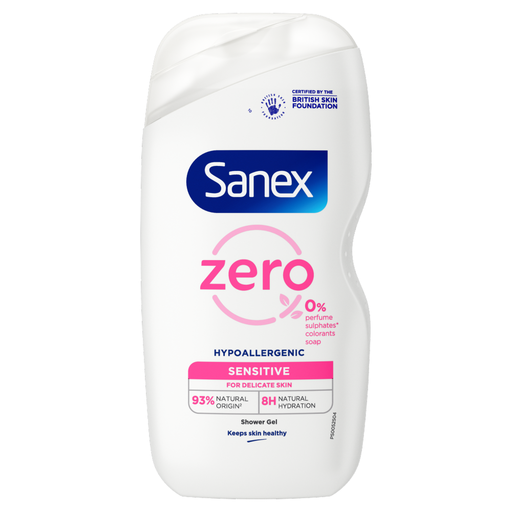
Why This Fits Their Persona: This user needs a product that prioritises safety and gentleness above all else. They are wary of fragrances and harsh chemicals that can trigger redness or itching. This shower gel is specifically designed to minimise the risk of irritation for reactive skin.
It directly counters the "Natural Illusion" trap by focusing on what it omits: 0% fragrance, sulphates, colourants and soap. Its value is in its minimalist, scientifically-formulated approach rather than vague botanical claims.
Dermatologically tested and uses milder surfactants (Cocamidopropyl Betaine) alongside hydrating agents like Glycerin and Lactic Acid to cleanse without stripping the skin.
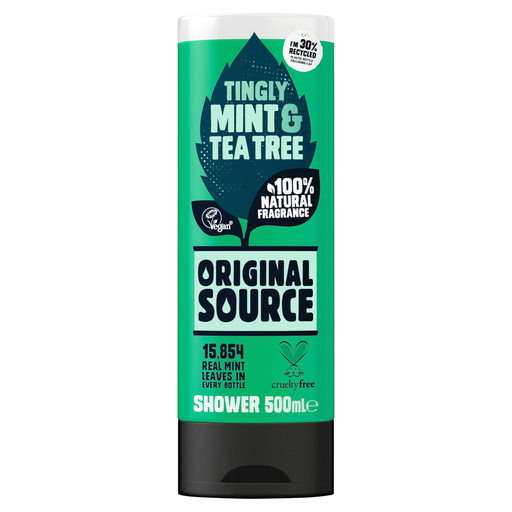
Why This Fits Their Persona: This shopper prioritises ethical and environmental credentials. They look for a vegan body wash that is cruelty-free, uses natural fragrances and comes in sustainable packaging. The invigorating sensory experience is a welcome bonus.
It avoids greenwashing with clear, verifiable claims. It is certified by the Vegan Society, uses 100% natural fragrance, is free from microplastics and the bottle is 100% recyclable. These are tangible commitments, not just marketing buzzwords.
Delivers a powerful, tingling sensation from real mint leaf oil for a truly refreshing shower gel experience. The formula is also paraben-free for a more conscious cleanse.
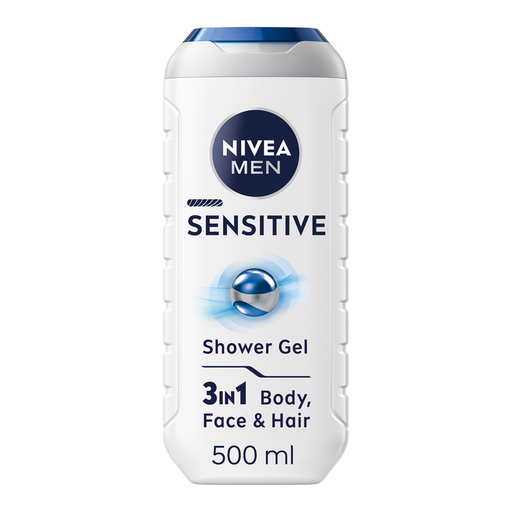
Why This Fits Their Persona: This user values efficiency and a no-fuss routine. A 3-in-1 product is appealing, but they are also aware that their skin can feel tight or irritated. They need a reliable, multi-purpose men's shower gel that doesn't compromise on skin comfort.
It sidesteps the "Harsh All-in-One" trap by being specifically formulated for sensitive skin. Its pH-neutral formula with bamboo extract is designed to be gentle enough for the face, body and hair, offering convenience without the usual compromise.
The formula is 99% biodegradable and microplastic-free, with packaging made from recycled plastic. It offers a practical and more environmentally conscious choice for the daily routine.
We have compiled a complete, real-time list of products that fully satisfy these strict selection criteria and UK safety regulations.
While often used interchangeably, there are subtle differences. Shower gel typically has a firmer, gel-like consistency. Body wash is usually more liquid, similar to liquid soap. Shower cream is thicker, richer and often contains more moisturising oils or butters, making it a good choice for very dry skin. All serve the same primary purpose of cleansing the body.
It is generally not recommended unless the product is explicitly labelled as being safe for facial use (like some 3-in-1 formulas for sensitive skin). Facial skin is thinner and more delicate. Most shower gels are formulated for the thicker skin on the body and can be too harsh, potentially stripping the face of its natural oils and disrupting its pH balance.
Look for official certification logos on the packaging. In the UK, the most common and trusted certifications are from The Vegan Society or PETA. These logos guarantee that the product and its ingredients have not been tested on animals and do not contain any animal-derived ingredients. Without a certification, a "vegan-friendly" claim is simply the brand's own statement.