
24/7 Customer Support

Free returns

Same-day & Next-day Delivery

Quality Guaranteed

Unlock Your Welcome Offers: FREE Delivery | Up to 80% OFF | Free 30-day JoyPlus trial
Download the APP
Navigating the world of Chinese condiments can be a challenge, especially when you're searching for the one ingredient that can make or break an authentic Sichuan dish: Sichuan chilli bean paste, or doubanjiang. With so many jars on the shelf, it's easy to end up with a generic chilli oil or a paste that lacks the deep, savoury flavour your recipe for Mapo Tofu demands.
As the Joybuy Product Recommendation Officer, my role is to help you see past the confusing labels and marketing claims. Here, we'll break down the common purchasing pitfalls and highlight the key features to look for, ensuring you choose a paste that brings the true taste of Sichuan to your kitchen.
Many home cooks find their homemade Sichuan dishes don't quite match the restaurant versions. Often, the issue lies with the chilli paste. Here are three frequent mistakes to avoid.
sriracha sauce, assuming they are interchangeable. True Sichuan chilli bean paste is a fermented paste made from broad beans and chillies, providing a complex, salty and deeply savoury (umami) flavour that is fundamental to the cuisine. Other sauces are typically used as finishing oils or dipping sauces, not as a cooking base.To ensure you're getting an authentic and high-quality product, focus on these two non-negotiable factors.
The defining characteristic of authentic doubanjiang is its primary ingredients: broad beans (fava beans) and chillies. Always check the label. If broad beans are not listed near the top, it is not the classic paste required for dishes like Mapo Tofu or Twice-Cooked Pork. The ingredient list for a traditional paste is often very short: chillies, broad beans, salt and sometimes wheat flour, which aids fermentation. Pastes with added sugar, MSG or other flavourings can still be good, but they will have a different, often less traditional, flavour profile.
The depth of flavour in a good chilli bean paste comes from fermentation. Premium products are often aged for at least a year. While the exact ageing period is rarely stated on UK packaging, look for terms like "Premium Grade" or check the colour. A high-quality, well-fermented paste will have a deep, reddish-brown hue rather than a bright, fiery red. This indicates the flavours have had time to mature and develop complexity.
To simplify your choice, we've matched a few products from our selection to different cooking styles and needs.

Why This Fits Their Persona: This is for the home cook dedicated to recreating restaurant-quality Sichuan dishes. As a premium grade Pixian broad bean paste from a heritage brand, it provides the foundational savoury depth essential for an authentic mapo tofu sauce.
It is the genuine article—a fermented broad bean paste, not a simple chilli sauce. The "Premium Grade" and "Pixian" association signals its high quality and traditional production, avoiding the pitfall of a weak, overly salty substitute.
Features a pure, traditional ingredients list for an unadulterated, complex umami flavour. Its thick texture requires blooming in oil, giving the cook full control over the final dish.
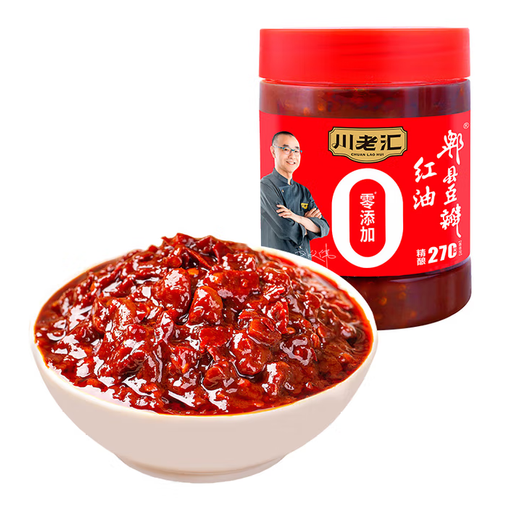
Why This Fits Their Persona: Ideal for those who want authentic Sichuan flavour without the extra step of blooming the paste. The pre-mixed oil makes it perfect for adding a quick, flavourful kick to noodles, stir-fries or even as a dip.
This product directly addresses the usability pitfall. While it is a true chilli-broad bean paste, the inclusion of rapeseed oil makes it a ready-to-use seasoning, removing the guesswork for less experienced cooks.
Offers great convenience with its balanced flavour and oily texture. The large 500g jar provides excellent value for those who use it regularly.
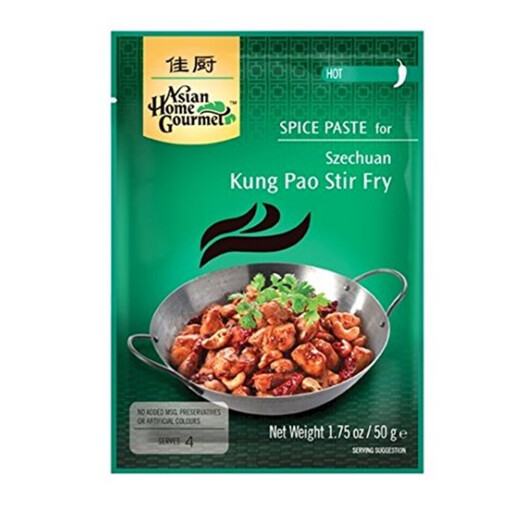
Why This Fits Their Persona: This is for the cook who wants to make a perfect Kung Pao chicken without buying five different ingredients. This purpose-built kung pao paste contains the specific blend of spices, including Szechuan peppercorns, for that dish.
It avoids the "one-sauce-fits-all" pitfall. By being a dedicated stir-fry paste, it doesn't pretend to be a universal doubanjiang. It delivers the specific sweet, savoury and numbing flavour profile unique to Kung Pao.
Extremely convenient, with a 50g sachet perfectly portioned for one family meal. It includes Szechuan peppercorns, saving you from having to source this specialist ingredient separately.
We have compiled a complete, real-time list of products that fully satisfy these strict selection criteria and UK safety regulations.
1. How long does Sichuan chilli bean paste last once opened? Once opened, most Sichuan chilli bean pastes should be stored in the refrigerator with the lid tightly sealed. Due to their high salt content, which acts as a natural preservative, they can last for several months, often up to a year. Always use a clean spoon to prevent contamination. If you notice any mould or an off smell, it should be discarded.
2. Is Sichuan chilli bean paste the same as gochujang or sriracha? No, they are very different.
3. Do I need to cook doubanjiang before eating it? Yes, for almost all traditional pastes. Doubanjiang is a raw, fermented ingredient and is not intended for direct consumption. The standard method is to fry it in oil over low-to-medium heat for a minute or two at the beginning of the cooking process. This "blooming" process is crucial as it mellows the raw flavour, deepens the colour and releases its complex, savoury aroma into the oil, which then forms the flavour base for your entire dish.