
24/7 Customer Support

Free returns

Same-day & Next-day Delivery

Quality Guaranteed

Unlock Your Welcome Offers: FREE Delivery | Up to 80% OFF | Free 30-day JoyPlus trial
Download the APP
Recreating the vibrant, complex flavours of Sichuan cuisine at home can be a rewarding experience. Yet, standing in front of a shelf filled with jars of red pastes and oils can be confusing. What is the difference between a fragrant chilli oil and a deep, dark bean paste? Which one is right for the Mapo Tofu you want to cook and which is for drizzling over noodles?
This guide is designed to help you navigate the world of Sichuan chilli sauce. We will break down the key types, explain what to look for when buying and offer some practical recommendations to help you select the perfect authentic Sichuan ingredients for your kitchen pantry.
Before you add a jar to your basket, understanding the main categories will ensure you get the flavour profile you are looking for.
The term 'Sichuan chilli sauce' covers a wide range of products, but they generally fall into two camps: oils and pastes.
Many authentic Sichuan sauces feature the signature 'mala' (麻辣) sensation. This is a combination of two distinct feelings: má (麻), the tingling, numbing effect from Sichuan peppercorns, and là (辣), the fiery heat from chillies. A dedicated mala sauce is a compound condiment that balances both, making it a convenient all-in-one option for stir-fries or as a hot pot base. When you see 'mala' on a label, expect that distinctive numbing spicy sauce experience.
For a truly authentic taste, the ingredient list is your best guide. For a high-quality Pixian bean paste, look for broad beans (fava beans) high up on the list. For a fragrant Sichuan chilli oil or mala sauce, the presence of Sichuan peppercorns is non-negotiable to achieve that classic numbing sensation. The colour can also be an indicator; doubanjiang should have a deep, reddish-brown hue, a sign of proper fermentation.
Based on their ingredients and suitability for classic Sichuan dishes, here are a few standout options available in the UK.
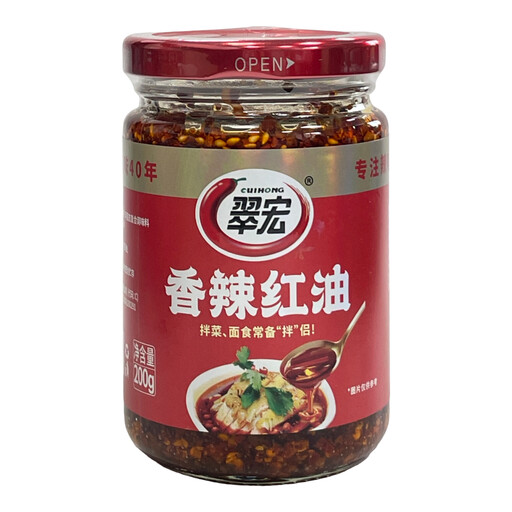
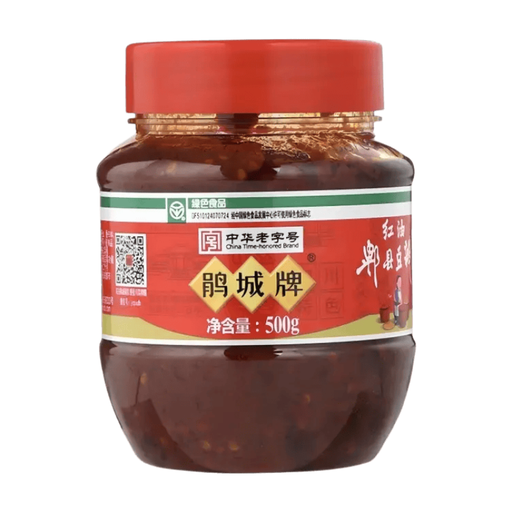

These recommendations are a great starting point, but the world of Chinese chilli paste is vast. If you are searching for a different level of heat, a specific regional flavour or a larger size for your hot pot party, there are many more varieties to discover.
Explore our full range of authentic chili red oil and pastes to find the perfect match for your pantry.
The main difference lies in their composition and use. Sichuan chilli oil is an infused oil used as a finishing condiment to add aroma and heat. Doubanjiang (fermented broad bean paste) is a thick, salty paste used as a core cooking ingredient to build a deep, savoury flavour base in dishes.
While it contains chillies, the primary flavour of Pixian bean paste is salty and savoury (umami) from the long fermentation process. The heat is generally a deep, warming spice rather than a sharp, aggressive one. Its purpose is to add complexity, and the overall spiciness of a dish is often increased with additional fresh or dried chillies.
For an authentic Mapo Tofu, using Pixian bean paste (doubanjiang) is highly recommended. While other types of Chinese chilli paste can add heat, they typically lack the unique, savoury depth that comes from fermented broad beans, which is the signature flavour of this iconic dish.