
24/7 Customer Support

Free returns

Same-day & Next-day Delivery

Quality Guaranteed

Unlock Your Welcome Offers: FREE Delivery | Up to 80% OFF | Free 30-day JoyPlus trial
Download the APP
A well-chosen sideboard can transform a room, turning a cluttered dining area or a disorganised living space into a model of style and order. Yet, finding the right one can feel overwhelming. It needs to be more than just a storage cabinet; it should complement your decor, fit your space perfectly and meet your specific storage needs.
This guide is designed to simplify your search. As a Joybuy Product Recommendation Officer, my role is to help you navigate the options and find functional, stylish furniture. Here, we will explore what to look for in a quality sideboard and highlight a few standout options that cater to different tastes and requirements.
Before you start browsing, considering a few key factors will ensure you find a piece that you will be happy with for years to come.
The first step is always to measure the intended area. A sideboard should be proportionate to the room and the furniture around it. For a dining room sideboard, ensure there is at least 60cm of clearance around it to allow for foot traffic and for chairs to be pulled out comfortably. Its height should ideally sit below any window sills. While traditionally found in dining rooms, a sideboard is an incredibly versatile piece of living room storage or can even bring character and function to a wide hallway.
The material dictates the sideboard's look, feel and durability. Solid wood and oak veneers offer a timeless, traditional appeal. For a more contemporary feel, look for units with clean lines, minimalist hardware or unique finishes. A modern sideboard might feature sleek metal legs or a fluted texture, while a grey sideboard made from powder-coated metal can introduce an industrial edge. Consider your existing furniture—do you want a piece that blends in or one that serves as a statement?
Think about what you plan to store. Deep cabinets are ideal for stacking dinnerware, large serving bowls and table linens. Drawers are perfect for organising cutlery, napkins and smaller items. Some sideboards also feature open shelving, which is excellent for displaying decorative objects, books or your favourite glassware. A combination of drawers and cabinets often provides the most flexible solution.
Here are three distinct sideboard options, each offering a unique blend of style and functionality to suit different UK homes.
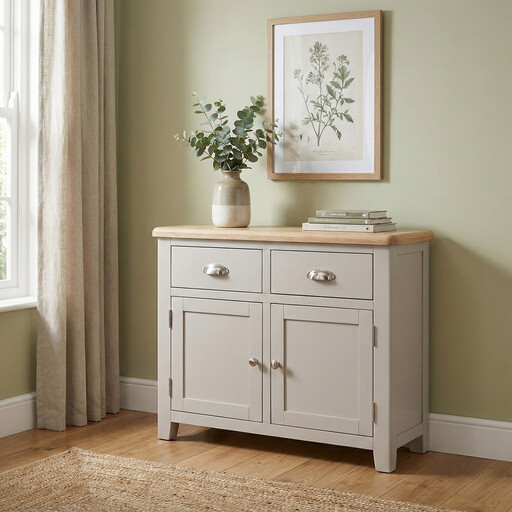
Why It Stands Out: The Windermere sideboard combines classic country-style aesthetics with practical design. Its two-tone finish, featuring a warm oiled oak top and a sophisticated oyster grey base, creates a look that is both timeless and contemporary.
Pros:
Who is it for? This sideboard is an excellent choice for those who appreciate traditional or farmhouse-inspired decor. Its neutral colour palette allows it to fit seamlessly into many dining rooms or living areas, and its ready-assembled nature is a significant convenience.
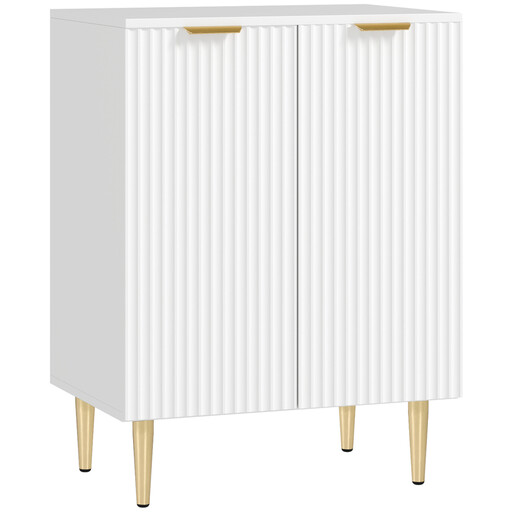
Why It Stands Out: This Homcom unit is a perfect example of a modern sideboard. The clean white finish, elegant fluted door fronts and striking gold-tone metal base create a chic, glamorous look that elevates any space.
Pros:
Who is it for? Ideal for anyone looking to add a touch of modern elegance to their home. Its compact size and versatile design make it suitable as a living room storage cabinet, a stylish drinks cupboard or an entryway organiser. Note that this item requires assembly.
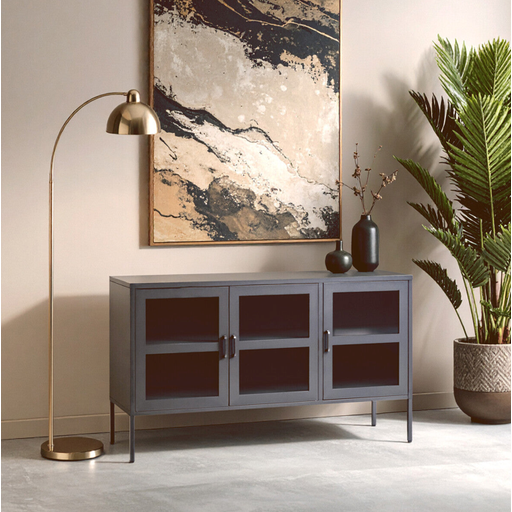
Why It Stands Out: The Acier sideboard makes a bold statement with its industrial design. The robust, powder-coated grey sideboard frame is complemented by a wood-effect top and three glass-panelled doors, blending raw materials with refined display capabilities.
Pros:
Who is it for? This is for the homeowner who needs significant storage and wants a piece of furniture with a strong, contemporary character. It works exceptionally well in open-plan living and dining areas where it can define the space.
While these three recommendations cover a range of popular styles, they are just the beginning. Every home is unique, and the perfect sideboard is one that fits your personal taste and functional needs.
If you haven't found your ideal match yet, we invite you to browse our complete collection. You will find a wider variety of sizes, materials and designs to suit any room.
Explore our full range of Living Room Sideboard Furniture
1. What is the difference between a sideboard and a console table? The main differences are size and function. A sideboard is typically deeper and wider, designed primarily as a storage cabinet with substantial enclosed space (cabinets and drawers). It is most often found in a dining or living room. A console table is much slimmer and often taller, designed to sit flush against a wall in a hallway or behind a sofa. Its storage is usually minimal, consisting of a small drawer or an open lower shelf.
2. How do I choose the right size sideboard for my dining room? To ensure a balanced look, choose a sideboard that is shorter in height than your dining table and not so long that it overwhelms the wall. A good rule of thumb is to select a sideboard that is at least 15cm shorter than the wall it will be placed against on each side. Most importantly, ensure there is enough space for people to walk around it and pull out chairs comfortably—aim for at least 60cm of clearance.
3. Can a sideboard be used in a living room? Absolutely. A sideboard is an extremely versatile piece of furniture. In a living room, it can serve as an elegant media unit (ensure it has holes for cables if needed), a stylish storage solution for books, games and electronics, or simply as a surface to display lamps, photos and art. Its enclosed storage is perfect for keeping clutter out of sight.