
24/7 Customer Support

Free returns

Same-day & Next-day Delivery

Quality Guaranteed

Unlock Your Welcome Offers: FREE Delivery | Up to 80% OFF | Free 30-day JoyPlus trial
Download the APP
Moving from a bottle to a cup is a significant milestone for your little one, but for parents, it can often signal the start of endless spills, leaks and puddles. Finding the right sippy cup can feel like a mission, with countless options on the market. How do you choose a cup that your child will actually use, that doesn't leak all over the car seat and that won't take ages to clean?
As the Joybuy Product Recommendation Officer, my role is to help you navigate these choices. This guide cuts through the marketing clutter to offer practical advice on what to look for in a toddler cup and highlights a few standout options to consider.
Before diving into specific products, let's cover a few key features that make a real difference in day-to-day use.
Your child's safety is paramount. When selecting any plastic product for your baby, look for items explicitly labelled as a BPA-free sippy cup. Bisphenol-A (BPA) is a chemical that has been widely phased out of baby products in the UK due to health concerns. Reputable brands will always state that their products are free from BPA, BPS and other potentially harmful substances, giving you peace of mind.
The world of sippy cups is mainly divided into two camps: spouts and straws.
A cup might be a spill proof toddler cup, but if it has a dozen tiny, hard-to-reach parts, you may grow to resent it. An easy clean sippy cup is a non-negotiable for many busy parents. Look for cups with minimal components, wide openings and designs that don't require specialist brushes. Dishwasher-safe parts are also a major plus for convenience.
Based on features that address common parent needs like spill prevention, ease of use and hygiene, here are some recommendations to consider.
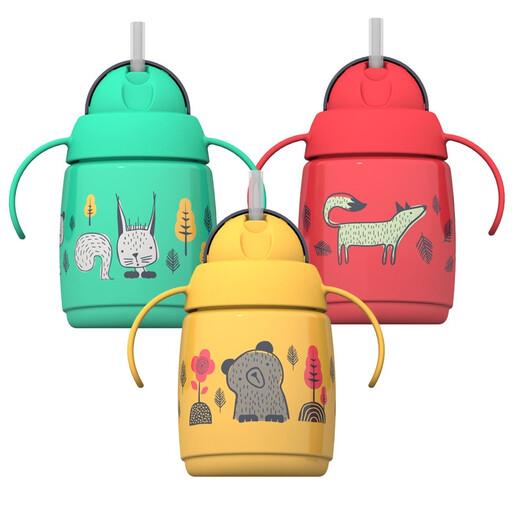
Why It Stands Out: This cup is designed to make the transition to straw drinking intuitive. The weighted silicone straw moves with the liquid, allowing your baby to drink from any angle without frustration. The brand also incorporates its INTELLIVALVE technology, which is designed to create a leak- and shake-proof seal.
Pros:
Who is it for? This is an excellent trainer cup for parents introducing a straw to babies from 6 months onwards. Its focus on leak prevention and ease of use makes it a strong contender for a first baby beaker.

Why It Stands Out: The name says it all. This cup directly tackles one of the biggest complaints about straw cups: cleaning. It features a unique straw that zips open, allowing you to scrub the inside thoroughly without needing a special tiny brush. This simple but effective design makes maintaining hygiene much easier.
Pros:
Who is it for? This is the ideal easy clean sippy cup for parents who prioritise hygiene and are tired of fiddly cleaning tools. It's a practical choice for toddlers aged 12 months and up who are already comfortable with using a straw.
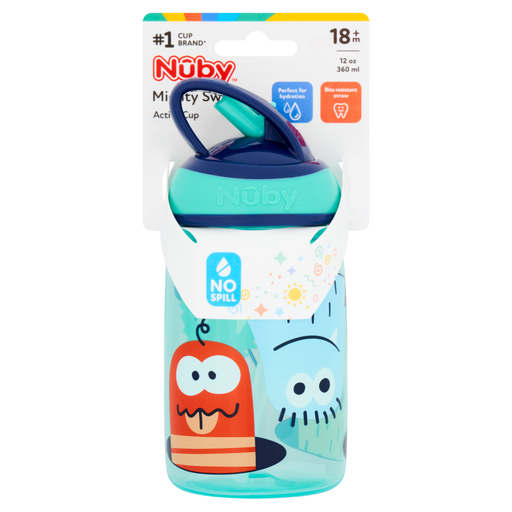
Why It Stands Out: As toddlers grow, they often start to chew on everything, including their cup spouts. The Nuby Mighty Swig addresses this with a durable, bite-resistant hard spout. It’s built to withstand the rigours of toddler life, combining toughness with a reliable leak-resistant valve.
Pros:
Who is it for? This is a great option for parents of older toddlers (18 months and over) who need a more robust toddler cup. If you find your child is destroying soft spouts or straws, this hard-spout design is a logical next step.
Every child is different, and what works for one may not work for another. If these specific models aren't quite what you're looking for, or if you'd like to see a wider variety of designs and features, there are many other choices available.
Explore our full collection of cups with straws to find the ideal match for your little one.
When should my baby start using a sippy cup? Most health guidelines suggest introducing a sippy cup or baby beaker around 6 months of age, which often coincides with the introduction of solid foods. Starting early can help them develop the necessary motor skills and make the eventual transition away from the bottle smoother.
Are straw cups or spout cups better for development? There are differing opinions on this. Many speech and language therapists and dentists favour straw cups, as the sucking action helps develop the oral muscles needed for speech. However, spout cups can be an effective transitional tool from a bottle. The most important thing is to find a cup that your child can use successfully to stay hydrated.
What is the best way to clean a non-spill baby cup? For thorough cleaning, always disassemble the cup completely, including any valves, seals and straws. Wash all parts in hot, soapy water, using a small brush to clean inside straws and spouts. Rinse well and allow all components to air dry completely before reassembling to prevent mould growth. Many cups are also top-rack dishwasher safe, which can simplify the process.