
24/7 Customer Support

Free returns

Same-day & Next-day Delivery

Quality Guaranteed

Unlock Your Welcome Offers: FREE Delivery | Up to 80% OFF | Free 30-day JoyPlus trial
Download the APP
Choosing a new phone can be surprisingly difficult. Long specification lists, AI-labelled features and camera megapixel counts do not always show how a device will perform in everyday UK use. A phone that looks attractive online may have limited storage, an unsuitable charging arrangement or network compatibility issues that only become apparent after purchase.
This guide from the Joybuy Product Recommendation Officer focuses on practical buying decisions rather than marketing language. It covers 5G smartphones, SIM-free models, camera phones, Android devices, iPhones and rugged smartphones with long battery life.
A larger megapixel figure does not automatically mean better photos. Lens selection, optical image stabilisation, telephoto capability, image processing and low-light performance also matter. For example, a phone with a 50MP camera and OIS may be more useful for everyday movement than one with a larger sensor but no stabilisation.
If photography is important, check whether the phone includes ultra-wide and telephoto lenses, optical zoom and stabilisation rather than focusing on the main camera number alone.
Some Android smartphones advertise figures such as 20GB or 24GB RAM. These may combine physical memory with storage borrowed temporarily as virtual RAM. Virtual RAM can support app retention, but it does not work in exactly the same way as physical RAM.
When comparing Android smartphones, check the specification for the physical RAM figure, processor model and storage type. These provide a clearer indication of performance for gaming, multitasking and long-term use.
Unlocked mobile phones allow greater flexibility, but buyers should still check supported network bands, 4G and 5G compatibility, SIM configuration and eSIM support. A dual-SIM phone may use two physical Nano SIMs, one physical SIM plus eSIM or eSIM only.
Also check whether a charger is included. Many current SIM-free smartphones include a USB-C cable but not a charging adaptor, so an appropriate certified charger may be an additional cost.
A 120Hz refresh rate makes scrolling and compatible games appear smoother than a standard 60Hz panel. AMOLED and OLED displays typically offer strong contrast, while peak brightness is relevant if you regularly use your phone outdoors.
Large screens are useful for navigation, documents and video, but they can be heavier and less comfortable for one-handed use. Compare the phone’s dimensions and weight, not just the screen size.
Battery capacity is measured in mAh, but capacity alone does not determine how long a phone lasts. Processor efficiency, display brightness, mobile signal and camera or gaming use all affect real-world endurance.
Fast charging can be useful for commuting or travel, while reverse charging may help power smaller accessories. Confirm the charging standard and whether the charger is included before checkout.
An IP68 rating generally indicates controlled resistance to dust and fresh-water immersion. IP ratings are not a guarantee against every type of liquid, impact or long-term exposure. Salt water, high-pressure water and charging while wet can still cause damage.
For a phone you plan to keep for several years, check the stated software and security update period. Storage also matters: 256GB smartphones are suitable for users who keep many photos, videos, games and offline files, while microSD expansion can offer additional flexibility on selected models.
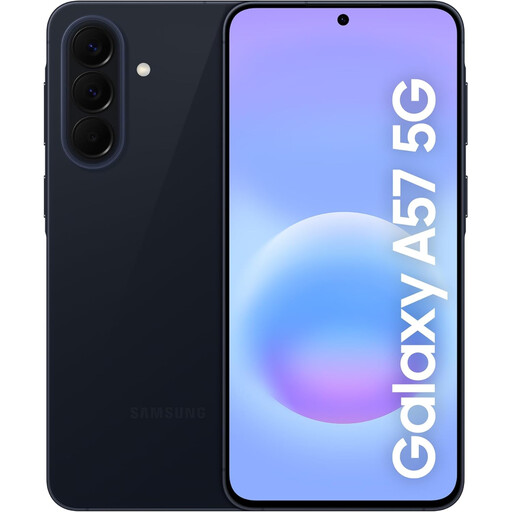
Why This Fits Their Persona: A balanced choice for streaming, social media, navigation and everyday 5G use without moving to a flagship-sized budget.
It lists 256GB storage, dual SIM and eSIM support, plus a 5,000mAh battery, making the main ownership details clear.
6.7-inch 120Hz Super AMOLED Plus display, 50MP OIS camera, IP68 rating and stated software support.
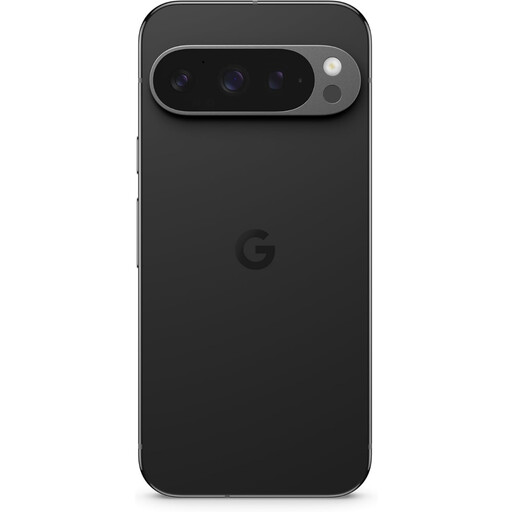
Why This Fits Their Persona: Suits buyers prioritising photography, a large high-resolution display and Google’s integrated AI tools for work and personal tasks.
Its listed camera system includes wide, ultra-wide and 5x telephoto lenses, rather than relying on a single high-megapixel sensor.
16GB RAM, 256GB storage, 6.8-inch 120Hz LTPO OLED display, 5G, IP68 protection and dual SIM support.
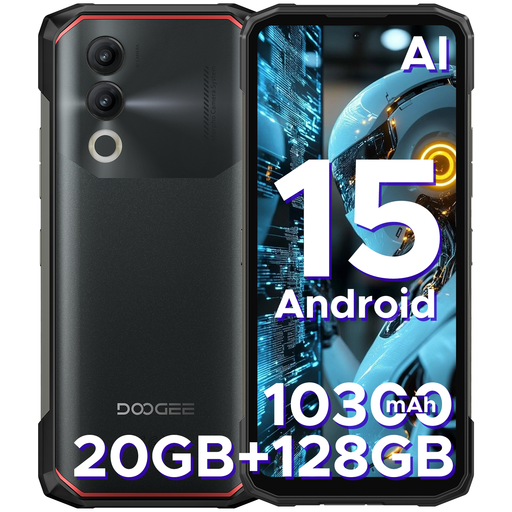
Why This Fits Their Persona: Designed for outdoor work, travel and users who value battery capacity, physical resilience and expandable storage over a slim body.
The 10,300mAh battery and triple-card slot are stated specifications, while up to 2TB TF-card expansion reduces dependence on internal storage.
Android 15, 90Hz display, NFC, OTG reverse charging, face and fingerprint unlocking and an unlocked dual-SIM design.
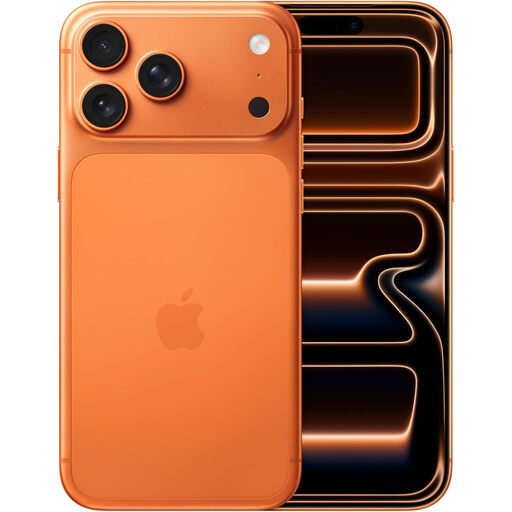
Why This Fits Their Persona: A suitable route for buyers already using Apple services and seeking a large display, iOS features and a multi-camera setup.
The listing specifies the A19 Pro chip, 256GB storage, three 48MP rear cameras and eSIM plus Nano-SIM support.
6.9-inch 120Hz OLED display, 5G, Wi-Fi 7, IP68 protection and USB-C connectivity.
We have compiled a complete, real-time list of products that fully satisfy these strict selection criteria and UK safety regulations.
Usually, an unlocked or SIM-free phone can be paired with a compatible UK network SIM or eSIM. You still need to check network bands, SIM format and whether the model is intended for the European market.
A phone may remain physically usable for several years, but practical lifespan depends on battery condition, software updates, storage and performance demands. A longer update commitment and sufficient storage can reduce the need for an early replacement.
5G itself does not necessarily increase the phone’s running cost. Your monthly data plan, network coverage and usage determine most ongoing costs. However, 5G streaming and hotspot use can consume data more quickly, so check your allowance before upgrading.