
24/7 Customer Support

Free returns

Same-day & Next-day Delivery

Quality Guaranteed

Unlock Your Welcome Offers: FREE Delivery | Up to 80% OFF | Free 30-day JoyPlus trial
Download the APP
Navigating the world of wearable technology can feel overwhelming. With a new smartwatch model appearing on the market almost every month, each promising a host of new features, how do you decide which one is right for you? Whether you're a dedicated athlete needing a precise GPS watch for running or someone who simply wants to track daily steps and receive notifications, the perfect device is out there.
This guide is designed to cut through the marketing clutter. We will outline the key factors to consider before you buy and present a few standout options to help you make an informed choice.
Before diving into specific models, let's break down the most important features to look for. Focusing on these will help you narrow down the options to what you truly need.
The first and most important check is whether a smartwatch is compatible with your smartphone. While many watches work with both major operating systems, the experience is often more seamless when you stay within the same ecosystem.
Always check the manufacturer's specifications for the required operating system version (e.g., Android 8.0+ or iOS 12.0+) before making a purchase.
What do you want your watch to do? A simple fitness tracker watch might be enough if you only need to count steps and monitor sleep. However, if you're serious about training, you'll want more advanced features. Look for a reliable heart rate watch to monitor your effort during workouts and a model with built-in GPS to accurately track your distance and pace on runs or cycles without needing to carry your phone. For swimmers, a waterproof smartwatch with a 5 ATM rating or higher is essential.
A smartwatch is an everyday accessory, so it needs to withstand daily life. Consider the screen material—many premium models use toughened glass for scratch resistance. Battery life is another major factor. Some devices require nightly charging, while others can last for weeks on a single charge. Think about your routine and how often you're willing to charge your device.
Based on features, user-friendliness and overall value, here are our recommendations for 2026.
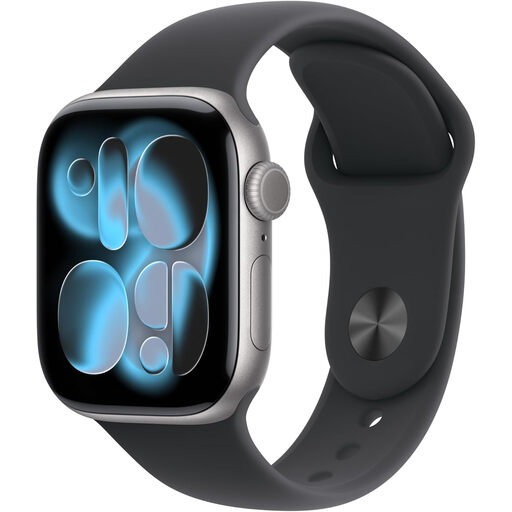


While these three models cover a wide range of needs, the world of wearables is vast. If you're looking for a different style, a more specialised device or just want to compare more models, there are many other choices available.
For a wider selection of fitness trackers and smartwatches, explore our full range of fitness wearables.
What is the main purpose of a smartwatch? A smartwatch is a multifunctional wrist-worn device that acts as an extension of your smartphone. Its core purposes are to deliver notifications, provide comprehensive health and fitness tracking, and offer convenient access to apps, payments and communication without needing to take out your phone.
Can a smartwatch work without a phone? Yes, to an extent. Most smartwatches can perform basic functions like telling time, tracking steps and monitoring heart rate without being connected to a phone. Models with built-in GPS can track outdoor workouts independently, and those with a cellular (eSIM) plan can make calls, send messages and stream music even when your phone is left at home.
How accurate is a smartwatch heart rate monitor? Modern optical sensors in a heart rate watch are generally very accurate for tracking resting heart rate and trends during most forms of exercise. For the vast majority of users, the data is more than sufficient for monitoring fitness levels and training intensity. While some professional athletes may still prefer a chest strap for specific high-intensity interval training, a wrist-based monitor is a reliable tool for everyday health and fitness.