
24/7 Customer Support

Free returns

Same-day & Next-day Delivery

Quality Guaranteed

Unlock Your Welcome Offers: FREE Delivery | Up to 80% OFF | Free 30-day JoyPlus trial
Download the APP
Navigating the world of smartwatches can be a complex task. With a constant stream of new models, technical specifications and features, it is easy to feel overwhelmed. Are you looking for a device to track your fitness, stay connected on the go or monitor your general wellness? This guide is designed to help you understand the key considerations and highlight some standout options available today.
As the Joybuy Product Recommendation Officer, my role is to provide clear, practical advice to help you make an informed choice that suits your lifestyle and budget.
Before diving into specific models, let's cover a few essential points that will help narrow down your search.
This is the most crucial first step. A smartwatch is a companion to your smartphone, and compatibility is non-negotiable.
Consider what you want your watch to do most.
All smartwatches connect to your phone via Bluetooth and Wi-Fi. The main difference is whether you need a cellular connection.
Based on features, user feedback and overall value, here are a few models worth considering.
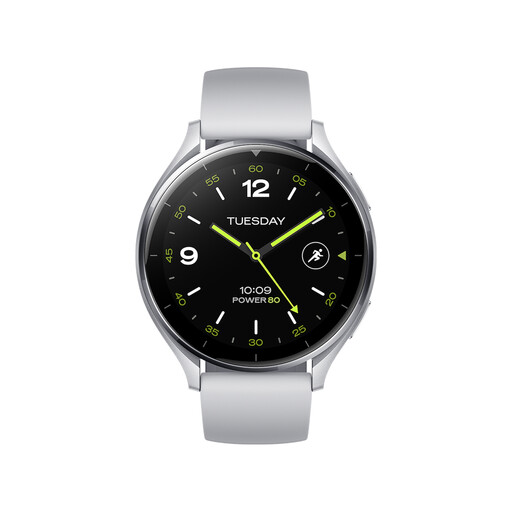
Why It Stands Out: The Xiaomi Watch 2 is a powerful and versatile option for Android users. Powered by Google Wear OS, it offers a smooth experience with access to the Google Play Store's apps. Its bright 1.43-inch AMOLED display is clear and responsive, while its comprehensive tracking capabilities make it a strong contender.
Pros:
Who is it for? This is an excellent choice for Android users who want a full-featured smartwatch with extensive fitness options and the flexibility of Wear OS, all without a premium price tag.

Why It Stands Out: The Apple Watch SE 3 delivers the core Apple Watch experience, focusing on essential features for fitness, connectivity and safety. It packs powerful hardware into a familiar design, making it a fantastic entry point or upgrade for iPhone users who value practicality and performance.
Pros:
Who is it for? The iPhone user who wants a reliable, capable and value-driven smartwatch for everyday fitness, communication and peace of mind. It's a practical choice that doesn't compromise on the key features that make Apple Watch so popular.
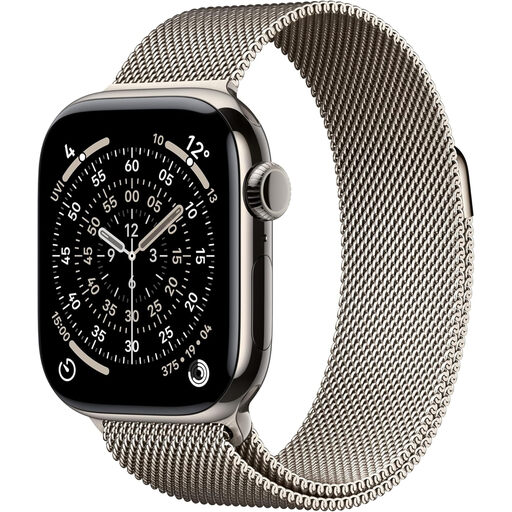
Why It Stands Out: The Apple Watch Series 11 represents a step up in materials and health-monitoring technology. Encased in premium Natural Titanium, it is both durable and lightweight. It introduces more advanced sensors for those who want deeper insights into their general wellness. Please note, health features are for general wellness and fitness purposes only and are not medical devices.
Pros:
Who is it for? The iPhone user who prioritises having the latest health-tracking technology and premium materials. It's for those who want the most comprehensive suite of wellness and connectivity features available in an Apple Watch.
These three models represent a great cross-section of what's available, but the right watch for you might have a different look or feel. If you prefer the lightweight and versatile style of an aluminium case, there are many other excellent choices to consider.
Explore our full range of Aluminium Case Watch models to find your perfect match.
1. What is the main difference between a smartwatch and a fitness tracker? While the lines are blurring, the main difference lies in functionality. A fitness tracker is primarily focused on monitoring activity, sleep and basic health metrics, often with longer battery life. A smartwatch does all that but adds a larger app ecosystem, advanced notifications, contactless payments and often cellular connectivity, acting as a true extension of your smartphone.
2. Do I really need a smartwatch with a cellular connection? It depends on your lifestyle. If you often go for a run, to the gym or run quick errands and want to leave your phone behind while remaining reachable for calls or messages, then a cellular model is worth considering. If your phone is almost always with you, a GPS-only model will likely suffice and save you the cost of an additional data plan.
3. How accurate is a smartwatch heart rate monitor? Modern optical heart rate sensors in smartwatches provide good estimates for tracking your heart rate during exercise and for general wellness monitoring. They are excellent tools for observing trends in your fitness levels. However, they are not classified as medical devices and should not be used to diagnose medical conditions. For clinical accuracy, a dedicated chest strap monitor is often recommended.