
24/7 Customer Support

Free returns

Same-day & Next-day Delivery

Quality Guaranteed

Unlock Your Welcome Offers: FREE Delivery | Up to 80% OFF | Free 30-day JoyPlus trial
Download the APP
A warming bowl of soup is one of life's simple pleasures. Whether it's a quick lunch at your desk, a comforting dinner on a chilly evening or a pantry staple for busy weeknights, the right soup can be both convenient and satisfying. However, the supermarket aisles and online stores are filled with options, and not all are created equal. Navigating the marketing claims to find a soup that genuinely meets your needs can be a challenge.
As the Joybuy Product Recommendation Officer, my role is to help you see past the hype. Many shoppers fall into common traps, such as choosing products with appealing "healthy" labels that conceal high levels of salt and sugar, or paying a premium for "gourmet" options made from very basic ingredients. This guide will break down what really matters when selecting a soup, ensuring you fill your basket with choices that are both delicious and right for your lifestyle.
To avoid disappointment, it pays to look beyond the front of the tin or packet. Focusing on a few key details on the back can tell you everything you need to know about the quality and suitability of a soup.
The most reliable way to judge a soup is by its contents. Here’s what to look for:
The format of the soup dictates its preparation time, texture and place in your meal plan.
Finding a soup that fits your dietary requirements is easier than ever, but requires careful label-checking.
Instead of a simple list, we've matched some noteworthy options to the people we believe they suit most.
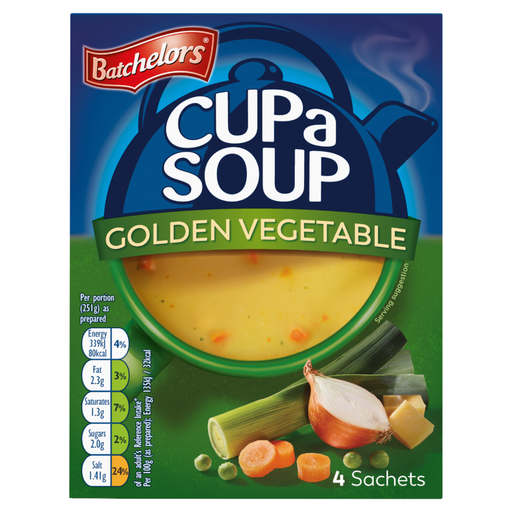
Why This Fits Their Persona: For those juggling deadlines, this instant soup is a lifesaver. It provides a quick, warming snack or light lunch without needing a hob or microwave, making it perfect for an office kitchen or student halls.
It sidesteps the "convenience vs. quality" pitfall by being transparent. It's an unashamedly quick and easy option, with clear nutritional information (e.g., 80 calories per cup) that allows for an informed choice.
Preparation in minutes with just boiling water. The individual sachets ensure freshness and portion control.
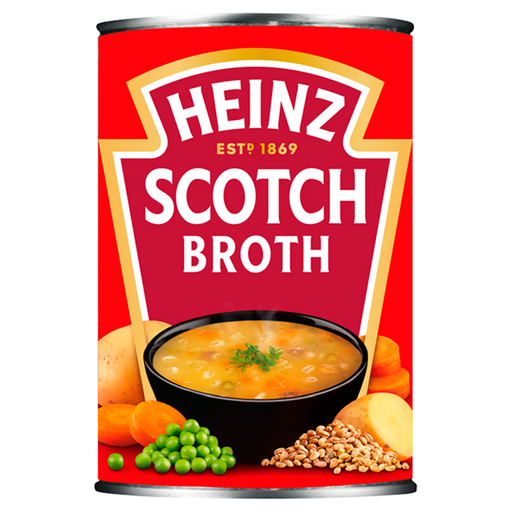
Why This Fits Their Persona: This is for someone who values a classic, reliable meal. A tinned Scotch broth is a British staple, offering a genuinely hearty and warming meal that's perfect for stocking up the cupboard for cold days.
It avoids the "gourmet price" trap by being a trusted, no-frills classic. The ingredient list is straightforward, with mutton, pearl barley and vegetables delivering the expected traditional flavour without pretentious marketing.
A genuinely filling, low-fat meal in a can. It's a taste of home that's ready in minutes on the hob.
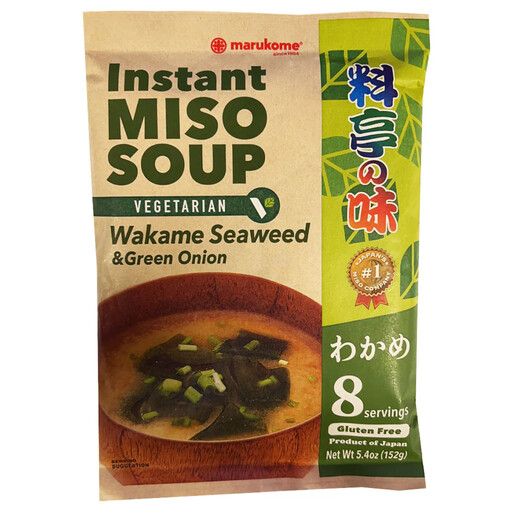
Why This Fits Their Persona: This is ideal for vegetarians and vegans looking for authentic international flavours. Miso soup offers a savoury, umami-rich experience that's a welcome change from standard vegetable soups.
It avoids the hidden-ingredients trap common in broths. The product clearly states its dashi (broth base) is derived from kelp and shiitake mushrooms, ensuring it is a genuinely vegetarian soup, free from fish stock.
Provides an authentic Japanese taste that's quick to prepare. The inclusion of wakame seaweed adds a pleasant texture and flavour.
We have compiled a complete, real-time list of products that fully satisfy these strict selection criteria and UK safety regulations.
The healthiness of an instant soup depends on the specific product and how it fits into your overall diet. Many are low in calories and fat, making them a convenient option. The main factor to watch is the salt content, which can be high. It's best to view them as a quick snack or part of a balanced diet, rather than a primary source of nutrition.
You can easily elevate a simple tinned soup. Try adding a swirl of cream, plain yoghurt or a knob of butter for richness. Freshly chopped herbs like parsley or chives can brighten the flavour, while a pinch of chilli flakes or a dash of hot sauce can add a welcome kick. Serving it with fresh, crusty bread for dipping always works a treat.
The main difference is the base and texture. A broth, such as Scotch broth or miso soup, is typically thin and water-based, containing clear liquid with chunks of vegetables, grains or meat. A cream soup, like a classic cream of tomato soup or mushroom soup, is thicker and opaque. Its creamy texture is usually created with the addition of milk, cream or a flour-and-fat thickener called a roux.