
24/7 Customer Support

Free returns

Same-day & Next-day Delivery

Quality Guaranteed

Unlock Your Welcome Offers: FREE Delivery | Up to 80% OFF | Free 30-day JoyPlus trial
Download the APP
A bottle of soy sauce is a cornerstone of any kitchen where East Asian cuisine is enjoyed. Yet, walk down the supermarket aisle or browse online and the sheer variety can be overwhelming. From light to dark, Chinese to Japanese and a host of different brands, choosing the right one is crucial for achieving authentic flavour. Many UK shoppers find themselves with a sauce that's too salty, not dark enough or simply doesn't taste right for their stir-fry.
As the Joybuy Product Recommendation Officer, my role is to help you navigate these choices. We'll look past the marketing claims and focus on the practical details that matter. This guide will help you avoid common purchasing pitfalls and select a soy sauce that truly suits your cooking needs, whether you're a home cook, a restaurant owner or someone with specific dietary requirements.
Before you add a bottle to your basket, be aware of these frequent mistakes that can lead to disappointing meals and wasted money:
To make an informed choice, focus on these key parameters. They are far more important than fancy labels or branding.
Understanding the fundamental difference between these two is the most critical step.
The ingredient list reveals the quality and style of the soy sauce.
Here are a few recommendations matched to different user needs, helping you find the right fit for your kitchen.
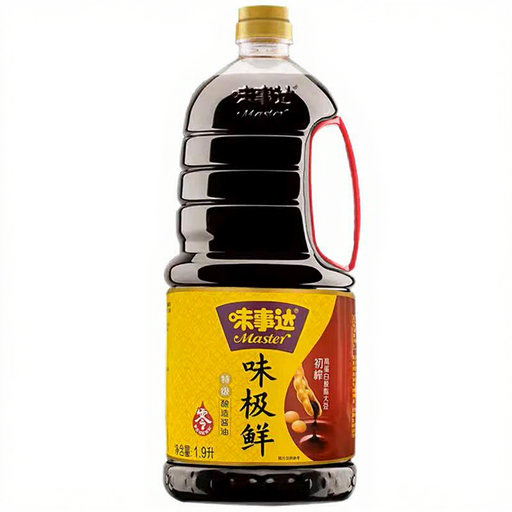
Why This Fits Their Persona: This large 1.9L bottle offers excellent economy for UK households that use soy sauce regularly. Its versatile, umami-rich profile is designed for everyday use in stir-fries, marinades and as a dipping sauce, making it a reliable pantry staple.
By being a dedicated light soy sauce, it avoids the "one-size-fits-all" trap. The large format directly addresses the value-for-money pitfall for heavy users.
Excellent value with its 1.9L size. A versatile, umami-rich flavour suitable for a wide range of daily cooking applications.
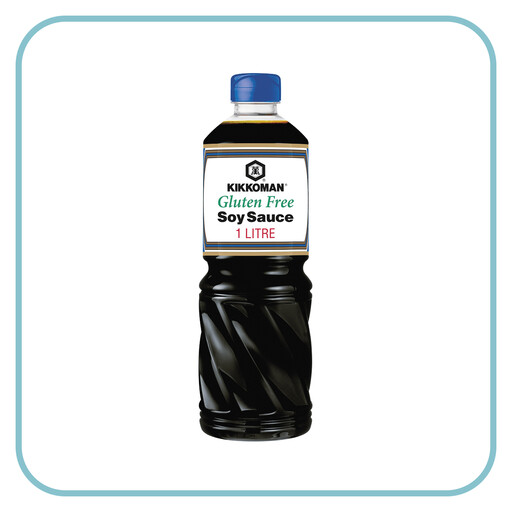
Why This Fits Their Persona: This sauce is certified gluten-free, vegan and halal, making it ideal for those with specific dietary needs. It's naturally brewed from just four ingredients, appealing to UK consumers looking for clean labels without artificial additives.
It directly provides a certified gluten-free soy sauce solution, preventing the common mistake of accidentally buying a wheat-based product. It is a genuine tamari, the correct choice for this requirement.
Certified gluten-free and made from only four simple ingredients. Delivers an authentic, rich brewed flavour suitable for coeliacs and others avoiding wheat.
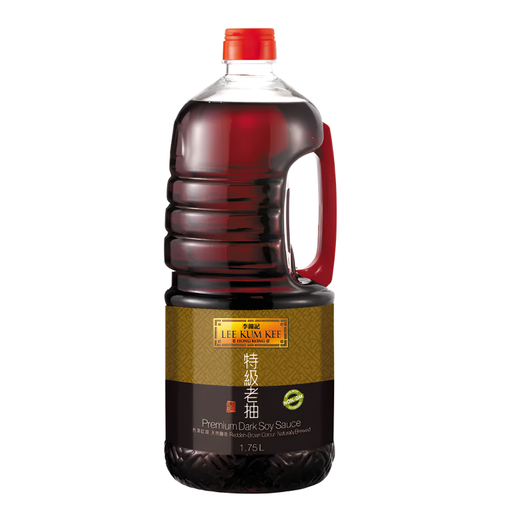
Why This Fits Their Persona: For anyone serious about making authentic red-cooked dishes, a quality dark soy sauce is non-negotiable. This one is specifically crafted to impart a deep, appetising colour and rich, mellow flavour to braises and stews. The large 1.75L bottle is perfect for this purpose.
This is a specialised product that solves the problem of pale, unappetising braises, preventing the user from trying (and failing) to get a deep colour from a light soy sauce.
Specifically formulated to add a rich, glossy caramel colour and mellow flavour, which is essential for many classic Chinese braised dishes.
We have compiled a complete, real-time list of products that fully satisfy these strict selection criteria and UK safety regulations.
1. What is the difference between Chinese and Japanese soy sauce? The main difference lies in the ingredients and brewing process. Japanese soy sauce (shoyu), such as the well-known Kikkoman soy sauce, is typically brewed with a roughly equal ratio of soybeans and roasted wheat, which gives it a slightly sweeter, more aromatic and nuanced flavour. Chinese soy sauce often uses a higher proportion of soybeans and less wheat and is clearly distinguished into light soy sauce for saltiness and dark soy sauce for colour.
2. How long does a large bottle of soy sauce last after opening? While soy sauce has a long shelf life due to its high salt content, its flavour and aroma will degrade over time once exposed to air. Most manufacturers recommend storing the bottle in the refrigerator after opening and using it within six months for the best quality. For a large soy sauce bottle, this is an important consideration.