
24/7 Customer Support

Free returns

Same-day & Next-day Delivery

Quality Guaranteed

Unlock Your Welcome Offers: FREE Delivery | Up to 80% OFF | Free 30-day JoyPlus trial
Download the APP
A good bottle of soy sauce is a cornerstone of countless kitchens, bringing a depth of savoury, umami flavour to everything from simple stir-fries to complex marinades. Yet, walk down any supermarket aisle or browse online, and the sheer variety can be overwhelming. It is easy to grab the wrong bottle and find your dish is either too salty, the wrong colour or simply lacks that authentic taste you were hoping for. As a Joybuy Product Recommendation Officer, my role is to help you navigate these choices and find the right product for your cooking needs.
Many shoppers fall into a few common traps. The most frequent is mistaking different types of soy sauce for one another. Using a dark soy sauce when a recipe calls for light can result in a dish that is visually appealing but surprisingly low in salt, while the reverse can make your meal unpalatably salty. Another pitfall is overlooking the production method. Not all soy sauce is created equal; a chemically produced sauce will never deliver the same complex flavour as a naturally brewed soy sauce, which has been fermented for months.
To avoid disappointment and ensure you are getting a quality product that suits your culinary style, focus on these essential parameters.
The most significant factor affecting the flavour of soy sauce is how it is made.
Understanding the primary categories of soy sauce is crucial for achieving the right taste and appearance in your dishes.
Modern cooking needs have led to a wider range of options catering to specific dietary requirements.
Here are a few recommendations matched to different cooking needs and preferences, helping you select a product that avoids the common pitfalls.
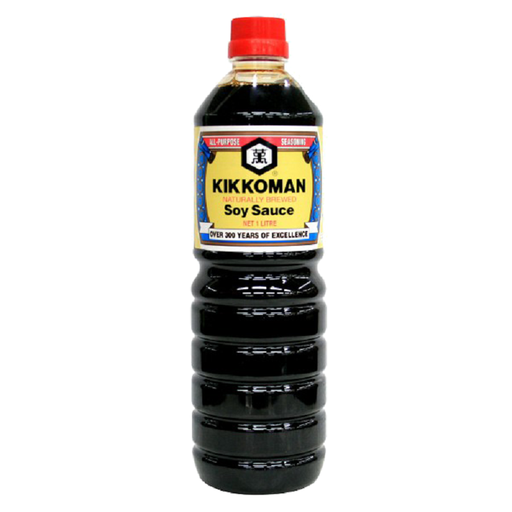
Why This Fits Their Persona: This is ideal for UK families who cook frequently and want to manage their sodium intake without sacrificing flavour. It's a versatile, all-purpose sauce from a well-regarded brand, perfect for daily meals.
It is a naturally brewed soy sauce, ensuring a complex flavour, and is clearly labelled as "Less Salt," preventing accidental overuse of sodium.
Offers a 43% reduction in salt compared to the brand's regular soy sauce. The 1-litre PET bottle is practical and economical for regular use.

Why This Fits Their Persona: For the home cook dedicated to making authentic Chinese braised dishes like Hong Shao Rou (Red-Braised Pork Belly), a quality dark soy sauce is non-negotiable. This product is specifically for adding colour and depth, not just salt.
This is a dedicated dark soy sauce, preventing the common mistake of using a light soy sauce and wondering why the dish lacks the characteristic rich, dark colour.
It provides a deep caramel colour and a mild, slightly sweet flavour. It is less salty than light soy sauce, allowing for better control over the final seasoning of a dish.
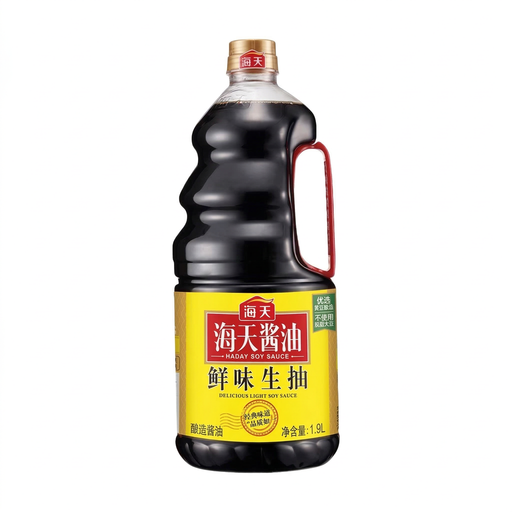
Why This Fits Their Persona: For households or food enthusiasts who use soy sauce almost daily, this large 1.9-litre bottle offers great value. It's a versatile, all-purpose light soy sauce that serves as a reliable workhorse for countless recipes.
This is a classic light soy sauce, perfect for seasoning without overpowering. Its quality brewing provides a balanced flavour, avoiding the harshness of cheaper, chemically produced alternatives.
The large, economical 1.9-litre size is ideal for frequent cooks, restaurants or caterers. It delivers a rich umami flavour suitable for marinating, stir-frying and dipping.
We have compiled a complete, real-time list of products that fully satisfy these strict selection criteria and UK safety regulations.
1. Can I use light and dark soy sauce interchangeably? It is not recommended. Light soy sauce is primarily for adding salty, umami flavour. Dark soy sauce is less salty and is used mainly to add a deep, caramel colour to dishes. Using one in place of the other will significantly alter the taste and appearance of your final dish. It is a good idea to have both in your pantry if you cook a variety of Asian dishes.
2. Does soy sauce need to be refrigerated after opening? Yes. Once opened, soy sauce should be stored in the refrigerator with the cap tightly sealed. While its high salt content prevents it from spoiling quickly, refrigeration helps to preserve its flavour and aroma, which can degrade over time when exposed to air and warmer temperatures.
3. What is the difference between Chinese and Japanese soy sauce? While both are fundamental Asian condiments, there are general differences. Chinese soy sauce is often brewed with a higher ratio of soybeans to wheat, giving it a saltier, more savoury and sometimes more assertive flavour profile. Japanese soy sauce (shoyu) typically uses a ratio closer to 50:50 soybeans and wheat, which results in a slightly sweeter, more aromatic and more nuanced flavour. Both are excellent, but they can lend different characteristics to a dish.