
24/7 Customer Support

Free returns

Same-day & Next-day Delivery

Quality Guaranteed

Unlock Your Welcome Offers: FREE Delivery | Up to 80% OFF | Free 30-day JoyPlus trial
Download the APP
From a comforting weeknight meal to the foundation of a dinner party dish, spaghetti is a staple in almost every UK kitchen. Yet, navigating the supermarket aisle can be surprisingly tricky. With so many options, it's easy to fall into common traps that lead to disappointing meals and wasted money. As a Joybuy Product Recommendation Officer, my role is to help you see past the marketing jargon and make informed choices for your pantry.
Before you add another pack to your basket, let's look at the frequent missteps shoppers make and how to sidestep them.
To ensure you get the right product every time, focus on these key parameters. They are the difference between a satisfying meal and a culinary letdown.
The Ingredient List: The Importance of Durum Wheat The gold standard for quality dried spaghetti is 100% Durum Wheat Semolina. This hard wheat variety is high in protein, which helps the pasta maintain its shape and achieve that desirable 'al dente' (to the tooth) texture when cooked. Pasta made from softer wheat flours is more likely to become sticky or fall apart in boiling water. Always check the ingredients; the best options are often the simplest, containing just durum wheat and water.
Format & Function: Dried, Tinned or a Complete Meal? The right format depends entirely on your needs.
Pack Size and Dietary Needs For families or anyone who enjoys pasta more than once a week, a spaghetti multipack offers significant savings and ensures your pantry is always stocked. At the same time, catering to dietary requirements is crucial. Look for clearly labelled gluten-free spaghetti, which is typically made from a blend of corn, rice and quinoa flours, offering a satisfying alternative for those with coeliac disease or gluten sensitivity.
Here are a few selections that align with different household needs, helping you avoid the common pitfalls.
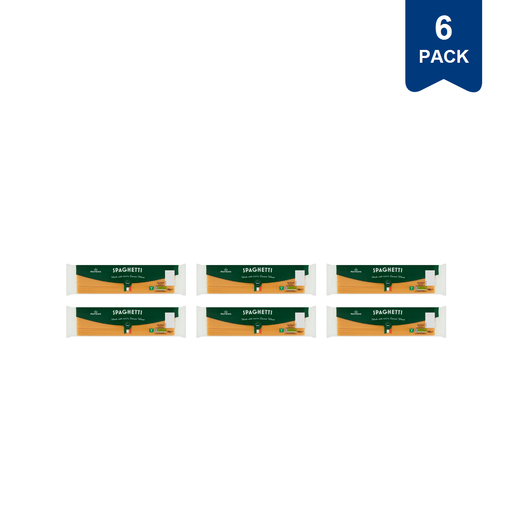
Why This Fits Their Persona: This multipack is ideal for families who rely on pasta for regular meals. It provides excellent value and ensures the pantry is always ready for a quick and satisfying dinner, from batch-cooked bolognese to simple pasta salads.
It directly counters the pitfall of paying more for single packs. Buying in bulk is a smart, cost-effective strategy for any household that consumes pasta frequently.
Made in Italy from 100% Durum Wheat, it delivers on quality and texture, not just quantity. It cooks to a perfect 'al dente' bite in 10 minutes.
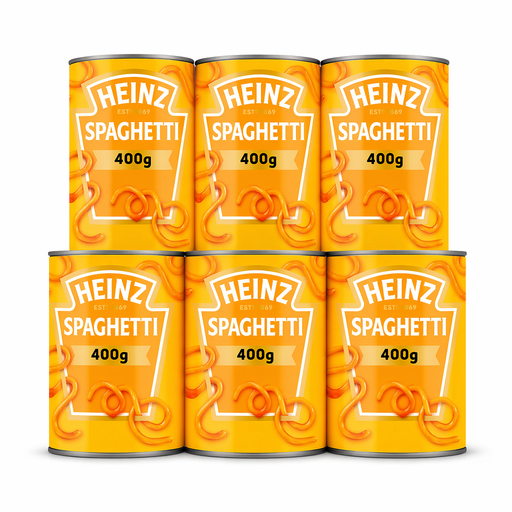
Why This Fits Their Persona: For busy professionals, students or anyone needing a meal in minutes, this tinned spaghetti is a reliable cupboard hero. It's the definition of a quick, warming and nostalgic comfort food.
It embraces its identity as a convenience food, delivering exactly what it promises: a fast and simple meal. This avoids the disappointment of using a low-quality dried pasta for a from-scratch dish.
It's low in fat and half a can contributes to one of your 5 a day. It contains no artificial colours, flavours or preservatives, making it a straightforward choice.
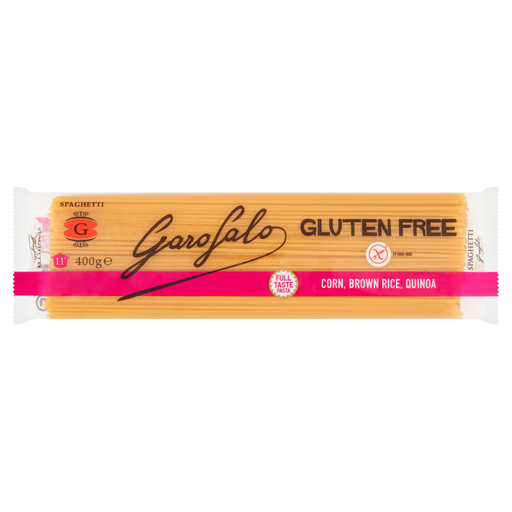
Why This Fits Their Persona: This is for the home cook who needs a reliable gluten-free option without sacrificing the authentic pasta experience. It's perfect for households with coeliacs or those choosing to reduce their gluten intake.
It solves the dietary mismatch pitfall head-on. As a certified gluten-free product, it provides the assurance needed for safe and inclusive meal preparation.
It uses a thoughtful blend of corn, brown rice and quinoa flours. This formulation is specifically designed to achieve a texture and taste that closely resembles traditional durum wheat pasta.
We have compiled a complete, real-time list of products that fully satisfy these strict selection criteria and UK safety regulations.
1. How much dried spaghetti should I cook per person? A widely accepted serving size for an adult main course is approximately 75g of dried spaghetti per person. Some brands and recipes may suggest up to 100g for a more substantial portion. It's always a good idea to check the cooking guidelines on the packaging, as they are tailored to that specific product.
2. What does 'al dente' mean and why is it important? 'Al dente' is an Italian term that translates to 'to the tooth'. It describes pasta that is cooked until it is firm but not hard or chalky in the centre. Achieving this texture is important because it prevents the pasta from becoming mushy and allows it to better absorb and hold onto your sauce, resulting in a more flavoursome and satisfying dish.
3. Can I give regular tinned or dried spaghetti to my baby? It is generally not recommended to give standard adult spaghetti to babies. Regular dried and tinned spaghetti products often contain levels of salt and sometimes sugar that are not suitable for infants. Furthermore, the texture may not be appropriate for their stage of development. It is always safer to choose specially formulated baby spaghetti meals, which are made with no added salt or sugar and have textures designed for weaning.