
24/7 Customer Support

Free returns

Same-day & Next-day Delivery

Quality Guaranteed

Unlock Your Welcome Offers: FREE Delivery | Up to 80% OFF | Free 30-day JoyPlus trial
Download the APP
Navigating the world of sparkling wine can feel complex. With so many options available, from Spanish Cava to Italian Prosecco and classic French Champagne, finding the right bottle for your occasion and budget can be a challenge. Whether you are planning a grand celebration, hosting a casual get-together or simply looking for a delightful aperitif, this guide is here to help. We will walk you through the key differences and offer some practical advice to help you buy sparkling wine online with confidence.
Before exploring our recommendations, understanding a few key details can make your selection process much simpler. Here are a few points to consider.
While all three are famous types of sparkling wine, their origins and production methods create distinct characteristics.
The term you will most frequently encounter is Brut, which simply indicates a dry style of sparkling wine. Most Champagne, Cava and Prosecco you find will be a brut wine, making it a versatile choice that is not overly sweet. This style is perfect as an aperitif or for pairing with a wide range of foods. If you see "Extra Dry" on a Prosecco label, it is, confusingly, slightly sweeter than Brut.
As a Joybuy Product Recommendation Officer, my role is to highlight products that offer great character and value. Here are three distinct options to suit different tastes and occasions.
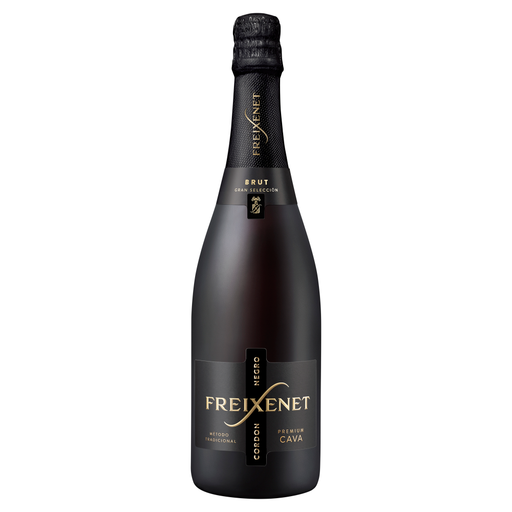
Why It Stands Out This iconic Cava is crafted using the same traditional bottle-fermentation method as Champagne. It is aged for 9-12 months in Freixenet’s cellars in Sant Sadurní d’Anoia, Spain. The distinctive black bottle protects the wine from light, preserving its fresh and delicate character.
Pros
Who is it for? Ideal for those hosting a party or looking for a reliable and refreshing dry sparkling wine for everyday celebrations. It is a dependable choice for anyone who appreciates the complexity of a traditional-method fizz without the Champagne price tag.
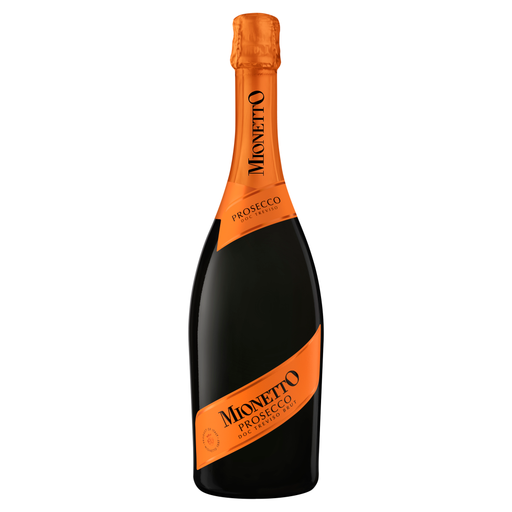
Why It Stands Out Mionetto is a hallmark of quality Prosecco from the heart of the DOC-certified Treviso area in Italy. Made from Glera grapes, it embodies the light, aromatic and fruit-forward style that has made Prosecco a global favourite. Its fine, persistent bubbles and clean finish make it exceptionally easy to drink.
Pros
Who is it for? This is for the fan of classic Italian Prosecco. If you are seeking a light, fruity and refreshing sparkling wine to serve before dinner or for a relaxed weekend brunch, Mionetto is an excellent choice.
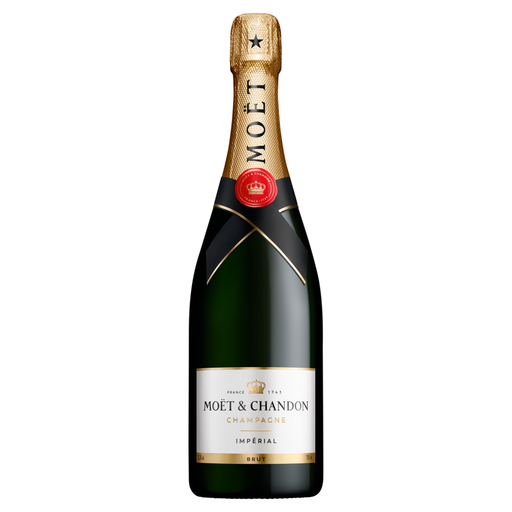
Why It Stands Out As the flagship of the Mo?t & Chandon house, Brut Impérial is one of the world's most recognised Champagnes. It is a harmonious blend of three grape varietals—Pinot Noir, Pinot Meunier and Chardonnay—creating a perfect balance of fruitiness, freshness and maturity. It is the definition of a celebration wine.
Pros
Who is it for? This Champagne is for marking significant milestones—anniversaries, promotions, weddings or as a distinguished gift. It is for those moments when only a true classic will do.
Our recommendations cover three of the most popular styles, but the world of bubbly is vast. If you are looking for a different producer or a specific style not featured here, there are many more to discover.
Explore our full range of dry sparkling wine to find the perfect bottle for any occasion.
1. What is the main difference between Champagne and Prosecco? The primary differences are origin, grape variety and production method. Champagne comes from the Champagne region of France and is made with a secondary fermentation in the bottle, giving it complex, yeasty notes. Prosecco is from Italy, made primarily from Glera grapes, and typically undergoes its second fermentation in large tanks, which results in a fresher, fruitier and more aromatic profile.
2. Is Cava a good alternative to Champagne? Yes, Cava is often considered an excellent alternative. It is made using the same traditional method as Champagne, which gives it a similar complexity and fine bubbles. However, it is made with different, Spanish grape varieties and is usually much more affordable, offering fantastic value for its quality.
3. How should I serve sparkling wine? For the best experience, sparkling wine should be served well-chilled, ideally between 6-8°C. This keeps the bubbles fine and the flavours crisp. Store the bottle in the refrigerator for a few hours before serving. Use a tall, slender flute or a tulip-shaped glass to preserve the effervescence and concentrate its aromas. When opening, point the bottle away from yourself and others and twist the bottle—not the cork—to release it gently.