
24/7 Customer Support

Free returns

Same-day & Next-day Delivery

Quality Guaranteed

Unlock Your Welcome Offers: FREE Delivery | Up to 80% OFF | Free 30-day JoyPlus trial
Download the APP
From the daily washing up to tackling stubborn, burnt-on food, the humble sponge scourer is a cornerstone of a clean kitchen. Yet, with so many options available, choosing the right one can feel surprisingly complicated. Using the wrong type can lead to scratched pans, ineffective cleaning or unnecessary waste.
This guide is designed to help you navigate the choices. We will break down the different types of sponge scourers, explain what to look for based on your cleaning needs and share some of our top recommendations to help you keep your home sparkling.
Before you add a pack to your basket, consider these key points. Matching the sponge to your specific tasks will save you time, effort and protect your cookware.
The most important factor is the material of the scouring pad. A heavy duty scourer, often green, is highly abrasive and effective on tough grime, baked-on food on grills or un-coated metal pots. However, it will permanently scratch delicate surfaces. For everyday cleaning, especially for coated cookware, a non-scratch scourer is essential. These are typically made from softer fibres or specially designed polymers that lift dirt without causing damage, making them a good choice for non-stick pans.
Most common kitchen sponges are dual-sided, featuring a soft, absorbent sponge on one side for wiping spills and applying soap and a scouring pad on the other for scrubbing. This design is versatile for general washing up. For specific challenges, you might need a specialised tool. For instance, a magic eraser sponge, made from melamine foam, works on a micro-abrasive level to lift stubborn marks like crayon from walls or scuffs from floors, often with just water.
For those looking to reduce their environmental impact, an eco-friendly sponge is an excellent choice. Look for options made from natural or recycled materials. A biodegradable sponge, often made from plant-based cellulose, will break down naturally after disposal. Some products also focus on reducing packaging waste or are designed to be durable and long-lasting, which also contributes to a more sustainable cleaning routine.
Here are four different types of sponge scourers, each suited to different household needs and preferences.
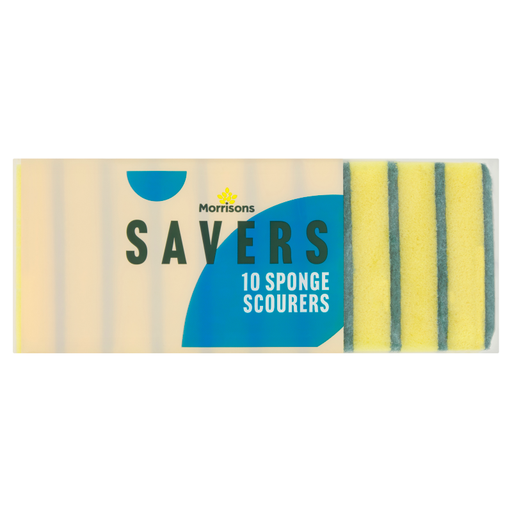
Why It Stands Out: This is a straightforward, no-frills option that delivers on value. The pack of 10 ensures you always have a fresh sponge on hand for daily cleaning tasks around the kitchen and home. The dual-purpose design combines a standard absorbent sponge with a traditional green scourer for general-purpose scrubbing.
Pros:
Who is it for? Budget-conscious households, students or anyone needing a bulk supply of reliable sponges for everyday messes. Note the scourer is abrasive and not intended for non-stick or delicate surfaces.
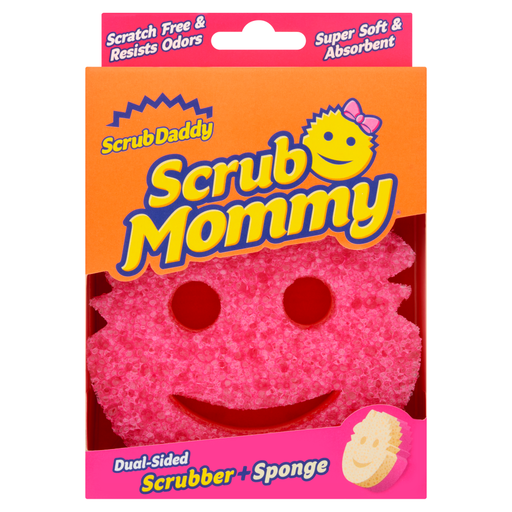
Why It Stands Out: The Scrub Mommy offers a unique approach to cleaning with its two distinct sides. The FlexTexture side becomes firm in cold water for tough scrubbing and soft in warm water for light cleaning. The ResoFoam side is highly absorbent and helps generate a rich lather. According to the manufacturer, it is scratch-resistant on over 20 common household surfaces.
Pros:
Who is it for? Those who want a versatile, high-performance kitchen sponge that can handle everything from delicate glassware to grimy hobs without needing to switch tools.
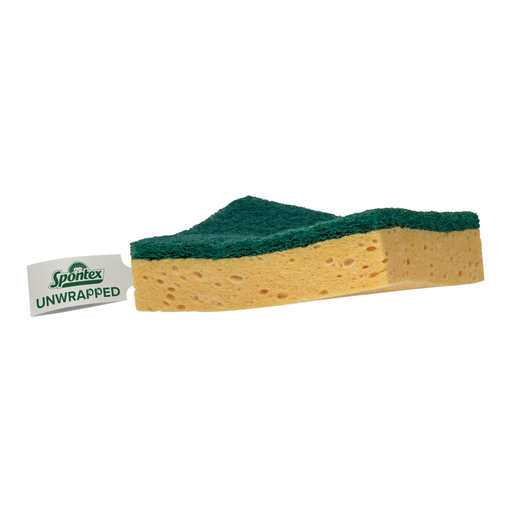
Why It Stands Out: This scourer is a strong contender for the environmentally conscious. It comes with zero plastic packaging and the sponge itself is made from 100% biodegradable plant-based cellulose. The scouring side is made from 100% recycled fibres. It remains a powerful cleaning tool, with an ultra-absorbent sponge and a tough, effective scourer.
Pros:
Who is it for? Environmentally aware consumers looking to reduce their household waste without compromising on cleaning performance.
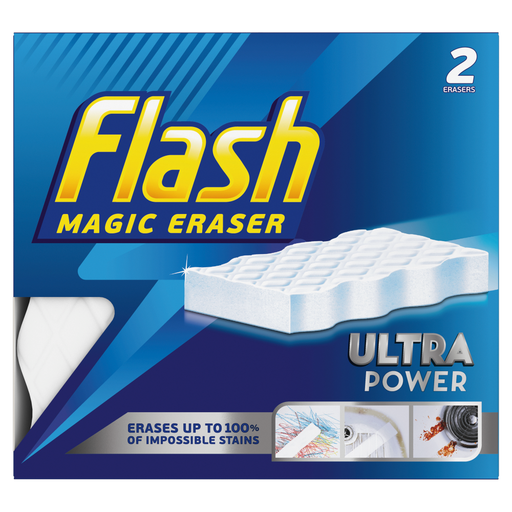
Why It Stands Out: The Flash Magic Eraser is not a traditional washing up sponge; it's a specialist stain remover. Made of melamine foam, it works like an ultra-fine sandpaper to lift away stubborn marks that other cleaners can't handle. It’s activated with just water and is highly effective on crayon marks, scuffs on skirting boards and burnt-on grease on hobs.
Pros:
Who is it for? Anyone dealing with stubborn, set-in stains around the home that traditional sponges and sprays can't shift. It's a problem-solver for deep cleaning tasks.
If you haven't found the perfect match for your cleaning cupboard or if you're looking for other specialised cleaning tools, there are many more options to discover.
? Explore our full range of scrubbing scourer sponges at Joybuy
1. How often should you change a kitchen sponge? For hygiene reasons, it's a good practice to replace your main washing up sponge every one to two weeks, depending on usage. Rinsing it thoroughly and allowing it to dry completely between uses can help prolong its life and keep it cleaner. Some sponges can also be sanitised in the dishwasher or microwave, but always check the manufacturer's instructions first.
2. Can you use a scourer on non-stick pans? You should never use a traditional green, heavy-duty scourer on non-stick pans, as it will strip the coating. To clean non-stick cookware safely, always use a designated non-scratch scourer. Products like the Scrub Mommy or sponges with softer, plastic-based scouring surfaces are specifically designed for this purpose.
3. What is the difference between a sponge scourer and a magic eraser? A standard sponge scourer combines an absorbent sponge with a fibrous pad for scrubbing away food and grease, typically with washing-up liquid. A magic eraser sponge is made from a different material (melamine foam) and works by physically abrading stains on a microscopic level. It's used with water alone and is best for removing marks and stains from hard surfaces, rather than for washing dishes.