
24/7 Customer Support

Free returns

Same-day & Next-day Delivery

Quality Guaranteed

Unlock Your Welcome Offers: FREE Delivery | Up to 80% OFF | Free 30-day JoyPlus trial
Download the APP
From a simple slice of toast in the morning to an elaborate dessert, the right spread can make all the difference. Yet, the sheer variety of jams, spreads and nut butters available can be overwhelming. Navigating the claims on the labels to find a product that genuinely suits your needs can feel like a chore. Many of us have bought a jar that ends up gathering dust in the pantry after just one use.
As a Joybuy Product Recommendation Officer, my role is to help you see past the marketing jargon. Before you add another jar to your basket, let's look at a few common pitfalls that lead to disappointing purchases and wasted money.
healthy breakfast spreads can be misleading. A spread might be promoted for its protein content, but a quick look at the ingredients reveals it is also laden with sugar or palm oil.gourmet jams are made with exceptional ingredients, others are standard products in premium packaging. It is important to know what you are actually paying for.Chinese sesame paste or kaya coconut jam. However, without understanding their intended use—whether as toast toppings or as an ingredient in savoury dishes—they can end up unused.To ensure you are happy with your purchase, focus on a few key details that reveal a product's true quality and purpose.
The ingredients list is your most reliable source of information. In the UK, ingredients must be listed in order of weight.
nut butters UK brands add sugar, salt and oils (most commonly palm oil) to alter the taste and texture. A shorter ingredients list often points to a more natural product.Chinese sesame paste made from 100% sesame will have a very different flavour profile and use case than one blended with peanuts or other additives.Not all spreads are created equal. A thick, rich caramel sauce is perfect for pancake spreads, while a lighter jam is better suited for a delicate scone.
artisan caramel sauce can be a key component in a traybake or cheesecake.kaya coconut jam offer a taste of Southeast Asian breakfast culture, traditionally served on toast with butter (Kaya Toast). Understanding this context helps you enjoy the product as intended.Here are a few recommendations from our catalogue, matched to different needs and preferences to help you make a more informed choice.
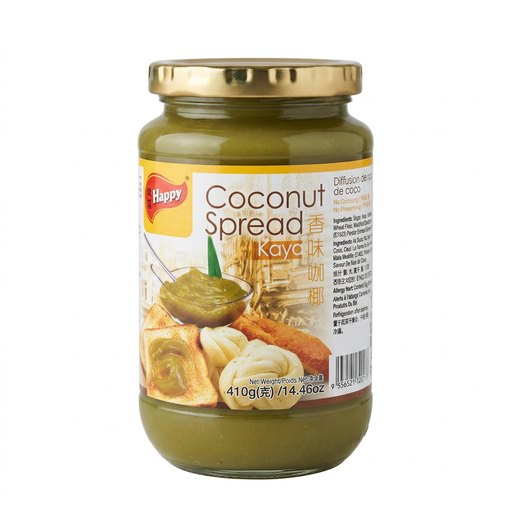
Why This Fits Their Persona: For those looking to explore authentic Southeast Asian flavours, this kaya is a perfect starting point. It introduces a unique taste profile that is both sweet and fragrant, ideal for recreating the classic Malaysian breakfast of kaya toast or for experimenting with desserts.
This avoids the "niche product mismatch" by being surprisingly versatile. While its primary use is on toast, it can also be used as a filling for pastries, a topping for pancakes or a flavouring for cakes.
Features a distinct, aromatic pandan and coconut flavour. It provides an authentic taste of a traditional Southeast Asian breakfast staple.
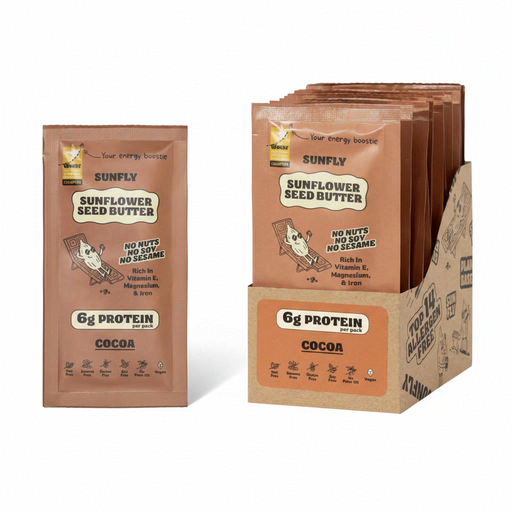
Why This Fits Their Persona: This is an excellent choice for anyone seeking a plant-based, nut-free spread. The individual sachets are perfect for portion control, packed lunches or a post-gym snack. It provides plant protein and healthy fats without common allergens.
It sidesteps the "healthy label trap" by being transparent. It is free from palm oil and dairy, and the ingredient list is straightforward. The chocolate flavour comes with less sugar than many mainstream chocolate spreads.
Completely nut-free, making it suitable for schools with allergen policies. The convenient 32g sachets are ideal for on-the-go consumption.
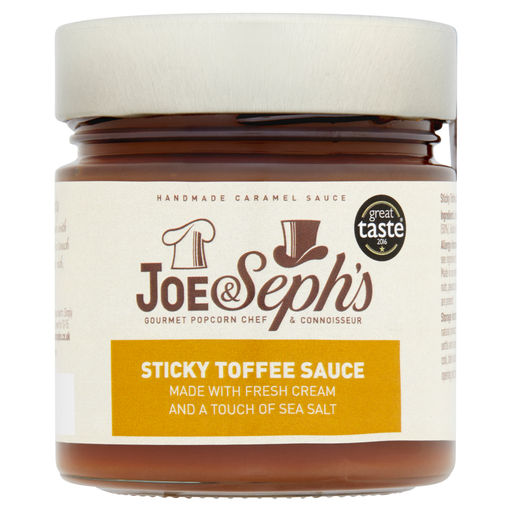
Why This Fits Their Persona: When only a true gourmet treat will do, this sauce delivers. It is perfect for drizzling over ice cream, topping cheesecakes or creating luxurious pancake stacks. It is for someone who appreciates high-quality ingredients and a rich, decadent flavour.
This product justifies its "artisan" positioning. The first ingredient is fresh double cream (50%), not sugar or syrup. This commitment to quality ingredients results in a genuinely superior taste and texture that mass-produced sauces cannot replicate.
Handmade with fresh double cream and a touch of sea salt for a rich, complex flavour. It is also gluten-free and contains no artificial flavours, colours or preservatives.
We have compiled a complete, real-time list of products that fully satisfy these strict selection criteria and UK safety regulations.
A good indicator of quality is the fruit content. In the UK, a product must contain a minimum of 35g of fruit per 100g to be called "jam," and 45g per 100g for "extra jam." Look for products that list a high percentage of fruit, ideally over 50%, and where fruit is the first ingredient on the list, not sugar.
This is a common point of confusion. While both are made from sesame seeds, they are processed differently. Tahini, common in Middle Eastern and Mediterranean cuisine, is typically made from raw or lightly toasted hulled sesame seeds, giving it a milder, thinner consistency. Chinese sesame paste is made from deeply toasted, often unhulled, sesame seeds, resulting in a much darker colour, thicker texture and a more intense, nutty and slightly bitter flavour. It is primarily used as a flavouring agent in sauces and noodles rather than as a dip on its own.
Most commercially produced nut butters are shelf-stable and can be stored in a cool, dry pantry. Natural nut butters, which do not contain stabilisers like palm oil, will often experience oil separation. This is normal; simply stir the oil back into the butter before use. While you can refrigerate them to slow this process, it will make the butter harder and more difficult to spread. Always check the "best before" date, and once opened, consume within a few months. Discard any nut butter that develops an "off" smell, a mouldy appearance or a very hard, dry texture.