
24/7 全天候客户支持

免费退货

当日/次日达

品质保障

开启新人专享福利: 全场免邮 | 低至 2 折 | 免费试用 30 天 JoyPlus 会员
下载 Joybuy
Tired of plastic containers that stain, warp or retain odours? Many of us are seeking more durable, sustainable and health-conscious ways to store our food. Whether you're a dedicated meal prepper, a parent packing school lunches or simply looking to organise your fridge, making the switch to stainless steel food containers can be a significant upgrade.
This guide is designed to help you navigate the options. We'll explore the key features to look for when choosing metal food storage containers and highlight a few of our top recommendations to help you find a practical solution for your daily needs.
Before you decide, it's helpful to understand a few key differences that can impact performance and longevity. Considering these points will ensure you select a container that truly fits your lifestyle.
Not all stainless steel is created equal. You will commonly see two types used for food containers:
For anyone taking their lunch to work or on the go, a secure lid is non-negotiable. Look for leakproof meal prep containers that feature a silicone seal integrated into the lid. This creates an airtight barrier that not only prevents spills but also helps to keep food fresher for longer. A reliable seal is essential for transporting soups, stews or yoghurts with confidence.
Your choice here depends entirely on how you plan to use the container:
Here are a few standout options that cater to different needs, from versatile sets for home storage to insulated jars for meals on the move.

Why It Stands Out: This set’s primary advantage is its construction from 316 stainless steel. This premium material offers superior resistance to corrosion, making it an excellent choice for storing a wide variety of foods without worrying about staining or metallic tastes. The inclusion of three different sizes (600ml, 1100ml and 2200ml) provides great versatility.
Pros:
Who is it for? This set is ideal for health-conscious individuals and families who want a long-lasting, high-quality solution for storing all types of food, including acidic or salty dishes.
View Product Details on Joybuy.co.uk
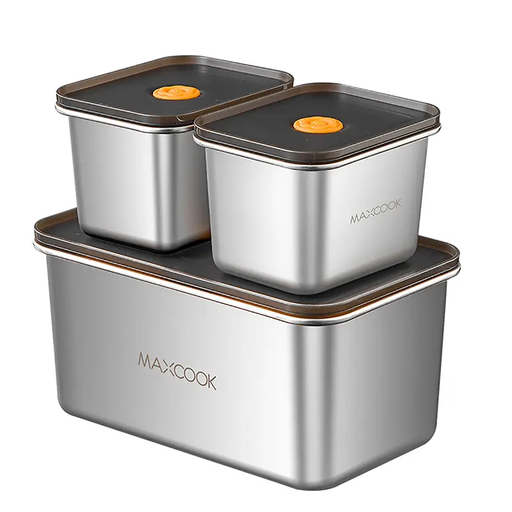
Why It Stands Out: This set focuses on practicality and efficient organisation. Made from durable 304 stainless steel, these containers are designed to be stacked, saving valuable space in your fridge or cupboards. The secure lids make them a reliable choice for everyday meal prep and storage.
Pros:
Who is it for? Perfect for meal preppers and anyone looking to bring order to their refrigerator. Its stackable nature makes it a space-saving workhorse for daily food storage.
View Product Details on Joybuy.co.uk

Why It Stands Out: This is more than just a container; it's a complete meal-on-the-go system. The vacuum-insulated jar, made from premium 316 stainless steel, is designed to keep food hot or cold for hours. The wide mouth makes it easy to fill, eat from and clean, and the included insulated lunch bag adds another layer of convenience and temperature retention.
Pros:
Who is it for? An excellent choice for professionals, students or anyone who wants a warm, home-cooked meal away from home. It's particularly useful for soups, stews, curries or chilled pasta salads.
View Product Details on Joybuy.co.uk
If these specific models aren't quite what you're looking for, there is a wider world of stainless steel solutions available. From different sizes to unique shapes, you can find the perfect container to match your kitchen and lifestyle.
Explore our full collection of Stainless Steel Organisers to find your ideal match.
1. Are stainless steel food containers a safe option? Yes, food-grade stainless steel (like 304 and 316) is widely considered one of the safest materials for food contact. It is stable, non-reactive and does not leach chemicals into your food, making it an excellent choice for non-toxic food containers. It's also naturally resistant to bacteria, stains and odours.
2. Can you put stainless steel containers in the microwave? No. You must never put any metal, including stainless steel food containers, in a microwave oven. It is a serious fire hazard and can permanently damage your appliance. If you need to reheat food, transfer it to a microwave-safe dish first.