
24/7 Customer Support

Free returns

Same-day & Next-day Delivery

Quality Guaranteed

Unlock Your Welcome Offers: FREE Delivery | Up to 80% OFF | Free 30-day JoyPlus trial
Download the APP
From rinsing quinoa to dusting a Victoria sponge with icing sugar, the humble kitchen sieve is a true unsung hero. Yet, many of us have put up with flimsy plastic models that warp in the dishwasher or metal ones that rust and trap food particles. A quality stainless steel sieve is a simple upgrade that can make a surprising difference to your daily cooking and baking, offering durability, hygiene and performance that lasts.
Navigating the options can be tricky, with different sizes, mesh types and designs available. As the Joybuy Product Recommendation Officer, my role is to help you find practical tools that genuinely improve your time in the kitchen. This guide will walk you through what to look for in a kitchen sieve and highlight a few standout options to suit various needs.
Choosing the right food strainer comes down to a few key considerations. Keeping these points in mind will help you select a tool that you'll reach for time and time again.
While plastic sieves are inexpensive, they can stain, retain odours and degrade over time. Stainless steel is a superior material for kitchen utensils due to its strength and non-porous nature. It resists rust, won't warp under heat and is easy to clean, making it a more hygienic and long-lasting choice. Look for food-grade stainless steel for peace of mind.
The mesh is the business end of the sieve. A fine mesh strainer is essential for tasks like creating smooth sauces, brewing loose-leaf tea or using it as a flour sifter to get light, airy results in your baking. A coarser mesh, often found in a colander, is better suited for draining pasta or washing large vegetables. The diameter of the sieve also matters:
Practical design features can make a sieve much easier to use. A long handle provides a secure grip and keeps your hands away from hot liquids. Many sieves also feature a small hook or a flat rest on the opposite side of the handle, allowing you to balance the sieve securely over a bowl or pan for hands-free straining. Finally, check if the product is dishwasher safe for effortless cleanup.
Based on functionality, materials and user-centric design, here are our recommendations for a reliable stainless steel sieve.
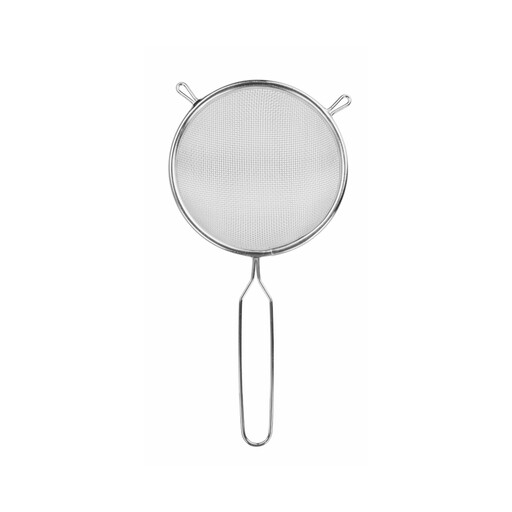
Why It Stands Out: This sieve from Chef Aid is the definition of a kitchen workhorse. It focuses on simple, reliable functionality for a wide range of everyday tasks. Its 16cm diameter is a practical size for most households, and the fine mesh is effective for everything from washing rice to draining tinned chickpeas. The inclusion of a built-in bowl rest is a thoughtful touch that adds stability during use.
Pros:
Who is it for?: Anyone seeking a dependable, all-purpose food strainer for general kitchen duties without needing specialised features. It's an excellent first sieve or a replacement for an old, worn-out one.
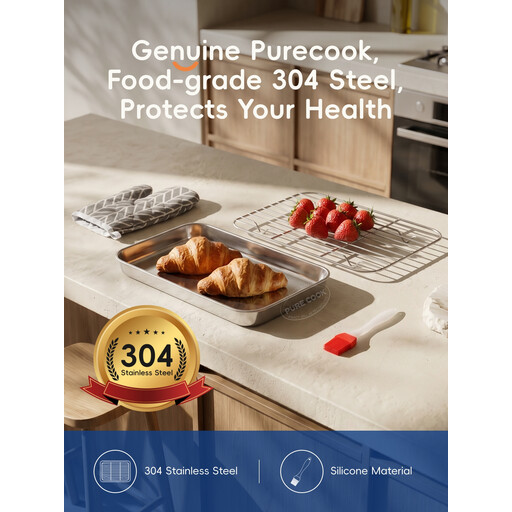
Why It Stands Out: This PURECOOK set offers a different approach, combining a rectangular wire rack with a drip tray. While not a traditional handheld sieve, its perforated mesh rack is brilliant for draining oil from fried foods or allowing washed salad leaves to dry. It’s crafted from high-quality 304 stainless steel, known for its excellent corrosion resistance. The set's versatility extends to baking, where the rack can be used for cooling cakes or roasting meats.
Pros:
Who is it for?: Home bakers and cooks who appreciate multi-purpose tools. It's a great choice if you do a lot of baking, frying or roasting and need a flat surface for draining and cooling.
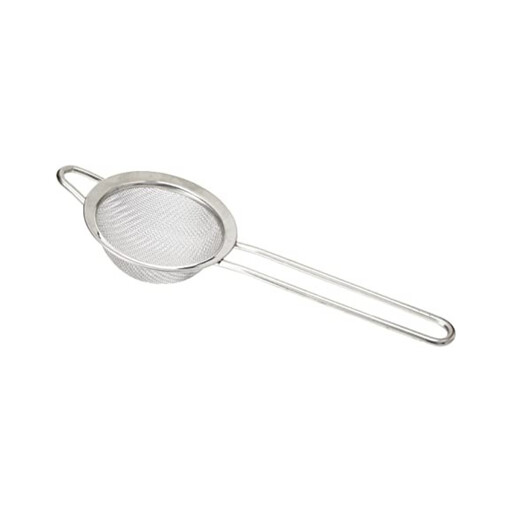
Why It Stands Out: This compact sieve from Tala proves that great tools can come in small packages. Its 8cm diameter is perfectly suited for small-scale, precision tasks where a larger sieve would be clumsy. The very fine mesh makes it an excellent tea strainer for loose-leaf brews or a handy duster for adding a professional finish of cocoa or icing sugar to desserts and drinks.
Pros:
Who is it for?: Avid tea drinkers, bakers who enjoy decorating or anyone who frequently works with small quantities and needs a dedicated tool for the job. It’s a perfect addition to a well-stocked utensil drawer.
Our recommendations cover a range of common kitchen needs, but the world of kitchen strainers is vast. If you're looking for a different size, a specific mesh type or a full set of sieves, we have more to explore.
Browse our complete collection of mesh tools to find the perfect fit for your culinary adventures.
The main difference lies in the size of the holes. A sieve, also known as a fine mesh strainer, has a tightly woven wire mesh designed to separate very small particles, making it ideal for sifting flour or straining liquids. A colander has much larger, punched holes and is used for draining bigger items like cooked pasta or washed vegetables, where fine filtration isn't needed.
In most cases, yes. High-quality stainless steel is generally dishwasher safe, which makes for easy cleaning. However, it is always a good practice to check the manufacturer's care instructions. Some models, particularly those with wooden handles or a tinned coating, may be better suited to handwashing to ensure their longevity.
Consider the tasks you perform most often. A small sieve (7-10cm) is great for single servings or decorating. A medium one (14-18cm) is a versatile choice for everyday rinsing and straining. A large sieve (20cm+) is best for bulk draining. Many home cooks find that having a set of three different sizes covers nearly all their needs.