Single-tray picnic bakers
If you make oat bars occasionally, a manageable bowl and a mixer you can store and bring out easily may matter more than capacity for several batches.


For an occasional single tray of oat bars, start with a smaller stand mixer that has a suitable mixing beater and enough stated capacity for your recipe; a larger bowl is more useful if you regularly double batches or prepare several picnic foods. Check the exact model’s tools, capacity guidance, footprint and cleaning instructions before buying: bowl volume alone does not establish how much oat-bar mixture it can handle.
If you make oat bars occasionally, a manageable bowl and a mixer you can store and bring out easily may matter more than capacity for several batches.
If you double recipes or prepare several foods for the same picnic, compare each mixer’s stated food capacities with the quantities you plan to make. A larger machine also needs more space.
If you want to use the mixer for other food preparation later, check which attachments fit the exact model and which come in the box. Optional tools may need to be bought separately.
Start with the tool and recipe quantity, then decide how much space and cleaning effort you can accommodate.
| Concern | What to check | Who this matters to |
|---|---|---|
| Sticky-mixture handling | Confirm the supplied paddle or K-beater, low-speed controls and access for scraping down the bowl. | If my oat mixture is sticky, I want a suitable tool and room to scrape ingredients back into the mix. Around 40% of consumers put mixture handling first. |
| Batch capacity | Compare your recipe quantity with the exact model’s stated food-capacity guidance, not just its bowl volume. | When I prepare bars for a larger group, I need enough room for the batch without exceeding the mixer’s guidance; around 30% of consumers make capacity their primary concern. |
| Kitchen space | Measure the mixer’s footprint, storage space and clearance needed to open its head; consider its weight if you will move it. | I need to put the mixer away after baking and lift it out again without difficulty. For around 20% of consumers, storage and handling come first. |
| Cleaning and wider use | Check which parts can go in the dishwasher and whether any desired attachments are included and compatible. | After preparing several picnic foods, I want straightforward cleanup and tools I can use again; roughly 10% of consumers prioritise cleaning and flexibility. |
A power rating does not tell you whether the supplied tool or stated capacity suits your oat-bar recipe.
Check the exact model’s beater, bowl size and manufacturer capacity guidance before comparing power ratings.
Extra capacity may be useful for repeated batches, but a heavier mixer can be awkward to move and a larger one needs adequate counter and storage space.
Measure the intended space, including clearance for opening the mixer, and consider how often you will make more than one tray.
The tools supplied with a mixer can differ from the optional food-preparation attachments shown for its range.
Check the box contents and confirm that each additional attachment fits the exact model.
Optional tools may need separate storage and a model-specific compatibility check.
Fillings or additions that you would normally keep refrigerated still need appropriate cooling at a picnic.
The Food Standards Agency advises keeping foods that would normally be refrigerated cool during a picnic. For recipes with perishable ingredients, plan how you will transport and serve them before you leave.
Kenwood offers smaller Multi Tasker mixers as well as larger Chef XL models.
KitchenAid has tilt-head and bowl-lift designs for shoppers comparing bowl access with their plans for more frequent, heavier use.
Bosch’s Series 2 and Series 6 offer different bowl sizes for shoppers weighing storage against batch size.
These mixers offer smaller-bowl and roomier options to consider for oat-bar preparation. Match your recipe quantity and storage space to the exact model rather than assuming a stated bowl size is an oat-bar capacity.
 No image available
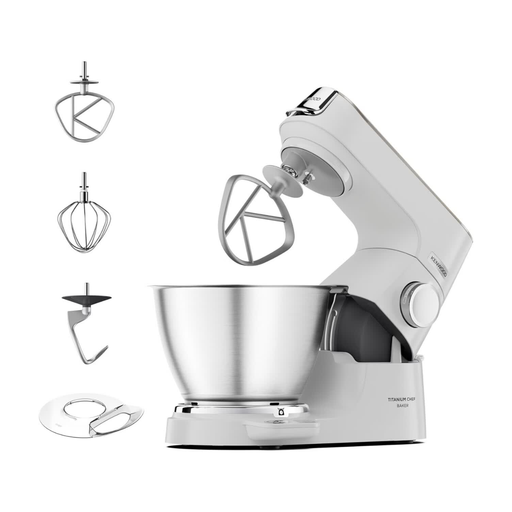
Consider this for an occasional tray when you want a smaller-bowl option. Its product name specifies a 4.3L bowl, 1000W rating and three bowl tools; confirm which tool you will use and check the recipe quantity against the model’s guidance.
 No image available
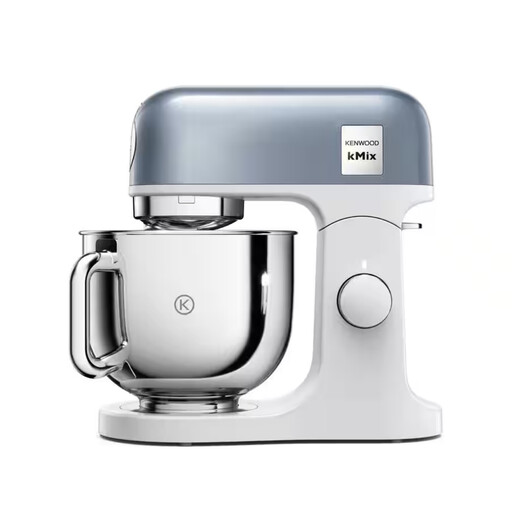
Consider this if bowl access matters while you add ingredients or scrape down a sticky mixture. Check the stated capacity against your recipe and make sure you have a suitable place for a mixer you intend to leave out or move after use.
 No image available
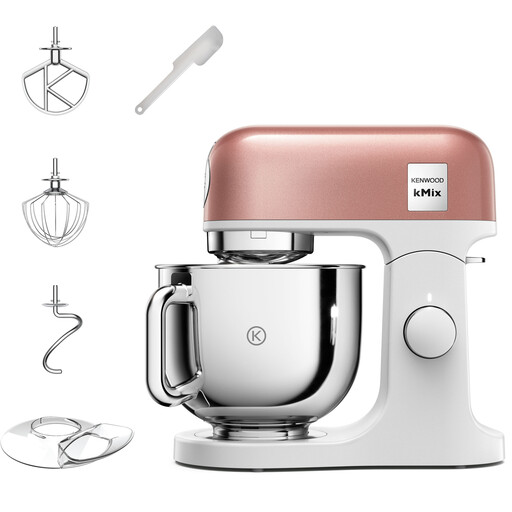
This is an option to compare if you expect to make larger picnic batches. Check the exact recipe-capacity guidance and allow for the mixer’s space and handling needs before choosing it for a single tray.
 No image available
Consider this for an occasional picnic batch if access to the bowl while adding ingredients is important. Confirm that your recipe fits the model’s capacity guidance and check the cleaning instructions for each part you expect to use.
 No image available
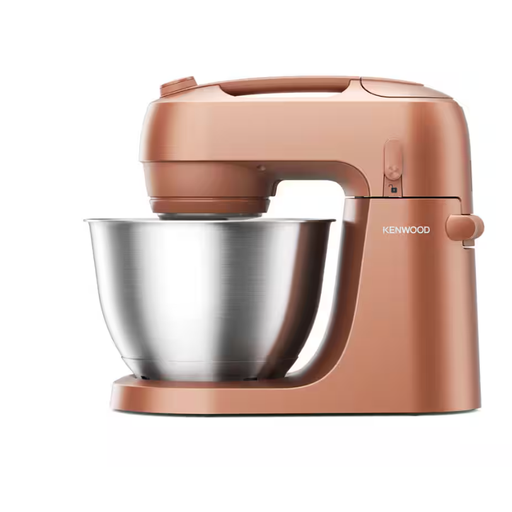
Consider this for occasional oat-bar preparation where storage is a priority. Check that its stated recipe capacity suits your batch, then confirm the space and cleaning requirements for the exact model.
Not necessarily: a smaller mixer can suit one tray if its supplied beater and stated capacity fit your recipe. Consider a larger machine when doubled batches or several picnic foods are a regular part of your preparation, and account for the extra space it needs.
A raised tilt head gives you access to the bowl and beater for adding ingredients and scraping down. KitchenAid describes this access as a feature of its tilt-head design; check how much clearance the particular mixer needs when open.
Follow the instructions for each part of the exact model rather than treating all accessories alike. Kenwood GB lists the bowl and tools of its KHC30.000WH Multi Tasker as dishwasher-safe, while KitchenAid UK specifies different washing instructions for parts of its 5K45SSBBM Classic.
Keep ingredients or prepared foods that you would normally refrigerate cool during transport and at the picnic. The Food Standards Agency advises keeping normally refrigerated picnic foods cool; Food Standards Scotland recommends a cool box or bag with ice or frozen gel packs.