Reducing sugar intake is a common goal for many of us in the UK, whether it's for managing weight, supporting a specific dietary plan like keto or simply making more health-conscious choices. But with so many options on the shelves, finding the right sugar alternative can feel overwhelming.
This guide is designed to cut through the clutter. We will walk you through the key considerations when choosing a sugar substitute and highlight a few practical options for different needs, from your morning coffee to your weekend baking.
How to Choose the Right Sugar Alternative for You
Before you buy, thinking about how you plan to use a sweetener can help you find the perfect fit. Here are a few points to consider.
1. Consider the Format: Tablets, Granules or Liquid?
Sweeteners come in various forms, each suited to different purposes.
- Sweetener tablets are compact and dissolve easily, making them ideal for sweetening hot drinks like tea and coffee, especially when you are out and about.
- A granulated sweetener for baking often provides a texture and volume similar to sugar, which is crucial for achieving the right results in cakes and biscuits.
- A liquid sweetener is highly concentrated and mixes instantly into both hot and cold drinks, smoothies and yoghurts, offering precise control over sweetness.
2. Understand the Type: Stevia, Xylitol and Blends
The source of the sweetness is another key factor. Many popular options are plant-based or derived from natural sources.
- Stevia is a natural sweetener extracted from the leaves of the Stevia rebaudiana plant. It is a popular zero calorie sweetener and is significantly sweeter than sugar, so a little goes a long way.
- Xylitol is a type of sugar alcohol found in many fruits and vegetables. It has a similar sweetness to sugar but with fewer calories. It is a common choice for those on a keto sweetener plan.
- Blends, such as those containing erythritol and sucralose, are formulated to closely mimic the taste and texture of sugar, making them a versatile, all-purpose replacement.
3. Check the Ingredients for Dietary Needs
Always read the label to ensure a product aligns with your dietary requirements. Many sweeteners are vegan and gluten-free, but it is always wise to double-check the ingredients list, especially for bulking agents or added flavourings.
Top Sugar Alternative Recommendations
Here are a few recommendations that cater to a range of different uses and preferences.
Morrisons Stevia Sweetener Tablets 100 Sweeteners
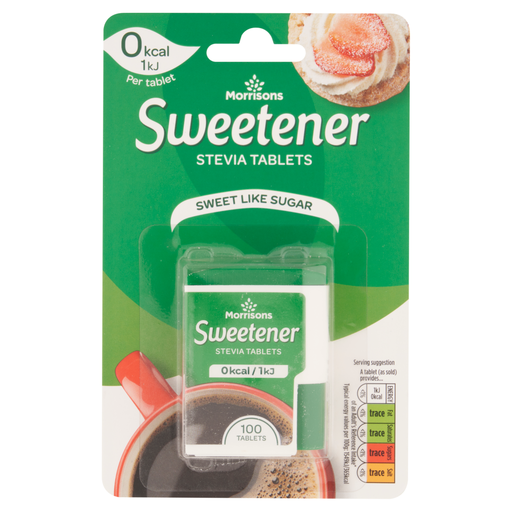
- Why It Stands Out: These tablets offer ultimate convenience. The handy dispenser is perfect for your bag or desk, providing a pre-portioned, zero-calorie way to sweeten drinks without any guesswork.
- Pros:
- Zero calories per tablet.
- One tablet provides sweetness equivalent to one teaspoon of sugar.
- Comes in a portable and easy-to-use dispenser.
- Suitable for vegetarians.
- Who is it for: Anyone looking for a simple and portable sweetener tablet for their daily tea or coffee.
Pure Via 100% Xylitol 225g
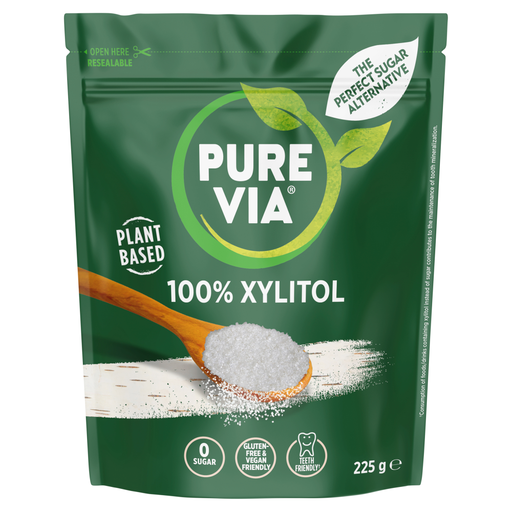
- Why It Stands Out: This granulated xylitol product is designed to be a direct replacement for sugar in cooking and baking. Its crunchy, sugar-like texture makes it a versatile pantry staple.
- Pros:
- Contains 40% fewer calories compared to sugar.
- Plant-based and suitable for vegan, keto and paleo diets.
- Gluten-free with no artificial colours or flavours.
- The brand notes that consumption of foods containing xylitol instead of sugar contributes to the maintenance of tooth mineralisation.
- Who is it for: Home bakers and cooks who need a granulated sweetener for baking that measures and behaves much like sugar. It is also an excellent keto sweetener.
NOW Foods Better Stevia Liquid Sweetener, French Vanilla Flavour - 59ml
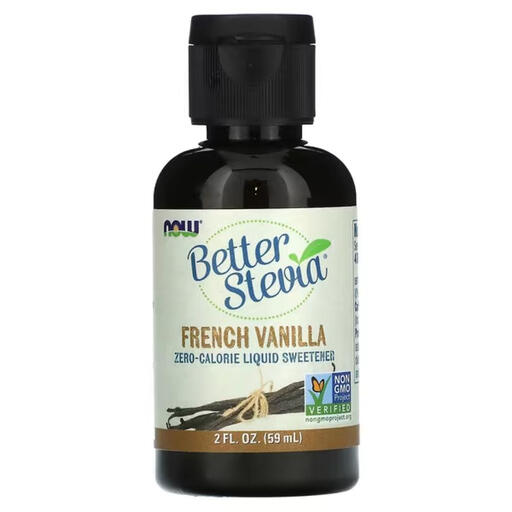
- Why It Stands Out: This liquid sweetener adds more than just sweetness; its natural French vanilla flavour can elevate your drinks and foods. As it is highly concentrated, you only need a few drops.
- Pros:
- Zero calorie and low glycemic.
- Made with certified organic stevia leaf extract.
- Vegan, gluten-free and Non-GMO Project Verified.
- Just 1 to 4 drops are needed to sweeten to taste.
- Who is it for: Those who want to add a touch of vanilla flavour along with sweetness to their coffee, smoothies, protein shakes or plain yoghurt.
Canderel Sugarly Value Pack 370g
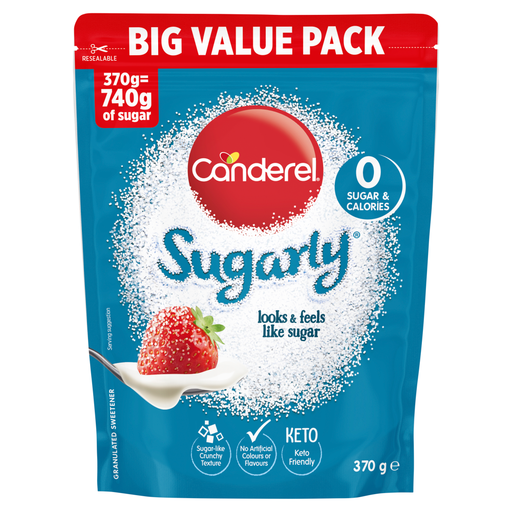
- Why It Stands Out: This granulated sweetener blend is formulated to look, feel and taste very similar to sugar. Its crunchy texture makes it a satisfying all-rounder for sprinkling over fruit or cereal.
- Pros:
- Zero calorie and zero sugar.
- Can be used for sprinkling, stirring into drinks and baking.
- Suitable for keto, gluten-free and vegan diets.
- Measures like sugar, making it an easy swap in recipes.
- Who is it for: Anyone seeking a versatile, all-purpose sugar substitute that closely mimics the experience of using regular sugar in everyday applications.
Looking for More Options?
These recommendations cover some of the most common needs, but the world of sweeteners is vast. If you have not found the perfect match yet or simply wish to explore a wider variety of sweeteners, you can browse our full collection.
Explore our entire range of sugar substitute products here.
Frequently Asked Questions about Sugar Alternatives
Q: Can I use a sugar alternative for baking?
A: Yes, many sugar alternatives are suitable for baking. Granulated products like xylitol or erythritol-based blends are often designed as a direct replacement for sugar. However, some sweeteners may behave differently in terms of browning and moisture, so it is a good idea to check the packaging for specific baking instructions or start with recipes designed for sugar substitutes.
Q: What is a good keto sweetener?
A: For a ketogenic diet, you will want a sweetener with minimal impact on blood sugar and insulin levels. Stevia, monk fruit, erythritol and xylitol are all popular choices because they contain zero or very few net carbohydrates, making them an effective keto sweetener.
Q: Are natural sweeteners a better choice?
A: The choice between a natural sweetener (like stevia) and other sweeteners (like sucralose, often found in blends) is a matter of personal preference. Natural sweeteners are derived from plants, which appeals to many people. All sweeteners approved for sale in the UK have undergone safety assessments and can be a useful tool for reducing your overall sugar consumption.


