
24/7 全天候客户支持

免费退货

当日/次日达

品质保障

开启新人专享福利: 全场免邮 | 低至 2 折 | 免费试用 30 天 JoyPlus 会员
下载 Joybuy
As a Joybuy Product Recommendation Officer, my role is to help you navigate the crowded market of daily essentials. When it comes to sun cream, the shelves are filled with promises, but not all formulas are created equal. Choosing the wrong one isn't just a waste of money; it can leave your skin inadequately protected. Before you buy, let's look at some common pitfalls that catch out even savvy shoppers.
To make a confident choice, focus on these core parameters. They are the non-negotiable elements that determine how well a sun cream will perform for you and your family.
True protection is a two-part system. Look for "broad-spectrum" on the label, which means the product protects against both types of harmful UV rays.
Sun creams work using two types of filters. Neither is inherently better, but they suit different needs and skin types.
The right sun cream is one you'll happily wear every day. Consider the formula's texture and how it feels on your skin. A greasy, heavy lotion for the beach might not be suitable for under makeup. Options range from lightweight fluids and gels to rich creams and convenient sticks, including tinted face sunscreen for a touch of coverage or formulas designed to tackle specific concerns like an anti pigmentation spf.
Based on these practical criteria, here are some sun creams that align with different user needs and lifestyles.
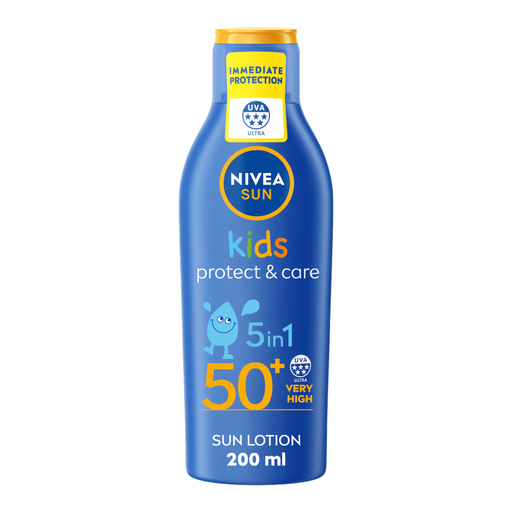
Why This Fits Their Persona: This is a practical choice for families needing reliable, high protection for children's delicate skin. The large 200ml bottle is ideal for holidays and the formula is specifically designed for active kids.
It offers very high SPF50+ and broad-spectrum UVA/UVB protection. The "extra water resistant" claim is backed by clear instructions to reapply frequently, especially after swimming, countering the "apply once" myth.
Paediatrician-approved for delicate skin and enriched with Panthenol and Vitamin E to support the skin barrier. The formula is also fast-absorbing to make application on restless children easier.
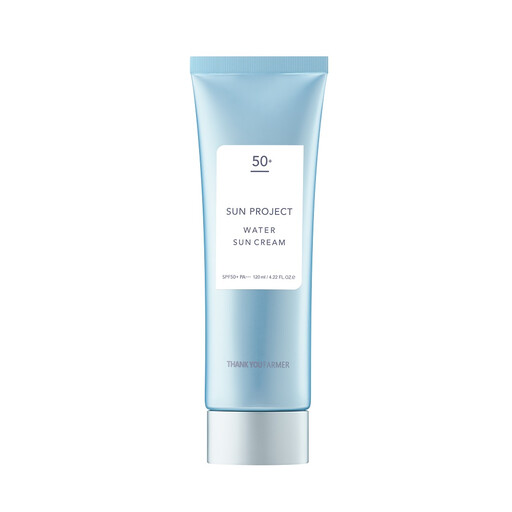
Why This Fits Their Persona: This is for someone who sees sunscreen as a non-negotiable final step in their skincare routine. They want high protection without compromising on texture or finish and this formula acts like a hydrating moisturiser.
It provides robust SPF 50+ and PA+++ protection, ensuring excellent broad-spectrum coverage. Its lightweight, dewy finish encourages daily use, overcoming the common issue of heavy, unpleasant textures that lead to inconsistent application.
The formula delivers intense hydration with a transparent, "glass skin" finish and no white cast. It contains soothing botanicals like Bamboo Water and Centella Asiatica, making it feel like a skincare treatment.
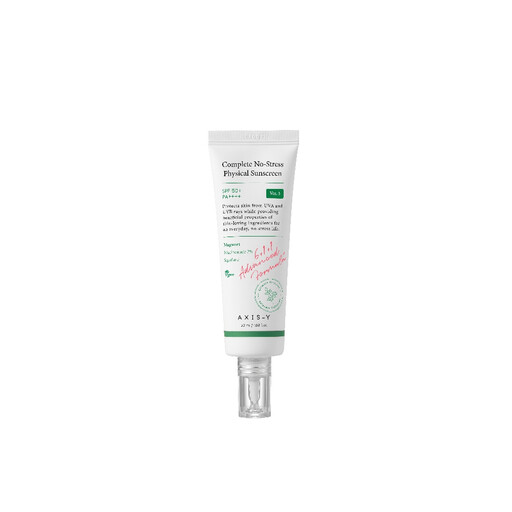
Why This Fits Their Persona: This is for individuals whose skin reacts easily to chemical filters or fragrance. A mineral-based formula offers gentle yet effective protection, making it a reliable choice for daily wear without causing irritation.
This is a physical sunscreen using Zinc Oxide, which is well-tolerated by sensitive skin. The formula is specifically designed to be non-chalky, addressing the primary cosmetic drawback of traditional mineral sunscreens.
It offers high SPF50+ PA++++ broad-spectrum protection. The formula is enriched with soothing ingredients like mugwort and centella extracts to calm irritation and it is vegan and fragrance-free.
We have compiled a complete, real-time list of products that fully satisfy these strict selection criteria and UK safety regulations.
For adequate protection, you need to apply more than you might think. A common guideline for the face and neck is the "two-finger rule": squeeze a line of lotion onto your index and middle fingers. For the body, the general recommendation is to use an amount equivalent to a shot glass (about 30ml) to cover all exposed areas. Using less than this will significantly reduce the level of protection.
It is not recommended. Most sun creams have a "Period After Opening" (PAO) symbol on the packaging, which looks like a small open jar with a number followed by "M" (e.g., 12M). This indicates the product should be used within 12 months of opening. After this time, the active ingredients can degrade and become less effective, leaving you unprotected.
A reef safe sunscreen is one formulated without certain chemical UV filters, primarily oxybenzone and octinoxate. Scientific studies have shown these chemicals can contribute to coral bleaching and damage marine ecosystems. While the term isn't officially regulated in the UK, brands use it to signify that their products are free from these specific ingredients to be more environmentally conscious.