
24/7 全天候客户支持

免费退货

当日/次日达

品质保障

开启新人专享福利: 全场免邮 | 低至 2 折 | 免费试用 30 天 JoyPlus 会员
下载 Joybuy
Navigating the sun care aisle can feel overwhelming. With labels promising all-day protection and complex ingredient lists, it's easy to choose a sun cream that doesn't quite meet your needs. As the Joybuy Product Recommendation Officer, my role is to help you understand what truly matters, so you can find a reliable sunscreen without falling for common marketing hype.
Before you buy, be aware of these frequent pitfalls:
To ensure you're getting effective protection, focus on these three non-negotiable features on any sunscreen bottle.
True sun safety means defending against both types of harmful UV radiation.
In the UK, look for two key symbols. The letters "UVA" inside a circle confirm that the product's UVA protection is at least one-third of its SPF value, meeting the EU standard. Additionally, the UVA star rating, from one to five stars, indicates the ratio of UVA to UVB protection. A higher star rating means better UVA defence. Always choose a broad spectrum sunscreen with at least a 4-star rating.
The texture and properties of a sun cream can make all the difference between a product you love and one that stays in the cupboard.
For typical daily use in the UK, an SPF 30 sun cream provides a high level of protection. However, an SPF 50 sun cream is a sensible choice for:
Here are a few options that align with our selection criteria, matched to different needs and lifestyles.
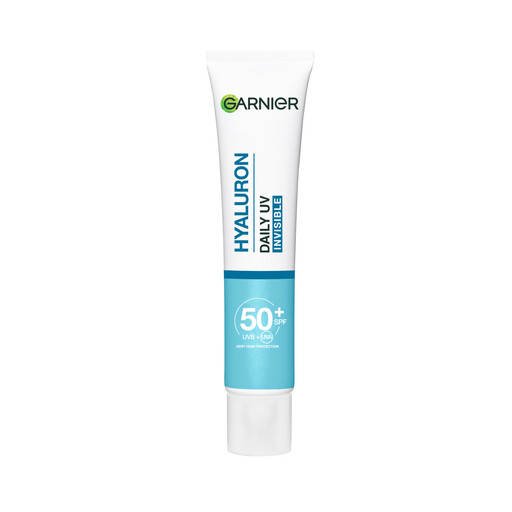
Why This Fits Their Persona: Perfect for daily commuters or anyone needing a reliable face sunscreen. Its lightweight fluid texture is designed to be worn every day, absorbing quickly to sit invisibly under makeup without pilling or leaving a greasy feel.
This product provides high SPF 50+ protection against UVB, UVA and even long-UVA rays, ensuring you are not just focusing on SPF but getting true broad-spectrum coverage for anti-ageing.
Formulated with Hyaluronic Acid and Glycerin to hydrate the skin and support the skin barrier. The formula is non-greasy, non-sticky and blends seamlessly without a white cast.
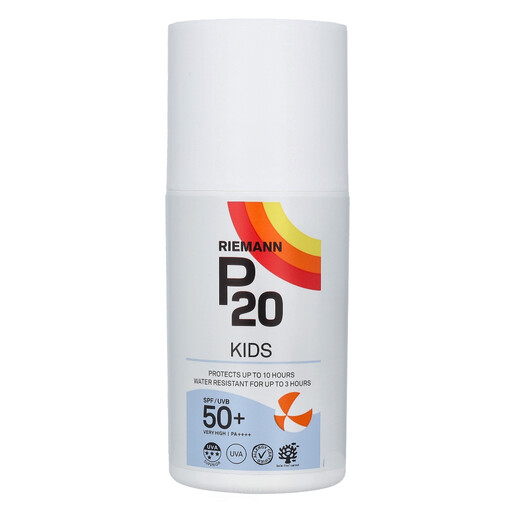
Why This Fits Their Persona: An excellent sunscreen for kids and adults who spend a lot of time in the water. It is specifically designed for children's sensitive skin and offers a high degree of water resistance, making it suitable for beach days and poolside fun.
While it offers long-lasting protection, the directions rightly advise reapplying after towelling or swimming to counter the "once-a-day" myth and maintain effective coverage during active use.
Highly water resistant for up to 3 hours. It is also dermatologically tested, hypoallergenic and free from fragrances, making it a gentle choice for sun-sensitive skin.
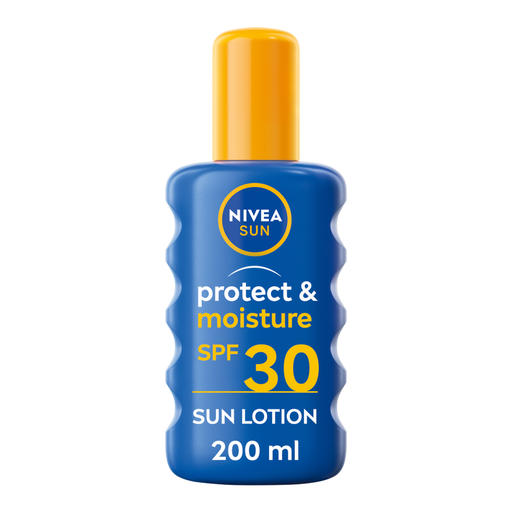
Why This Fits Their Persona: For those who prioritise environmental impact, this sun lotion offers a formula that respects marine life. It provides reliable protection while aligning with a more sustainable approach to sun care.
This product provides immediate and effective UVA/UVB protection, ensuring you get the broad-spectrum coverage needed, rather than just focusing on the SPF 30 number alone.
The formula is 78% biodegradable and free from UV filters like Octinoxate, Oxybenzone and Octocrylene, which are known to be harmful to coral reefs. The bottle is also made from 95% recycled plastic.
We have compiled a complete, real-time list of products that fully satisfy these strict selection criteria and UK safety regulations.
A common mistake is not applying enough sun cream. For your face and neck, a good guideline is the "two-finger rule": squeeze a line of lotion onto your index and middle fingers. For your body, the general recommendation is to use an amount equivalent to a full shot glass (around 35ml) to cover all exposed areas. Remember to reapply at least every two hours.
It is not recommended. Most cosmetic products, including sun cream, have a "Period After Opening" (PAO) symbol on the packaging, which looks like a small open jar with a number followed by "M" (e.g., "12M"). This indicates the product should be used within 12 months of opening. After this period, the active ingredients can degrade and become less effective.
They protect your skin in different ways.