
24/7 Customer Support

Free returns

Same-day & Next-day Delivery

Quality Guaranteed

Unlock Your Welcome Offers: FREE Delivery | Up to 80% OFF | Free 30-day JoyPlus trial
Download the APP
Choosing the best sunscreen SPF50 is less about a memorable advert and more about matching the formula to how, where and how often you will use it. A facial sunscreen SPF50 that sits neatly under make-up may be unsuitable for swimming, while a large body lotion may feel too heavy for daily commuting.
The following guide explains the key checks UK shoppers should make before buying, followed by practical recommendations for different routines.
SPF mainly describes protection against UVB, the rays associated with sunburn. SPF30 and SPF50 both offer high protection, but neither creates an invisible, all-day shield. Protection is reduced by sweating, swimming, towel drying, clothing friction and applying too little product.
A high protection sun cream should be applied generously before exposure and reapplied regularly according to the product instructions. Shade, clothing, a hat and sunglasses remain important, particularly around the strongest sunshine.
Look for clear UVA and UVB protection information. In the UK, UVA protection may be shown through the UVA logo or a star rating, while some imported products use PA ratings. SPF alone does not tell you how well a formula covers UVA.
Also check whether the product is intended for the face, body, children or sensitive skin. A product described as lightweight may still contain fragrance, alcohol or filters that some users prefer to avoid.
A water-resistant sunscreen is useful for outdoor activity, but it still needs reapplication after swimming or towelling. Conversely, a dewy serum-style facial formula may not be suitable for a beach day if the packaging does not state water or sweat resistance.
Tint, vegan credentials, mineral filters and skincare ingredients can all be useful, but they should support your main requirement: applying enough product consistently.
SPF50 or SPF50+ is a sensible choice for prolonged outdoor exposure, very fair skin, family holidays and users who find it difficult to apply enough. SPF30 can be appropriate for everyday exposure when applied correctly, and some body products offer larger volumes at a lower price per millilitre.
Do not compare SPF numbers as if SPF50 provides twice the protection of SPF30. The difference is smaller than the numbers suggest, but SPF50 offers a higher labelled protection level when used as directed.
For broad coverage, check for:
A mineral sunscreen commonly uses zinc oxide or titanium dioxide. These filters sit on the skin and may appeal to shoppers seeking a physical sunscreen. Modern formulas can be more comfortable than older chalky products, although a slight cast may still vary by skin tone and application amount.
Chemical or organic UV filters are often used in lightweight fluids and serum textures. These can spread transparently, which suits make-up users and those wanting an invisible finish. Review the full ingredient list if you have reactive or acne-prone skin, and patch test new products.
Fragrance-free and alcohol-free options may be worth considering for sensitive routines, but “sensitive skin sunscreen” is not a guarantee that every individual will tolerate it.
Choose a lightweight sunscreen for the face if you dislike stickiness or wear foundation. For arms, legs and the torso, a 175–250ml lotion or spray is more practical than a 40–50ml facial fluid.
For swimming, sport or hot-weather travel, select a clearly labelled water-resistant sunscreen and reapply after water exposure. Products without this claim should not be treated as suitable for swimming, even if they feel comfortable on the skin.
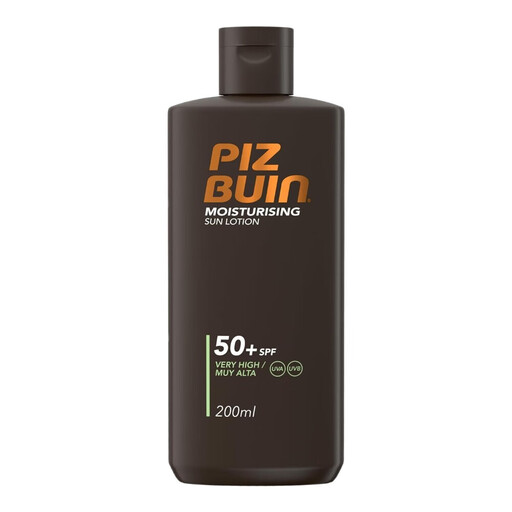
Why This Fits Their Persona: The 200ml body lotion is a practical starting point for regular UK commuting, garden use and weekend outdoor trips, without the smaller format of many facial fluids.
It is labelled SPF50+, and the directions specifically require generous application and reapplication after sweating, swimming or wiping.
200ml size, moisturising formula and a non-greasy texture described for outdoor use.
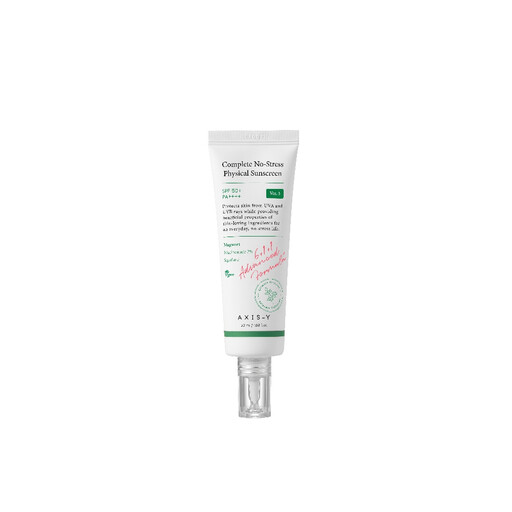
Why This Fits Their Persona: This facial mineral sunscreen suits shoppers who prioritise a zinc oxide base, a fragrance-free formula and a finish designed to sit beneath make-up.
Its product details identify zinc oxide, SPF50 PA++++ and a non-chalky finish, rather than relying only on a general “gentle” description.
50ml facial format, vegan-friendly positioning and plant extracts including mugwort and centella.
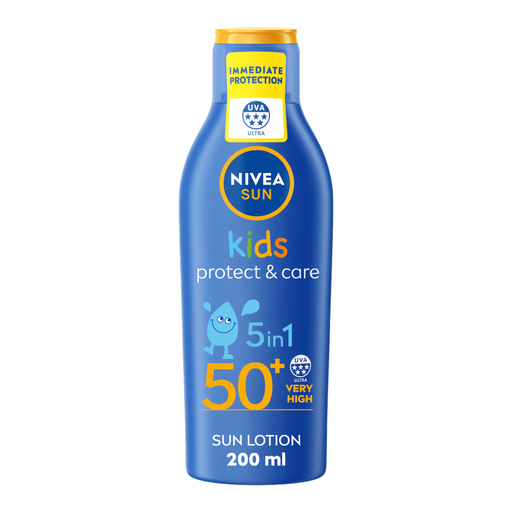
Why This Fits Their Persona: Families need a generous body format for repeated application, especially during playground visits, holidays and outdoor activities.
The product is labelled SPF50+, extra water resistant and suitable for children aged 3 and over; it still requires reapplication after swimming, sweating or towelling.
200ml lotion, extra water resistance and a formula containing panthenol, vitamin E and vitamin C.
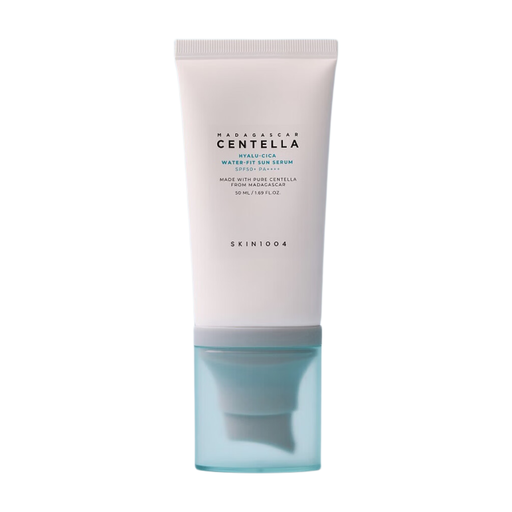
Why This Fits Their Persona: The serum-like facial formula is designed for shoppers who want an invisible finish under make-up and dislike a heavy cream texture.
Its details clearly state that it is not water or sweat-resistant, preventing the common mistake of using a daily face fluid for swimming or heavy perspiration.
50ml format, fragrance-free formula and transparent, lightweight finish.
We have compiled a complete, real-time list of products that fully satisfy these strict selection criteria and UK safety regulations.
SPF50 offers a higher labelled level of UVB protection than SPF30 and can be useful for fair skin, long outdoor days, strong sunshine and users who may apply less than the recommended amount. SPF30 can still be suitable for routine exposure when applied generously and reapplied correctly. Neither replaces shade, protective clothing or reapplication.
Follow the open-jar symbol and packaging instructions rather than relying on a fixed period. Heat, direct sunlight and repeated exposure to air can affect the product. Replace sunscreen if its smell, colour or texture changes, or if it is past the stated shelf-life guidance.
Some products are labelled for both, but a body lotion may feel greasy or irritate the eye area. A facial sunscreen SPF50 is usually made with texture and finish in mind, while body products often offer larger volumes and water resistance. Choosing separate products can make it easier to apply enough of each.