
24/7 全天候客户支持

免费退货

当日/次日达

品质保障

开启新人专享福利: 全场免邮 | 低至 2 折 | 免费试用 30 天 JoyPlus 会员
下载 Joybuy
A good sunscreen spray seems simple enough: point, spray and you’re protected. Yet, many of us have been left disappointed by a formula that promised convenience but delivered frustration. From sprays that stain your favourite summer clothes to those that feel sticky and clog halfway through the bottle, finding a reliable option can feel like a lottery.
As the Joybuy Product Recommendation Officer, my role is to help you navigate these common issues. Before you spend your money, let's look at the frequent pitfalls and what to check to ensure your next sunscreen spray is a purchase you won't regret.
To avoid these problems, focus on a few key specifications. These are the non-negotiable details that separate a reliable product from a disappointing one.
Sun protection isn't just about preventing sunburn. It's about shielding your skin from two types of harmful UV rays.
The texture of a sunscreen spray dramatically affects how pleasant it is to use.
Not all sunscreens are created equal, especially when it comes to different skin needs.
Based on these practical criteria, here are a few standout options matched to different user needs.
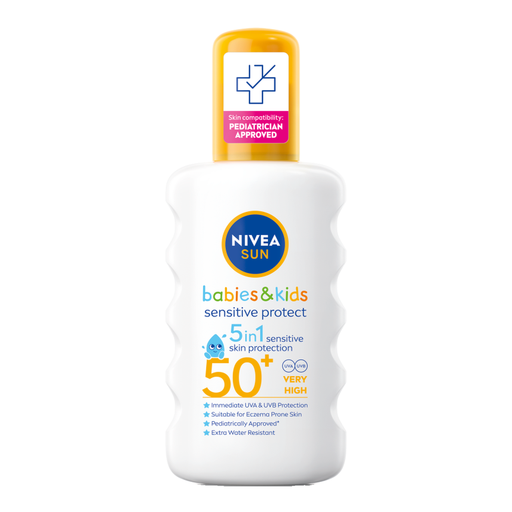
Why This Fits Their Persona: This is a practical choice for parents. The high SPF 50+ and extra water-resistant formula are ideal for protecting children's delicate skin during long days at the beach or park. The pump spray makes application on wriggly kids much easier.
The reliable pump dispenser avoids the common clogging and pressure-loss issues of aerosols. Its formula is specifically designed for sensitive skin prone to eczema, reducing the risk of irritation.
Features organic chamomile to soothe skin and is fragrance-free. The formula is 63% biodegradable in a recycled plastic bottle.
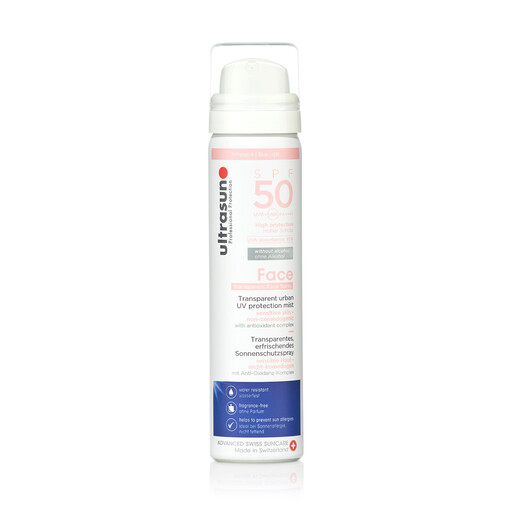
Why This Fits Their Persona: Perfect for city life, this lightweight mist can be spritzed over makeup for easy top-ups during a lunch break or commute. It also protects the often-neglected scalp and hairline without making hair greasy.
Its transparent, quick-drying formula is specifically designed to be non-sticky and non-greasy, absorbing in seconds. This minimises the risk of a tacky feeling or staining collars and scarves.
The alcohol-free and non-comedogenic formula is gentle enough for daily use on sensitive facial skin. It also contains InfraGuard, an antioxidant complex.
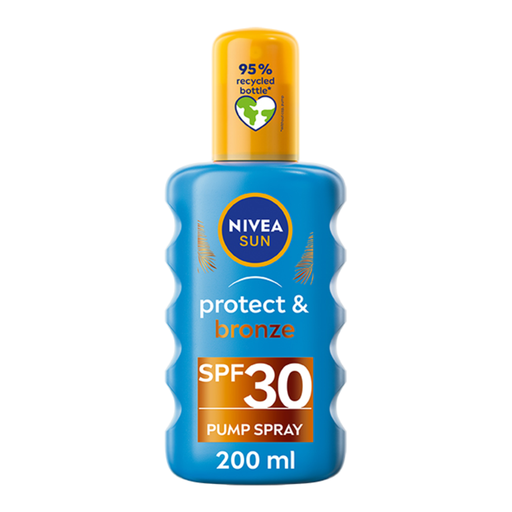
Why This Fits Their Persona: For those who want to develop a natural tan while staying protected. This **tan enhancing sun spray** offers reliable SPF 30 protection and includes an ingredient to support the skin's own tanning process.
The lightweight, water-resistant formula is non-greasy and absorbs well, leaving a smooth feel without the oily residue that can stain swimwear or attract sand at the beach.
It contains natural pro-melanin extract to boost melanin production for an even tan, with 0% self-tan. The formula is also 76% biodegradable.
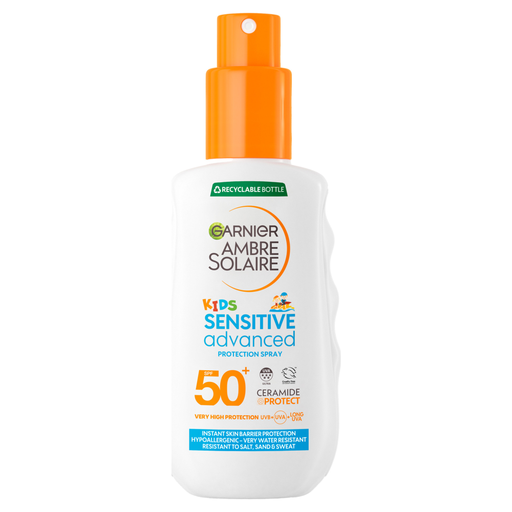
Why This Fits Their Persona: This option ticks multiple boxes for conscious consumers. It provides very high SPF 50+ protection suitable for sensitive skin, is approved as **cruelty-free** under the Leaping Bunny Programme and its research is recognised by the British Skin Foundation.
The hypoallergenic and fragrance-free formula is tested under paediatric control, directly addressing the risk of reactions, a major pitfall for those with sensitive skin.
It offers maximum 5-star UVA protection and is very resistant to water, sand and sweat, making it a durable and reliable choice.
We have compiled a complete, real-time list of products that fully satisfy these strict selection criteria and UK safety regulations.
A common mistake is not applying enough. For sprays, the general guidance is to apply until an even, visible sheen appears on the skin and then rub it in to ensure full coverage. Don't just do a quick, light misting. For an average adult, this equates to roughly six full sprays per limb and for the front and back of the torso.
While you can, it's often better to use a dedicated face sunscreen mist. Facial sunscreens are typically formulated to be lighter, non-comedogenic (less likely to clog pores) and are often tested for use around the sensitive eye area. If you must use a body spray, never spray it directly onto your face. Spray it into your hands first and then apply it, avoiding your eyes.
"Water-resistant" does not mean waterproof. Regulations require these products to specify whether they remain effective for 40 or 80 minutes of swimming or sweating. Regardless, you should always reapply sunscreen at least every two hours and immediately after swimming, sweating heavily or towel drying.