
24/7 Customer Support

Free returns

Same-day & Next-day Delivery

Quality Guaranteed

Unlock Your Welcome Offers: FREE Delivery | Up to 80% OFF | Free 30-day JoyPlus trial
Download the APP
Navigating the world of sunscreen can feel overwhelming. With shelves lined with lotions, sprays and serums, it's easy to fall for marketing claims that don't hold up in the real world. As a Joybuy Product Recommendation Officer, my role is to help you see past the hype and choose a product that genuinely works for your skin and lifestyle. Many people end up with a drawer full of half-used bottles because of a few common and costly purchasing mistakes.
Let's look at the most frequent traps UK consumers encounter:
To avoid these pitfalls, focus on a few key parameters that define a truly effective and wearable sunscreen. Understanding these will empower you to select a formula that you'll be happy to use every single day.
Effective sun protection must shield you from both UVA and UVB radiation.
The right formula depends entirely on your skin type and how you plan to use it. Modern sunscreens have moved far beyond thick, goopy creams.
The most effective sunscreen is one you'll wear consistently. Choosing a formula that complements your skin is crucial.
Instead of a one-size-fits-all approach, we've matched some standout options to specific user needs, helping you find a formula that solves a real-world problem.
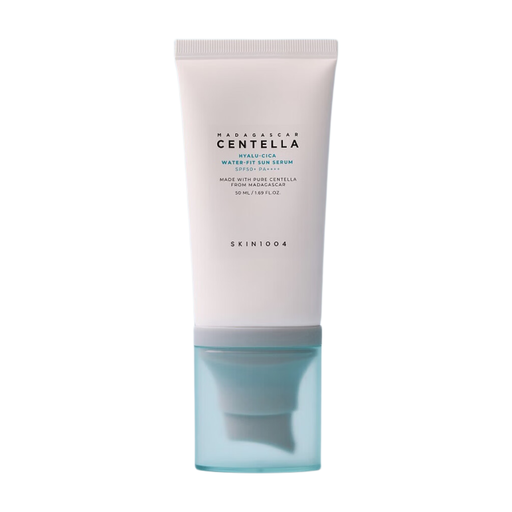
Why This Fits Their Persona: This is for the person who hates the feeling of traditional sunscreen. Its ultra-light, watery serum texture absorbs instantly, making it a perfect face SPF for daily wear in the UK, even on gloomy days. It's comfortable, hydrating and sits beautifully under makeup.
It directly counters the "heavy and greasy" pitfall. The formula is completely transparent with zero white cast, feeling more like a skincare step than a sunscreen layer.
Combines high SPF 50+ PA++++ protection with skincare benefits from Centella Asiatica and Hyaluronic Acid to soothe and hydrate sensitive skin.
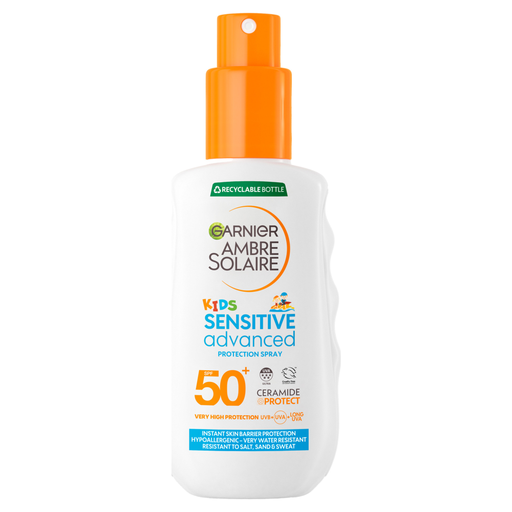
Why This Fits Their Persona: For families enjoying a day at the park or a trip to the British seaside, ease of application is paramount. This kids sun cream spray provides high, reliable protection in a format that makes covering wriggly children quick and painless.
It tackles the "reapplication hassle." The spray format and very water-resistant formula mean it's practical for active children, encouraging the frequent reapplication needed to stay protected, thus avoiding the "once-a-day" trap.
Offers maximum 5-star UVA protection and is hypoallergenic and fragrance-free, making it suitable for children's delicate and sensitive skin.
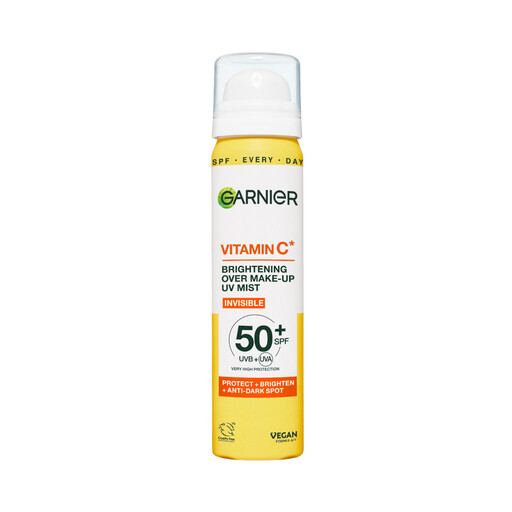
Why This Fits Their Persona: Perfect for the professional or commuter who applies makeup in the morning but needs to top up their SPF protection during their lunch break or before heading home. This mist is designed specifically for this purpose.
It solves the problem of how to reapply sunscreen without disturbing makeup, a major reason people fail to reapply and fall into the "once-a-day" trap. The invisible mist format makes top-ups effortless.
Provides very high SPF 50+ protection in a fast-drying, non-greasy mist. It's enriched with Vitamin C derivative to help brighten the complexion throughout the day.
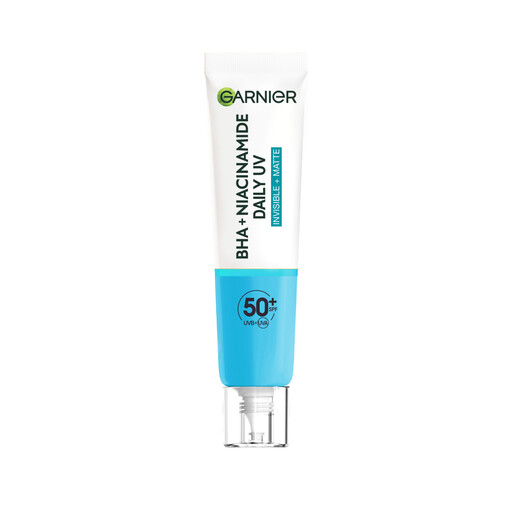
Why This Fits Their Persona: Anyone with oily or blemish-prone skin knows the fear of applying a heavy cream that could cause breakouts. This fluid is specifically designed to provide high protection while actively helping to manage imperfections.
This formula directly avoids the "greasy finish" trap. Its ultra-light texture provides an instant matte, dry-touch finish that won't clog pores or contribute to excess oiliness throughout the day.
It's a multitasking product, combining SPF50+ protection with derm-actives like BHA (Salicylic Acid) and Niacinamide to visibly reduce blemishes and mattify the skin.
We have compiled a complete, real-time list of products that fully satisfy these strict selection criteria and UK safety regulations.
1. How much sunscreen should I actually use for my face? A common guideline is the "two-finger rule." Squeeze a line of sunscreen onto your index and middle fingers from base to tip. This amount is generally sufficient to provide the stated SPF level for your face and neck. Under-applying significantly reduces protection.
2. Can I use my body sunscreen on my face? While you can, it's not always ideal. Sunscreens formulated for the body can sometimes be thicker, heavier or contain fragrances that might irritate facial skin or clog pores. A dedicated face SPF is typically lighter, non-comedogenic and designed to be worn comfortably all day, often under makeup.
3. What does the UVA star rating on UK sunscreens mean? The UVA star rating indicates the ratio of UVA protection to UVB protection. A 5-star rating means the UVA protection is at least 90% of the UVB protection, offering a very high, balanced level of broad-spectrum defence. Always look for a high star rating (4 or 5 stars) to ensure you are adequately protected against skin ageing.