
24/7 Customer Support

Free returns

Same-day & Next-day Delivery

Quality Guaranteed

Unlock Your Welcome Offers: FREE Delivery | Up to 80% OFF | Free 30-day JoyPlus trial
Download the APP
As a Joybuy Product Recommendation Officer, my role is to help you navigate the crowded market of sun protection. With so many labels, numbers and claims, it's easy to feel overwhelmed or, worse, make a choice that doesn't provide the protection you and your family need. Many sun creams promise the world, but not all deliver on what truly matters for UK conditions, from a surprise sunny day in the city to a family holiday by the sea.
Before you add any sun lotion to your basket, let's look at a few common pitfalls. Understanding these can save you from discomfort, wasted money and inadequate protection.
To ensure you're getting effective protection, focus on these core parameters. They are the non-negotiable factors that separate a reliable sunscreen from a poor investment.
This is the most critical factor. A good sunscreen must protect you from both types of harmful UV radiation.
The "best" formula is the one you'll happily wear every day. The texture and ingredients make all the difference.
Based on these practical criteria, we've matched several products to the specific needs of different UK users.
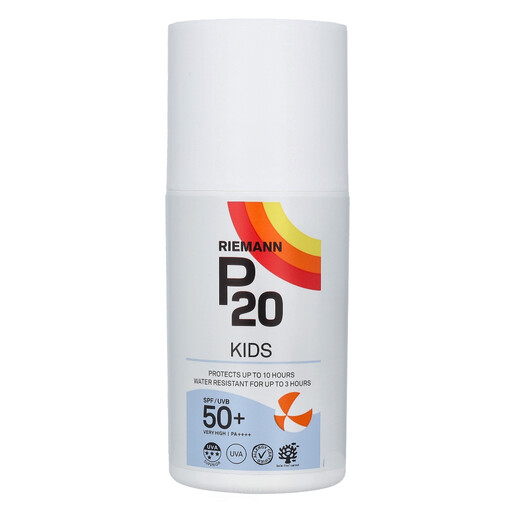
Why This Fits Their Persona: Ideal for parents who need reliable, high-level protection for children during long days at the beach or park. Its focus on water resistance and a gentle formula addresses key concerns for kids' delicate skin.
While it offers long-lasting protection, its main strength is its high water resistance for up to 3 hours, directly addressing the reality of kids swimming and playing. It also has a superior UVA rating, avoiding the SPF-only focus trap.
Specifically developed for children's sun-sensitive skin, this kids sun cream is hypoallergenic, fragrance-free and dermatologically tested to minimise irritation.
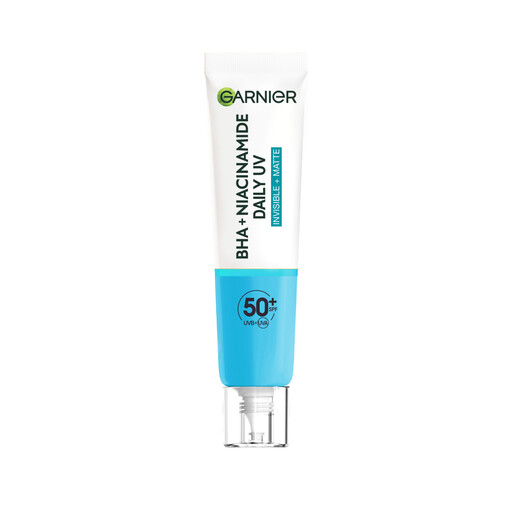
Why This Fits Their Persona: Perfect for the person who wants their face sunscreen to be a multi-tasking skincare step. It's designed for daily wear, even for those with oily or blemish-prone skin who dislike traditional sun creams.
This ultra-light fluid is specifically formulated to be non-greasy and non-sticky with an invisible, matte finish. It directly solves the problem of heavy, chalky sunscreens that interfere with makeup or feel uncomfortable for daily wear.
It combines high protection sunscreen (SPF50+) with skincare actives like BHA and Niacinamide to help reduce the appearance of imperfections and control oil, providing benefits beyond just UV protection.
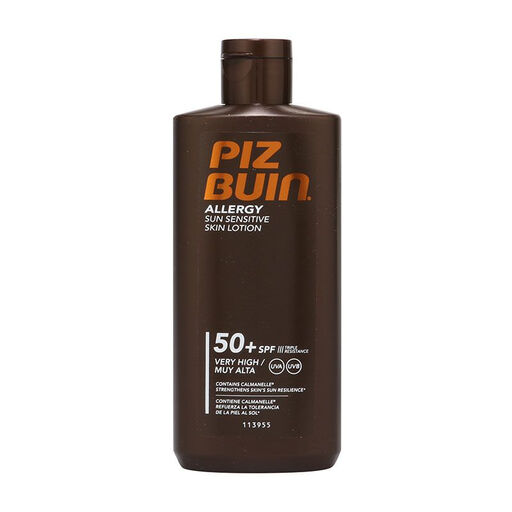
Why This Fits Their Persona: This is for individuals whose skin reacts easily to sun exposure, leading to prickly heat or blotchiness. It's a targeted solution that prioritises skin comfort and resilience alongside high-level UV protection.
It goes beyond standard protection by including an anti-irritant shield complex. This acknowledges that for some, sun protection isn't just about preventing burns but also about managing skin sensitivity and reactivity, a nuance often missed by generic brands.
Developed with dermatologists, it's sweat and water resistant sunscreen that also provides hours of moisturisation to soothe sun-sensitive skin and help prevent peeling.
We have compiled a complete, real-time list of products that fully satisfy these strict selection criteria and UK safety regulations.
Most people apply far too little sunscreen, which drastically reduces the level of protection. A common guideline for the body is to use about two tablespoons (or enough to fill a shot glass) for an average adult. For the face and neck, the "two-finger rule" is a helpful measure: squeeze a line of lotion onto your index and middle fingers, and that amount should be sufficient. Remember to apply it 15-30 minutes before sun exposure.
It's best to check the packaging. Most sunscreens have a "Period After Opening" (PAO) symbol, which looks like a small open jar with a number followed by "M" (e.g., "12M"). This indicates the product should be used within 12 months of opening. If it's past this date, or if the colour, smell or consistency has changed, it's time to replace it, as the filters may no longer be effective.
While a higher number means more protection, the difference isn't as large as you might think. SPF 30 filters out about 97% of UVB rays, while SPF 50 filters out about 98%. No sunscreen can block 100% of UV rays. An SPF 30 is generally considered sufficient for most people for everyday use, but an SPF 50 or 50+ offers a valuable extra margin of safety, especially for children, people with fair or sensitive skin or during intense, prolonged sun exposure on holiday. The most important thing is to apply it generously and reapply it regularly.