
24/7 Customer Support

Free returns

Same-day & Next-day Delivery

Quality Guaranteed

Unlock Your Welcome Offers: FREE Delivery | Up to 80% OFF | Free 30-day JoyPlus trial
Download the APP
As a Joybuy Product Recommendation Officer, my role is to help you navigate the crowded shelves and find products that genuinely serve their purpose. When it comes to sunscreen, the choices can be overwhelming, and marketing claims often add to the confusion. A sun cream that feels heavy or causes breakouts is just as unhelpful as one that fails to provide adequate protection. Let's cut through the clutter and focus on what truly matters for keeping your skin protected.
Many of us have been caught out by common purchasing pitfalls. Here are a few to watch for:
To make an informed choice, it helps to understand a few core parameters beyond the price tag and brand name. Paying attention to these details ensures you get the protection you're paying for.
While essential, the SPF rating is only half the story. True protection requires a broad-spectrum formula that shields you from both types of harmful UV rays.
Sunscreens use different types of filters to block UV radiation, and the right one often depends on your skin type.
The texture and finish of a sun cream can make all the difference in whether you enjoy using it daily.
Based on these practical criteria, here are a few standout options tailored to specific needs and lifestyles.
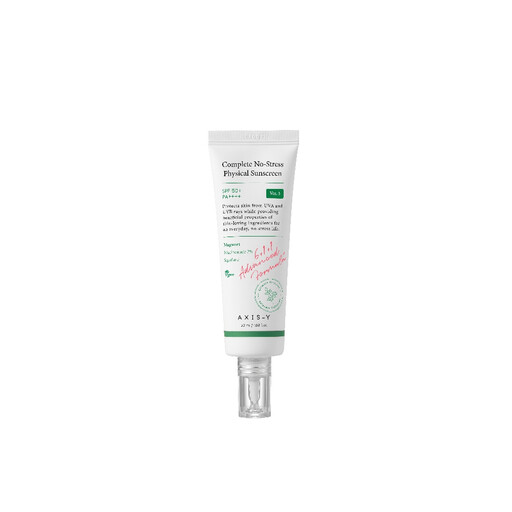
Why This Fits Their Persona: Ideal for daily use in a city environment, this sunscreen is designed for sensitive, oily or acne-prone skin. It sits comfortably without causing irritation or clogging pores, making it a reliable base under makeup for the daily commute.
It directly counters the "one-size-fits-all" pitfall by offering a specialised mineral formula for the face. Its zinc oxide base is gentle on reactive skin, unlike some heavier body lotions.
Features SPF50+ PA++++ broad-spectrum protection. The formula is vegan, cruelty-free and designed to leave no white residue, a common issue with mineral sunscreens.
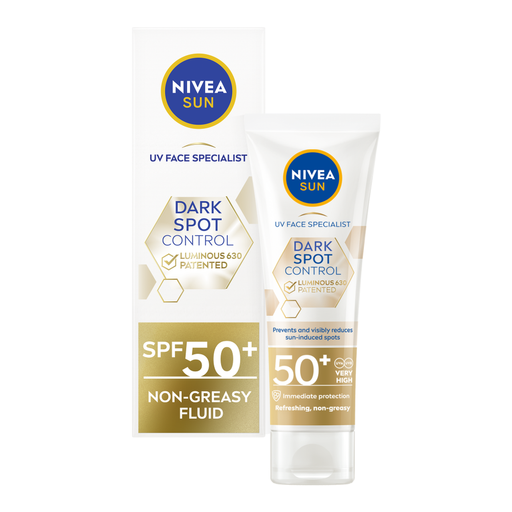
Why This Fits Their Persona: For those who view sunscreen as a crucial part of their skincare routine, this fluid offers more than just protection. It's designed for individuals actively working to prevent and reduce sun-induced dark spots and hyperpigmentation.
This product challenges the "SPF is everything" myth by integrating targeted skincare. It combines high UVA/UVB protection with an active ingredient, Luminous630, to address a specific ageing concern.
Its primary benefit is the 2-in-1 action of sun protection and dark spot reduction. The lightweight, non-greasy fluid texture is suitable for all skin types and wears well daily.
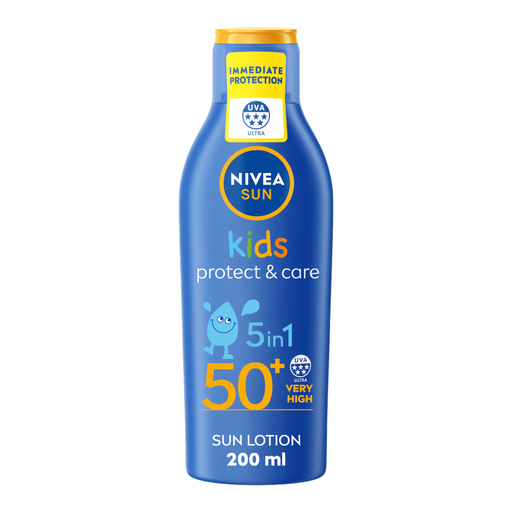
Why This Fits Their Persona: Perfect for family holidays or days out at the park. This lotion is specifically formulated for children's delicate skin, offering high protection that stands up to paddling pools and playgrounds.
This product's "extra water resistant" claim is paired with clear instructions to reapply frequently, debunking the "all-day" protection myth and promoting safe sun habits for children.
It is paediatrician-approved for skin compatibility and provides high SPF50+ protection. The formula is also designed to be fast-absorbing and less sticky for easier application on active kids.
We have compiled a complete, real-time list of products that fully satisfy these strict selection criteria and UK safety regulations.
A good rule of thumb for the face and neck is the "two-finger rule." Squeeze a line of sun cream onto your index and middle fingers from base to tip. This amount is generally sufficient to provide the level of protection stated on the bottle. For the body, aim for about a shot glass full (around 30ml) for an average adult.
It is not recommended. Most cosmetic products, including sunscreen, have a "Period After Opening" (PAO) symbol on the packaging, which looks like a small open jar with a number (e.g., "12M"). This indicates the product should be used within 12 months of opening. After this period, the active ingredients can degrade and become less effective.
In the UK and EU, brands are not permitted to claim a product is "waterproof" or a "sunblock" because no sunscreen can provide 100% protection indefinitely. A "water-resistant" label means the sunscreen has been tested and maintains its SPF level after a certain amount of time in the water (usually 40 or 80 minutes). You must always reapply sun cream after swimming, sweating or towel drying.