
24/7 全天候客户支持

免费退货

当日/次日达

品质保障

开启新人专享福利: 全场免邮 | 低至 2 折 | 免费试用 30 天 JoyPlus 会员
下载 Joybuy
Applying sunscreen should be a straightforward part of your daily routine, yet finding the right one can feel like navigating a minefield of confusing labels and ambitious marketing claims. From promises of all-day protection to formulas that feel greasy or leave a chalky white cast, it’s easy to spend money on a product that ends up gathering dust in a drawer. As a Joybuy Product Recommendation Officer, my role is to help you see past the hype and focus on what truly matters for effective sun protection.
Before you make your next purchase, let’s look at a few common pitfalls that UK shoppers often encounter.
To choose a sunscreen that works for you, it’s vital to understand a few core parameters beyond the price tag.
The Sun Protection Factor (SPF) primarily measures protection against UVB rays, the main cause of sunburn.
UVB rays cause burning, but UVA rays penetrate deeper into the skin, causing premature ageing (wrinkles, fine lines) and increasing the risk of skin cancer. A good sun cream must offer broad-spectrum UVA/UVB protection. In the UK, look for:
The right formula depends entirely on your skin type and how you plan to use it.
Instead of a one-size-fits-all approach, we've matched some standout options to different needs and lifestyles.
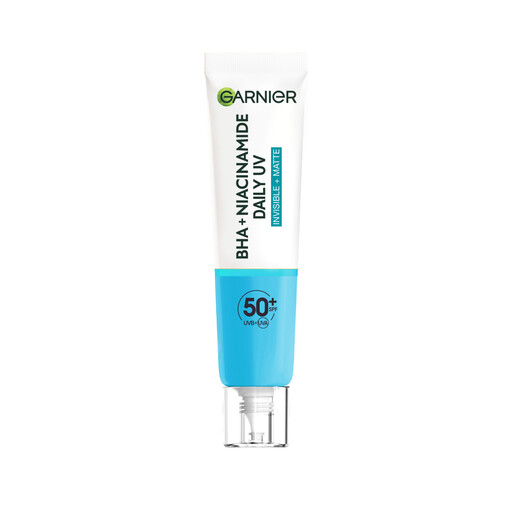
Why This Fits Their Persona: Perfect for UK city dwellers who need a reliable daily face sunscreen that won't feel heavy or cause breakouts. It’s designed to be worn under makeup without pilling or adding shine.
This fluid provides a genuine invisible, matte finish that combats the "white cast" trap. Its ultra-light texture feels more like a serum than a traditional heavy sun cream.
The inclusion of BHA (Salicylic Acid) and Niacinamide helps to manage excess oil and reduce the appearance of blemishes, making it a multi-tasking skincare and sun protection product.
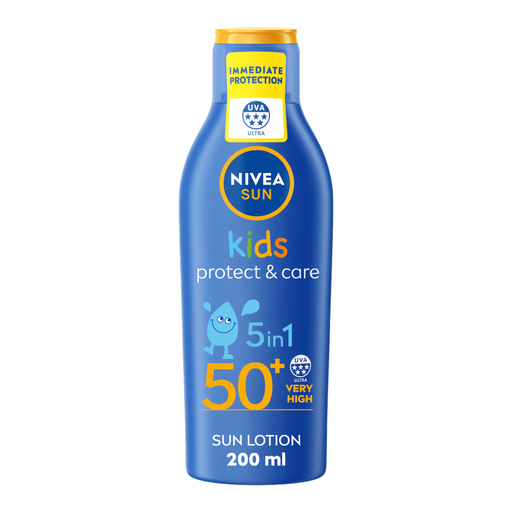
Why This Fits Their Persona: An ideal choice for families heading to the coast or spending time outdoors. This kids sun cream is designed to be gentle on delicate skin while offering robust protection for active children.
It tackles the "waterproof" confusion head-on. While being extra water resistant, the instructions clearly state the need for frequent reapplication, reinforcing correct usage habits.
The formula is paediatrician-approved for skin compatibility and offers very high SPF 50+ protection. The fast-absorbing lotion makes application on restless children much easier.
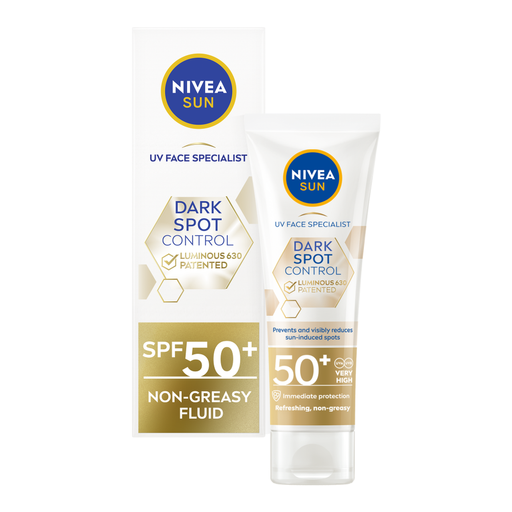
Why This Fits Their Persona: For those who see sunscreen as a crucial skincare step and want more than just protection. This fluid targets a specific concern—sun-induced dark spots—while providing high-level daily defence.
It moves beyond basic marketing claims by offering a targeted benefit. Instead of just promising protection, it addresses the visible consequences of sun exposure, a key concern for many.
According to NIVEA, its patented Luminous630 ingredient can visibly reduce the appearance of sun-induced spots. The lightweight, non-greasy fluid is suitable for all skin types.
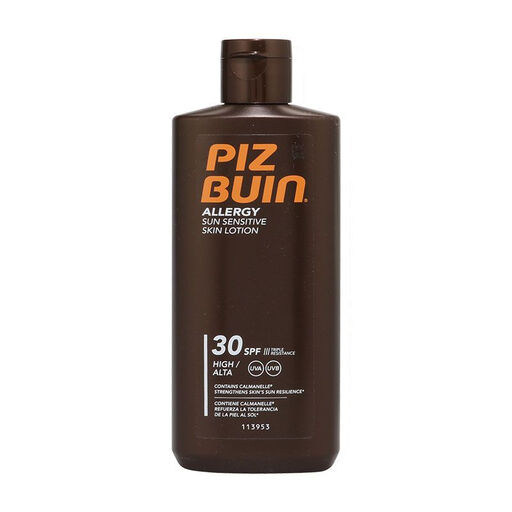
Why This Fits Their Persona: For individuals whose skin reacts easily to sun exposure or certain product ingredients. This lotion is specifically developed to provide protection while caring for sun-sensitive skin.
It addresses the hidden pitfall of skin irritation. While many sunscreens focus on SPF, this one prioritises skin tolerance, making it a more reliable choice for those prone to redness and discomfort.
The formula is designed to be gentle and hydrating, offering SPF 30 protection in a non-greasy lotion. It contains an extract of the plant Feverfew, known for its soothing properties.
We have compiled a complete, real-time list of products that fully satisfy these strict selection criteria and UK safety regulations.
A common mistake is not applying enough. For your face and neck, a good guideline is the "two-finger rule": squeeze a line of sunscreen onto your index and middle fingers. This amount is roughly what you need for adequate coverage. For your body, aim for about two tablespoons (or a shot glass full) to cover all exposed areas.
Yes, absolutely. Up to 80% of the sun's UVA rays—the ones responsible for ageing—can penetrate cloud cover. Making daily sunscreen application a year-round habit is one of the most effective ways to protect your skin's long-term health and appearance.
It's best to check the packaging. Most sunscreens have a "period after opening" (PAO) symbol, which looks like an open jar with a number followed by "M" (e.g., "12M"). This indicates it should be used within 12 months of opening. If it's past this date, or if the colour, smell or consistency has changed, it's time to replace it as its effectiveness may be compromised.