Weekend breakfast hosts
Choose between a two-pack, a four-pack and a bake-at-home format when you want a premium-feeling croissant to warm and serve with coffee or brunch.


For a premium-style breakfast croissant, choose an all-butter option with a clear ingredient list, allergen declaration and serving instructions, then match the format to the occasion. A chilled multipack suits planned household breakfasts, a bakery single suits an immediate serving, and frozen bake-at-home croissants suit occasions when you have freezer space and oven time.
Choose between a two-pack, a four-pack and a bake-at-home format when you want a premium-feeling croissant to warm and serve with coffee or brunch.
Compare pack size, ingredients and serving format rather than assuming that a premium own-label range will suit every breakfast occasion.
Check the current product label before buying: the reviewed standard all-butter croissants contain wheat, milk and egg, while additional nut and trace-allergen warnings vary.
Start with the format you can serve as intended, then compare the recipe, current allergen information and per-croissant nutrition panel.
| Priority | What to check | Your needs |
|---|---|---|
| Butter-led recipe | Look for an all-butter recipe or stated butter content; check whether oven warming is provided; treat French-style or provenance wording as a product characteristic rather than a taste guarantee. | I want a buttery croissant that can be warmed shortly before breakfast, not a choice based only on a premium label. |
| Pack format and storage | Check the pack count, best-before guidance and freezing instructions; confirm whether the pastry is ready to eat, sold from an in-store bakery, or must be baked from frozen. | I need a format that fits the number of people eating and the time available, without leaving unused pastries behind. |
| Allergen information | Read the full current ingredient list, bold allergen declaration and any may-contain or not-suitable warning for the exact SKU. | If someone needs to avoid an allergen, I need to check this pack rather than rely on another retailer’s croissant label. |
| Serving nutrition | Use the per-croissant nutrition panel as well as per-100g figures; compare serving size and saturated fat where these are declared. | I want to understand what one croissant contributes to breakfast, especially when serving butter-rich pastries with other foods. |
Butter percentage, French-origin wording and premium packaging describe aspects of a product, but they do not determine which texture or flavour you will enjoy most.
Use premium positioning to make a shortlist, then compare the ingredient list, pack format and heating instructions. A smaller pack can be useful when texture and flavour are the deciding factors.
The reviewed premium products list 8.3 g to 10.1 g of saturated fat per croissant, depending on the product and serving size.
Use the per-croissant nutrition panel, rather than only per-100g figures, when deciding portion size and breakfast accompaniments.
Wheat, milk and egg appear in the reviewed standard products, while additional warnings differ between products. M&S, Waitrose No.1 and Lidl also publish different nut or trace-allergen cautions.
Check the current physical or online label for the exact SKU every time, particularly after a recipe or packaging change.
A smaller two-croissant pack prepared in France with French-churned butter and French flour, according to Waitrose & Partners.
A four-pack all-butter option with ambient and frozen warming instructions.
A four-croissant, 160 g all-butter pack designed to be warmed at home.
ASDA’s premium-line four-pack, positioned around French butter and oven serving.
An in-store bakery choice for an individual all-butter croissant rather than a packaged multipack.
These Joybuy options focus on frozen croissants for planned bake-at-home breakfasts, brunches and shared treats.
 No image available
A bake-at-home option for a warm breakfast or brunch when freezer storage and oven time are available.
The listing states 24% French-sourced butter and baking from frozen in 20 minutes. Keep frozen at -18°C or cooler; it contains wheat, gluten, milk and egg, and may contain nuts, sesame and soya.
 No image available
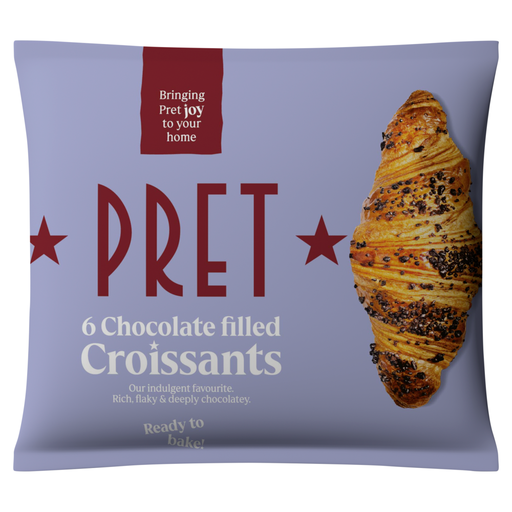
A six-piece frozen option for a planned shared brunch when a chocolate-filled pastry suits the occasion.
This is a chocolate-filled and topped croissant rather than a plain all-butter croissant. Bake from frozen at 190°C for 22 minutes; it contains wheat, gluten, milk, egg and soya, and is not suitable for nut or sesame allergy sufferers.
Waitrose No.1 2 Butter Croissants are a clear two-person option among the reviewed listings: Waitrose states that they are prepared in France, contain 33% butter and can be warmed in the oven for 2–3 minutes. Choose a four-pack instead when serving more people.
Choose a chilled or ambient croissant when you need a ready-to-eat pastry that can be warmed briefly. Choose frozen bake-at-home croissants when you can allow for oven time and freezer storage; check the cooking instructions and whether the product must stay frozen until baking.
Do not assume they are. The reviewed standard products list wheat or gluten, milk or butter and egg, while some also carry nut or trace-allergen warnings. Read the current package label for the exact product before choosing it for someone with an allergy or intolerance.
Only follow the instructions for the specific pack. M&S says its All Butter Croissants are suitable for freezing; Sainsbury’s provides freezing and defrosting guidance; ASDA says its Exceptional croissants can be frozen before the date mark but should not be refrozen once defrosted.
Yes. The reviewed products list substantial saturated-fat amounts per croissant: Waitrose No.1 lists 10.1 g, Sainsbury’s Taste the Difference lists 10 g, and Exceptional by ASDA lists 8.3 g. Compare the serving size and nutrition panel rather than treating premium positioning as a nutritional benefit.