Passengers who need independent ticket access
If you manage bookings between stops and do not want to rely on the driver’s phone hotspot, compare cellular-capable tablets and check the data plan you would use.


Choose a tablet whose connection matches how you will retrieve tickets: Wi-Fi can work when tickets are prepared in advance or a tested phone hotspot is available, while a cellular model lets a passenger connect without that hotspot if they have a suitable data plan and coverage. Compare screen size and carrying convenience for use at entrances, and leave ticket handling to a passenger or wait until the vehicle is safely parked.
If you manage bookings between stops and do not want to rely on the driver’s phone hotspot, compare cellular-capable tablets and check the data plan you would use.
If you mainly show QR codes and booking details once parked or at an entrance, a Wi-Fi tablet may be enough when you can prepare tickets or test a hotspot beforehand.
If the tablet will often move between the car, attractions and accommodation, consider a compatible case. Frequent wet, dusty or rough handling may warrant checking a purpose-built rugged model instead.
Decide how tickets will be accessed away from Wi-Fi, then choose a screen you can comfortably show and carry at stops. Consider extra protection only for the handling the tablet will actually face.
| Concern | What to check | Who this matters to |
|---|---|---|
| Live ticket access | Check whether the exact variant has cellular connectivity or needs Wi-Fi, and whether your intended connection works along the trip. | If bookings can change between stops, I want a passenger to retrieve them without borrowing a phone connection; roughly 33% of consumers put independent live access first. |
| Readable, portable display | Compare screen size, stated brightness and weight for the exact model. | At an entrance, I need to show a code clearly without carrying an awkward device all day; clear viewing with manageable carrying is the first concern for around 25% of consumers. |
| A proportionate setup | Check the storage variant, Wi-Fi or cellular connection and which accessories you would need. | If my existing phone connection and prepared tickets cover the journey, I would rather not add features I will seldom use; roughly 25% of consumers prioritise that approach. |
| Protection in transit | Check case compatibility and any model-specific protection claims, including their test conditions. | When the tablet will repeatedly be handled outdoors or passed between family members, I care most about protecting it; around 17% of consumers put that need first. |
GOV.UK states that a driver must not hold and use a tablet while driving, including while stopped at traffic lights or in a queue.
Ask a passenger to open or scan tickets, or wait until the vehicle is safely parked.
Live booking changes and app sign-ins may require a connection when venue Wi-Fi is unavailable.
Test the intended ticket service with your phone hotspot before travel, and check with the provider whether its ticket can be prepared for offline use.
Protection claims apply to particular models and conditions. Samsung’s stated 1.8 m drop claim for the Galaxy Tab Active5 depends on its bundled protective case; it does not apply to every Galaxy tablet.
Check the exact model, its protection conditions and the case you plan to use.
GOV.UK says a hands-free device must not block the driver’s view of the road and traffic ahead, and the driver must remain in control.
Keep attraction-ticket handling with a passenger. If a tablet is mounted for another permitted purpose, check the sightline from the driver’s normal seat before setting off.
Compare the iPad (A16) in Wi-Fi and Wi-Fi + Cellular forms if an iPad fits your travel setup.
The Galaxy Tab A11+ 5G and Galaxy Tab Active5 address different needs: mobile connectivity and model-specific rugged protection, respectively.
The cited UK Tab M11 configuration is an 11-inch Wi-Fi option to compare when tickets can be prepared or a phone hotspot is available.
These tablets offer Wi-Fi-based and direct-mobile-data options for passengers checking tickets on a road trip. Match the connection to your plans, then check the exact ticket service and carrying needs before choosing.
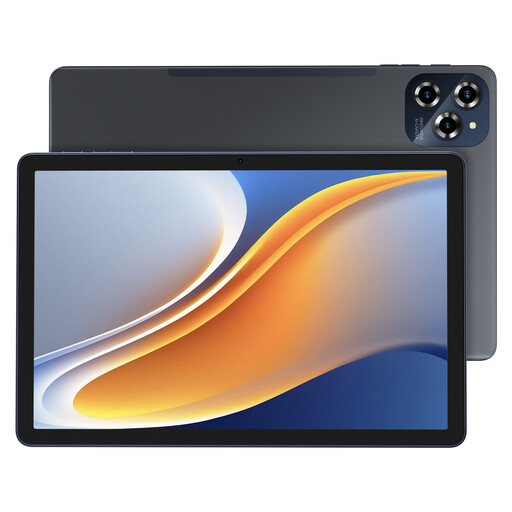 No image available
Consider this model if a passenger needs ticket access without relying on a phone hotspot.
The product name specifies an 11-inch screen, dual 4G SIM connectivity and 256 GB storage. Check compatibility with your intended UK mobile network and data plan, as well as the required ticket apps.
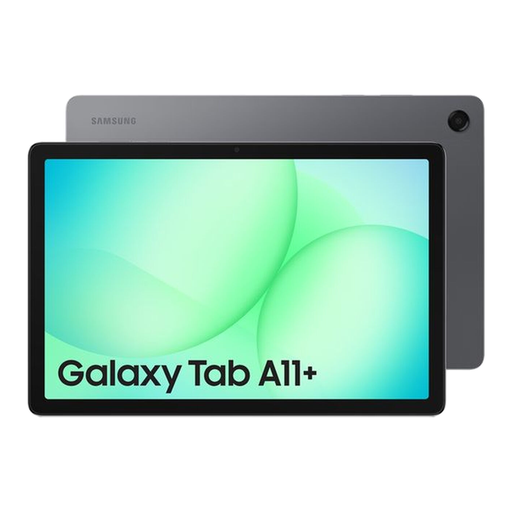 No image available
This Wi-Fi variant suits ticket viewing at planned stops when you can prepare access or use a tested hotspot.
The product name specifies 8 GB memory and 256 GB storage. Check case compatibility if the tablet will be handled frequently between the car and attractions.
 No image available
Consider the 10.1-inch format if you want a ticket screen to carry between planned stops and can prepare connectivity separately.
The product name specifies 256 GB storage. Confirm the exact display configuration and compatibility with the attraction’s ticket service before buying.
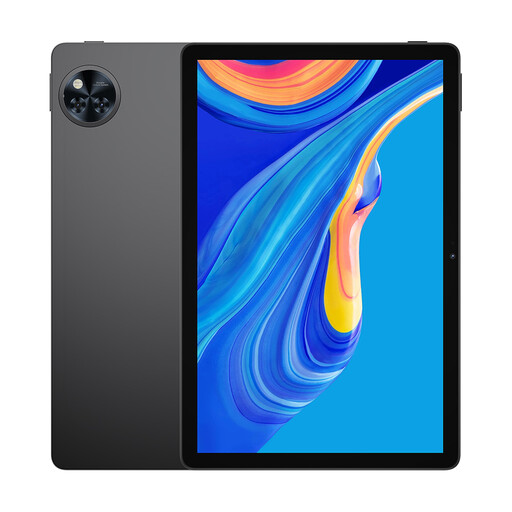 No image available
This 11-inch model is worth comparing for showing booking details at stops if you have a workable connection plan.
The product name specifies 256 GB storage and a 90 Hz IPS screen. If direct mobile access matters, confirm whether the exact variant supports it rather than relying on a hotspot as an unplanned fallback.
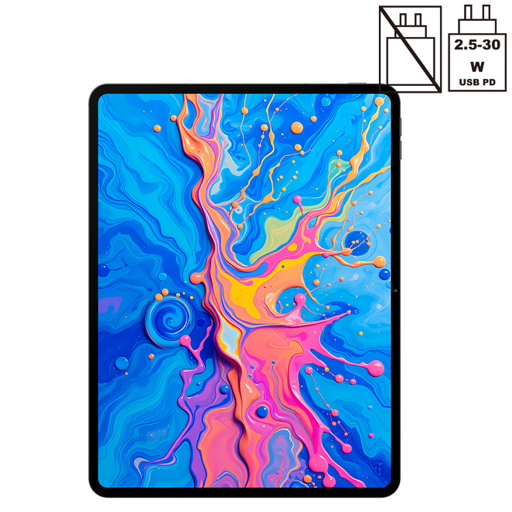 No image available
Consider this direct-data option if a passenger wants a larger ticket display and is comfortable carrying a 12.7-inch tablet at attractions.
The product name specifies a 2K display, 256 GB storage and dual-SIM 4G LTE. Check UK network compatibility, data-plan terms, weight and case options for this exact variant.
No. GOV.UK states that a driver must not hold and use a tablet while driving, including in traffic queues or at lights. Have a passenger handle the ticket, or wait until safely parked.
No. A mount does not give the driver permission to browse ticket apps while driving. GOV.UK says a hands-free device must not block the view of the road and traffic ahead, and the driver must remain in control.
Yes, if you can reliably prepare the tickets or use a tested hotspot when access is needed. If a passenger needs a connection independent of a phone, compare a cellular tablet and check its network compatibility, plan terms and coverage.
Check each attraction’s accepted ticket format and whether its app, pass or file works offline. Sign in and prepare tickets beforehand where permitted, and keep another accepted access method if the provider allows one.
Not necessarily. For routine car-to-entrance handling, compare standard tablets with compatible cases; consider model-specific protection when frequent outdoor, wet, dusty or rough handling is expected. Samsung’s stated Galaxy Tab Active5 drop claim depends on its bundled protective case.