
24/7 Customer Support

Free returns

Same-day & Next-day Delivery

Quality Guaranteed

Unlock Your Welcome Offers: FREE Delivery | Up to 80% OFF | Free 30-day JoyPlus trial
Download the APP
Navigating the personal care aisle for tampons can feel overwhelming. With promises of "ultimate comfort" and "eco-friendly" designs, it's easy to end up with a product that doesn't quite meet your needs or values. As a Joybuy Product Recommendation Officer, my role is to help you see past the marketing clutter and focus on what truly matters for your comfort, health and the environment. Many people find their purchases lead to discomfort or disappointment. Let's look at the common traps and how to sidestep them.
To ensure you're choosing a product that's right for you, focus on these three key parameters.
The core material of a tampon is the most critical factor for both comfort and health.
Tampon absorbency is standardised in the UK to help you choose the correct level for your flow. You will typically see these ratings on the packaging:
It is always recommended to use the lowest absorbency necessary for your flow and to change your tampon every 4-8 hours. This guidance is important for reducing the risk of Toxic Shock Syndrome (TSS), a rare but serious condition associated with tampon use.
Your choice of applicator has a direct impact on both ease of use and your environmental footprint.
Based on these practical criteria, here are some recommendations tailored to different user needs and preferences.
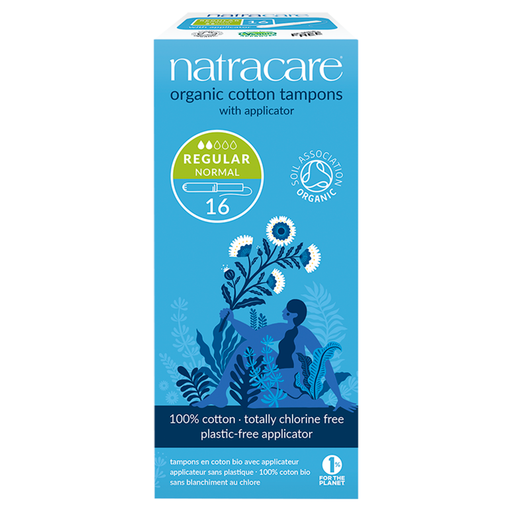
Why This Fits Their Persona: This user prioritises sustainability without compromising on convenience. They actively seek out products that are plastic-free and made from certified organic materials.
It directly counters the "greenwashing" pitfall with clear, verifiable credentials: 100% organic cotton and a plastic-free, compostable cardboard applicator. There is no ambiguity in its environmental claims.
Made from totally chlorine-free organic cotton, making it suitable for sensitive skin. The applicator is biodegradable, minimising environmental impact.
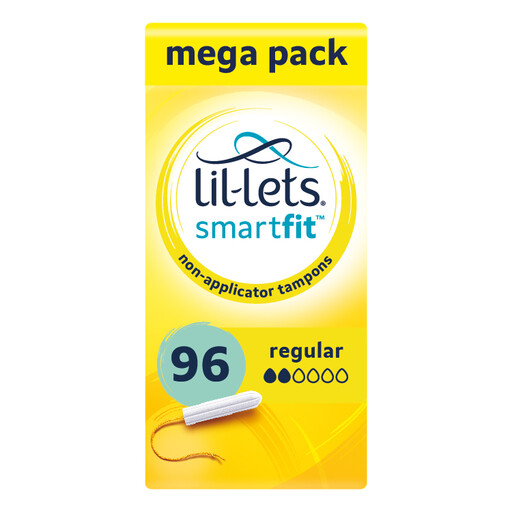
Why This Fits Their Persona: This user values discretion and efficiency. They need a reliable product that is small enough to fit in a pocket or small purse for use at work, the gym or while travelling.
It completely avoids the applicator dilemma. The non-applicator design is ultra-compact, produces minimal waste and removes the risk of dealing with uncomfortable or bulky applicators.
Extremely discreet and portable. The wrapper is certified compostable, offering a good balance of convenience and environmental consideration.
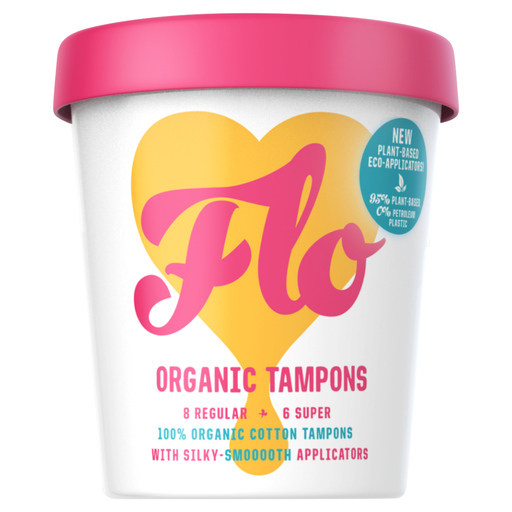
Why This Fits Their Persona: This user needs reliable, high-absorbency protection but is wary of the irritation that can come from synthetic materials. They seek a gentle, hypoallergenic option that still performs.
It avoids the material mismatch pitfall by using 100% organic cotton, which is naturally soft and breathable. The product is explicitly designed for sensitive skin, providing a gentle yet effective solution.
Features a smooth, BPA-free applicator for comfortable insertion and a compostable wrapper, balancing user comfort with environmental responsibility.
We have compiled a complete, real-time list of products that fully satisfy these strict selection criteria and UK safety regulations.
Yes, the difference lies in the material and cultivation. Certified organic tampons are made from cotton grown without synthetic pesticides, herbicides or fertilisers. They are also typically processed without chlorine (TCF), which makes them a preferred choice for individuals with chemical sensitivities or those who prioritise an agricultural system with a lower environmental impact.
No, you should not flush tampons down the toilet in the UK. The majority of UK homes are connected to wastewater systems that are not designed to break down tampon materials (cotton, rayon and especially plastic applicators). Flushing them can lead to blockages in your home's plumbing and contribute to "fatbergs" in public sewers. Always dispose of used tampons and applicators in a sanitary bin or general waste.
The standard recommendation is to change your tampon every 4 to 8 hours. You should never leave a tampon in for more than 8 hours. If you find you need to change it more frequently than every 4 hours, you may need to go up an absorbency level. Conversely, if it is uncomfortable to remove after 8 hours, you should use a lower absorbency. Following this guidance is a key step in reducing the risk of TSS.