
24/7 Customer Support

Free returns

Same-day & Next-day Delivery

Quality Guaranteed

Unlock Your Welcome Offers: FREE Delivery | Up to 80% OFF | Free 30-day JoyPlus trial
Download the APP
Navigating the tampon aisle, whether online or in-store, can feel overwhelming. With endless options promising superior comfort, leak-proof protection and eco-credentials, it's easy to end up with a product that doesn't quite meet your needs. As a Joybuy Product Recommendation Officer, my role is to help you see past the marketing jargon and make an informed choice. Many people find they've wasted money on products that fall short due to a few common, but often overlooked, pitfalls.
Here are the key issues UK shoppers frequently encounter:
To avoid these traps, it pays to understand the core components that define a tampon's performance and suitability for you.
Before adding any box of tampons to your basket, take a moment to check these three non-negotiable factors. They will have the biggest impact on your comfort, safety and satisfaction.
The material of a tampon directly affects its absorbency, comfort and suitability for sensitive skin.
This choice is largely down to personal preference, but it has implications for convenience and environmental impact.
Using the correct absorbency is crucial not only for preventing leaks but also for your health. Using a tampon that is too absorbent for your flow can increase the risk of Toxic Shock Syndrome (TSS). Always use the lowest absorbency needed to manage your flow.
Based on these practical criteria, we've matched some standout products to different user needs.
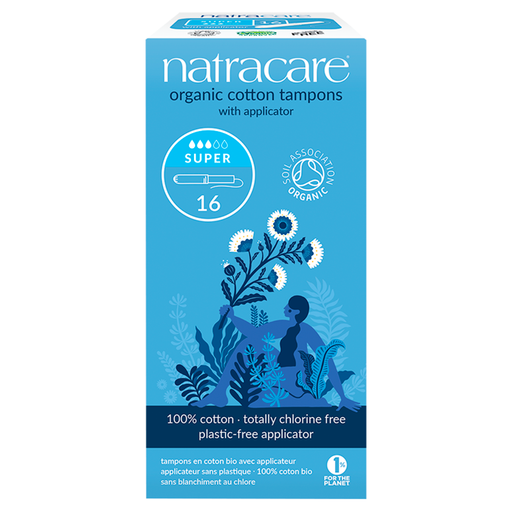
Why This Fits Their Persona: Ideal for the eco-conscious user in the UK who wants the convenience of an applicator without the plastic waste. It aligns with a lifestyle focused on reducing environmental impact.
This product avoids the "greenwashing" pitfall. It is genuinely plastic-free, with a 100% organic cotton tampon and a biodegradable cardboard applicator, making it a truly eco-friendly tampon.
GOTS certified organic cotton is gentle on sensitive skin. The entire product, including the applicator, is compostable and biodegradable.
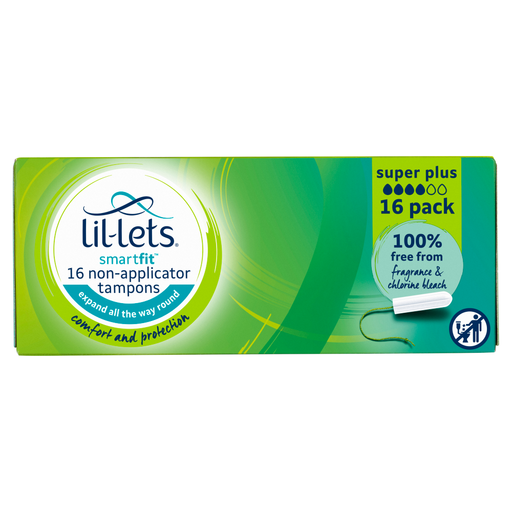
Why This Fits Their Persona: For those who need reliable, high-performance protection for a very heavy flow. This user prioritises leak prevention and comfort above all else.
It directly counters the absorbency mismatch pitfall. The unique SmartFit technology expands widthways to fit the body's natural shape, providing a better seal against leaks compared to tampons that just expand lengthways.
Specifically designed as a super plus tampon for heavy flow. The non-applicator design is also discreet and reduces waste.
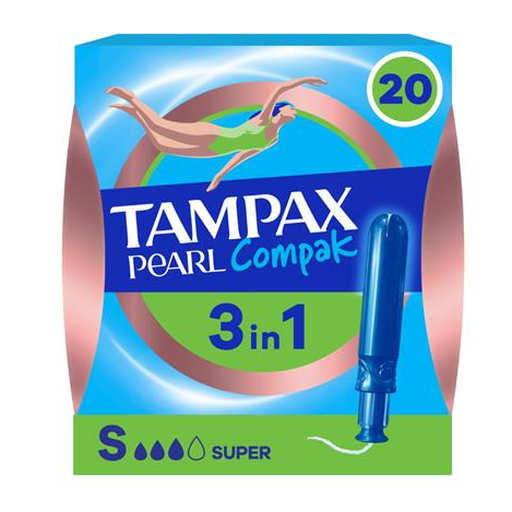
Why This Fits Their Persona: Perfect for busy individuals who need a discreet, reliable and easy-to-use option. The compact applicator is ideal for carrying in a handbag for quick changes throughout the day.
This product focuses on user experience. It avoids the discomfort of poorly designed applicators by providing a SmoothTouch compact applicator with an anti-slip grip, making insertion comfortable and straightforward.
Features MotionFit technology that adapts to the body's shape for comfort and a LeakGuard braid for extra protection. The wrappers are purse-resistant and open silently for discretion.
We have compiled a complete, real-time list of products that fully satisfy these strict selection criteria and UK safety regulations.
For both hygiene and safety, it is recommended to change your tampon every 4 to 8 hours. You should never leave a tampon in for more than 8 hours. If you find you need to change it more frequently than every 4 hours, you may need to go up an absorbency level. Conversely, if it's uncomfortable to remove after 8 hours, you should use a lower absorbency.
Yes, buying in bulk is an excellent way to save money and ensure you're always stocked up. Many online retailers, including Joybuy, offer multi-packs and bulk options. For example, products like the Lil-Lets Non-Applicator Tampons Super 6x16 Tampons provide a large quantity in a single purchase, which is often more cost-effective than buying individual boxes.
The main difference lies in the material and how it's processed. Organic cotton tampons are made from cotton grown without the use of synthetic pesticides or herbicides. They are also typically processed without chlorine bleach, which eliminates the risk of dioxin residue. Regular tampons are often made from a blend of cotton and rayon (viscose) and may be bleached with chlorine. For those with chemical sensitivities or who prefer a more natural product, organic cotton is often the preferred choice.