
24/7 Customer Support

Free returns

Same-day & Next-day Delivery

Quality Guaranteed

Unlock Your Welcome Offers: FREE Delivery | Up to 80% OFF | Free 30-day JoyPlus trial
Download the APP
Navigating the period care aisle can feel overwhelming. With shelves lined with countless options, it's easy to fall for marketing buzzwords or choose a product that doesn't quite meet your needs. As a Joybuy Product Recommendation Officer, my role is to help you cut through the clutter and make informed choices. Many people find their initial purchase leads to discomfort, waste or a mismatch for their flow, often due to a few common pitfalls.
One frequent issue is the vague "natural" label. Products are often marketed as gentle or pure, but without clear certifications, these terms can be misleading. Another common problem is the applicator-versus-no-applicator debate. Choosing the wrong type can mean the difference between a comfortable, easy experience and a frustrating one, not to mention the environmental impact of your choice. Finally, misunderstanding absorbency levels can lead to either inconvenient leaks or unnecessary risks, making it crucial to get it right.
This guide will break down the essential factors to consider, helping you select a tampon that aligns with your body, lifestyle and values.
To avoid buyer's remorse, focus on these core parameters. They are the non-negotiable details that determine a tampon's performance, comfort and suitability for you.
The material of a tampon is fundamental to its function and how it feels. The most common options you'll encounter are:
This choice comes down to personal preference, convenience and environmental considerations.
Using the correct absorbency is vital for both leak prevention and safety. In the UK, absorbency is standardised to help you choose consistently across brands.
The guiding principle is to always use the lowest absorbency necessary for your flow. You should be changing your tampon every 4 to 8 hours. If it becomes saturated in under 4 hours, you may need a higher absorbency. If it's uncomfortable to remove after 8 hours, you should try a lower one.
To simplify your decision, we've matched some reliable options to common user needs.
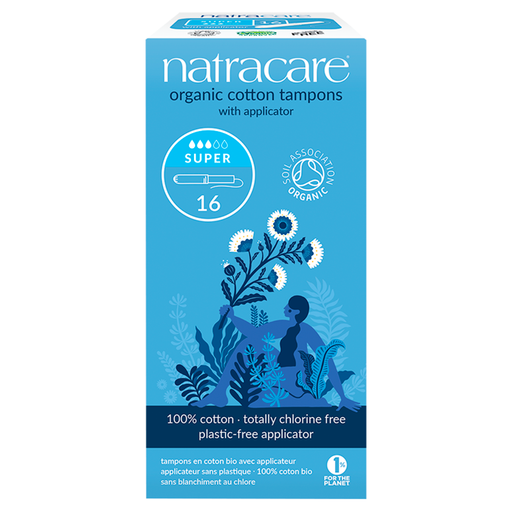
Why This Fits Their Persona: This user prioritises sustainability and health, seeking products that are kind to their body and the planet. This tampon is ideal for those living in the UK who want to minimise their plastic waste and avoid synthetic materials and chemicals in their period care.
It cuts through "natural" marketing claims with 100% GOTS certified organic cotton and a totally chlorine-free process. It also solves the applicator dilemma by providing a biodegradable cardboard applicator, avoiding plastic entirely.
Plastic-free, perfume-free and fully compostable. Made with certified organic cotton, ensuring no pesticides or synthetic additives.
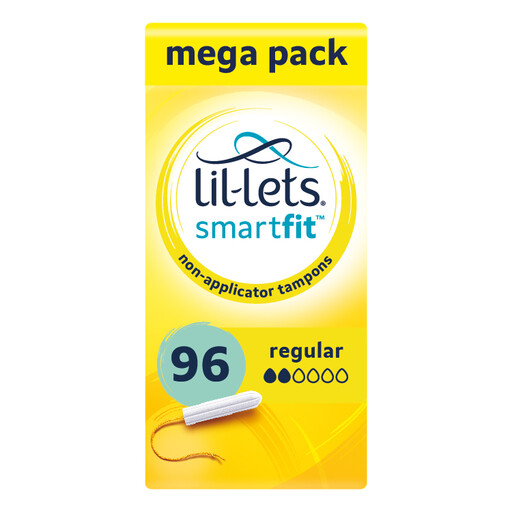
Why This Fits Their Persona: For the busy student, commuter or traveller, discretion and convenience are key. This user needs a reliable product that can be easily carried in a small purse, gym bag, or even a pocket without taking up space.
This product sidesteps the bulky applicator issue entirely. Its non-applicator compact design is the ultimate solution for portability and discreet use, eliminating the waste and space of traditional applicators.
Extremely compact and individually wrapped for hygienic, portable use. The multi-pack format also offers great value and convenience.
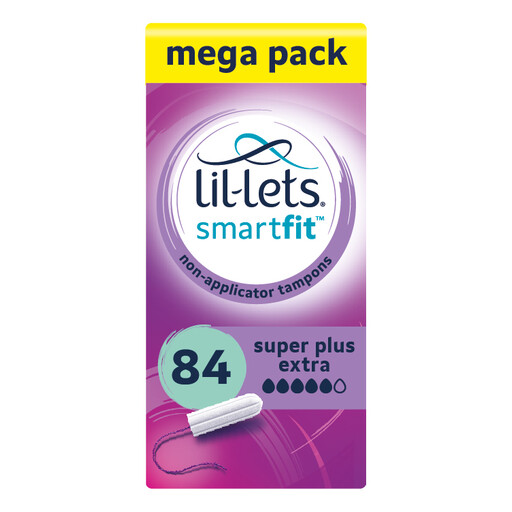
Why This Fits Their Persona: This user needs maximum confidence and protection on their heaviest flow days. They cannot afford leaks and require a product specifically engineered for high absorbency without compromising on comfort or discretion.
It eliminates absorbency guesswork with its clear Super Plus Extra rating, designed specifically for very heavy flow. This ensures users get the high-level protection they need, avoiding the pitfall of using a standard tampon on a heavy day.
Engineered for maximum absorption with a premium viscose core to lock in fluid. Despite its power, it remains a discreet non-applicator design.
We have compiled a complete, real-time list of products that fully satisfy these strict selection criteria and UK safety regulations.
The best approach is to start with a 'Regular' absorbency. A key indicator is how long it lasts. You should aim to change your tampon every 4 to 8 hours. If you find it is fully saturated in less than 4 hours, you should move up to the next absorbency level (e.g., Super). Conversely, if it is still mostly dry and uncomfortable to remove after 6-8 hours, you should choose a lower absorbency. It's common to use different absorbencies on different days of your period.
While "better" is subjective, organic tampons offer clear, factual benefits. They are made from cotton grown without synthetic pesticides and are not processed with chlorine, which prevents potential exposure to these chemicals. For individuals with sensitive skin or those who prefer to minimise their contact with synthetic materials and agricultural chemicals, they are an excellent option.
No, you should never flush tampons, applicators (cardboard or plastic) or wrappers down the toilet. The UK's sewage systems are not designed to handle them, and they do not break down like toilet paper. Flushing them can cause serious blockages in your home's plumbing and contribute to major environmental problems in our waterways, including the formation of 'fatbergs'. Always wrap used tampons and dispose of them in a sanitary bin or with your general household waste.