
24/7 Customer Support

Free returns

Same-day & Next-day Delivery

Quality Guaranteed

Unlock Your Welcome Offers: FREE Delivery | Up to 80% OFF | Free 30-day JoyPlus trial
Download the APP
For many of us in the UK, the simple act of brewing a cup of tea is a cherished daily ritual. Yet, when you decide to buy tea online, the sheer variety can be overwhelming. From classic black tea bags to exotic herbal infusions, the digital shelves are packed with options. Unfortunately, not all tea bags are created equal, and it's easy to end up with a brew that’s more disappointing than delightful.
As a Joybuy Product Recommendation Officer, my role is to help you navigate the market. We'll look past the clever packaging and marketing claims to focus on what truly makes a satisfying cup of tea. Let's start by identifying a few common pitfalls that can lead to a poor purchase.
To avoid these issues and ensure you get value for your money, it helps to know what to look for. Focusing on a few key parameters can transform your tea-buying experience from a game of chance to a confident choice.
The size of the tea leaves inside the bag is a primary indicator of quality. Many premium brands now use pyramid-shaped bags, which are not just for show. They allow room for larger, rolled whole leaves to unfurl and infuse properly, releasing their full spectrum of flavours. Traditional flat, paper tea bags are often filled with smaller particles or dust. While perfectly fine for a quick, strong brew, they can sometimes lack the aromatic complexity of whole-leaf teas.
For black tea bags, the blend is everything. A classic like English Breakfast is typically a robust mix of teas from different regions, such as Assam (known for its malty strength) and Ceylon (known for its crisp brightness). Brands like Yorkshire Tea and Twinings have built their reputations on the consistency of these blends.
When choosing green tea bags or herbal tea, check the ingredients list. Look for specific, recognisable ingredients like "Japanese green tea," "peppermint" or "echinacea root" listed with their percentages. This transparency is a good sign that the flavour comes from the ingredients themselves, not just added flavourings.
If you enjoy a cup in the evening, look for teas that specify their decaffeination method. The CO? decaffeination process is widely regarded as a superior technique. It uses natural carbon dioxide to gently remove caffeine while preserving the delicate oils and compounds that give the tea its flavour and aroma. This results in a decaf tea that tastes remarkably close to its caffeinated counterpart.
To help you choose, we've matched a few standout options to different tea-drinking preferences.
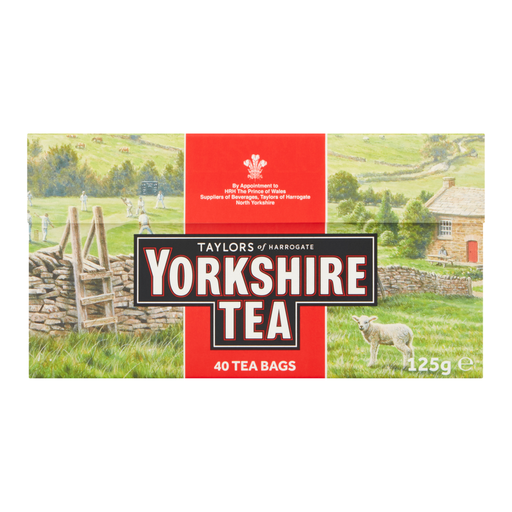
Why This Fits Their Persona: For the person who wants a consistently strong, satisfying and no-nonsense "proper brew" to start their day. It's a reliable British classic for a reason.
This blend avoids the "dust" trap by using a carefully selected mix of quality leaves from specific regions in Africa and India, ensuring a robust and balanced flavour, not just bitterness.
A big, refreshing flavour from a blend of Assam and African teas. The company is also 100% Carbon Neutral and focuses on ethical sourcing.
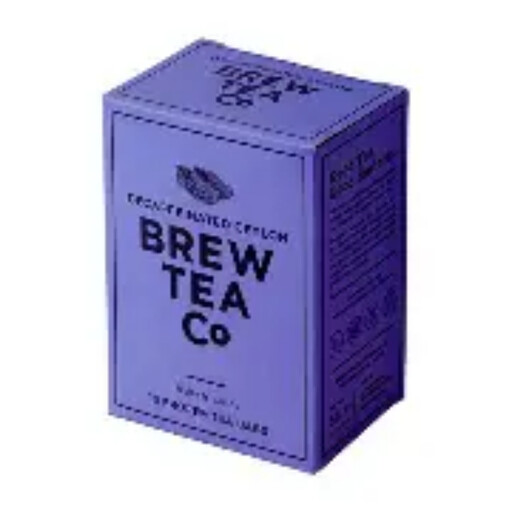
Why This Fits Their Persona: Ideal for the tea lover who refuses to compromise on flavour but wants to cut down on caffeine, especially for a relaxing evening brew.
This directly solves the "decaf dilemma" by using the superior CO? decaffeination method. This preserves the tea's natural flavour compounds, avoiding the weak or chemical taste of other decafs.
Uses whole-leaf Ceylon black tea in biodegradable pyramid bags, delivering a full-bodied, malty flavour that is rare in decaffeinated tea.
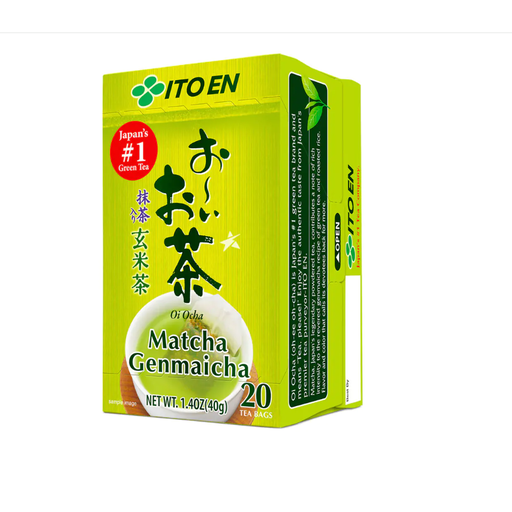
Why This Fits Their Persona: Perfect for those looking to explore authentic green teas beyond the standard offering. The combination of green tea with roasted rice and matcha provides a unique, savoury flavour experience.
This sidesteps the "vague flavouring" trap entirely. The ingredients are clear and authentic: Roasted Rice (60%), Green Tea and Matcha (3%). The nutty, satisfying taste is genuine.
An authentic Japanese Genmaicha experience. The combination of toasted rice and matcha powder creates a comforting, nutty and slightly sweet flavour profile that is very different from typical green tea.

Why This Fits Their Persona: For those who want more from their cup than just flavour. This is a comforting, caffeine-free herbal tea with added ingredients chosen to support wellbeing.
This blend is transparent about its functional ingredients, clearly stating it contains Echinacea Root (10%) and is enriched with Vitamin D, moving beyond vague wellness claims.
A naturally caffeine-free fruit tea with a pleasant blackcurrant and raspberry flavour. It is fortified with Vitamin D, which contributes to the normal function of the immune system.
We have compiled a complete, real-time list of products that fully satisfy these strict selection criteria and UK safety regulations.
Yes, they represent a positive step. Many conventional tea bags are sealed with polypropylene, a plastic that is not biodegradable. Plant-based tea bags, often made from materials like corn starch, are designed to be fully biodegradable in industrial composting. This reduces plastic waste, and brands like Morrisons have noted this switch saves a significant amount of plastic per year.
Brewing time has a huge impact on flavour. Here are some general guidelines:
Both are popular black teas, but their flavour profiles are distinct. English Breakfast is a straightforward, strong and malty blend of different black teas, designed to be enjoyed with milk and sugar. Earl Grey is a black tea (often a lighter one like Ceylon) that has been infused with the oil of bergamot, a citrus fruit. This gives it a distinctive floral and citrusy aroma and taste.