
24/7 全天候客户支持

免费退货

当日/次日达

品质保障

开启新人专享福利: 全场免邮 | 低至 2 折 | 免费试用 30 天 JoyPlus 会员
下载 Joybuy
As a Joybuy Product Recommendation Officer, my role is to help you navigate the crowded market of kitchen essentials. A seemingly simple item, the humble tea towel, often comes with hidden frustrations. Many of us have bought a beautiful set only to find they smear water, shrink to the size of a flannel or fade after a single wash. This guide will break down what really matters, helping you choose kitchen towels that are both functional and stylish for your UK home.
Before you add another set of disappointing dish cloths to your basket, let's look at the common issues that lead to buyer's remorse.
To ensure your next purchase is a lasting one, focus on these key parameters. They are the true indicators of quality, far more than marketing buzzwords.
The material is the most critical factor for an absorbent tea towel. While 100% cotton tea towels are the standard for good reason, the type of weave makes a significant difference.
A reliable tea towel needs to withstand the rigours of a busy kitchen. Check for these features:
To help you choose, we've matched some options to different household needs, focusing on products that address the common pitfalls.
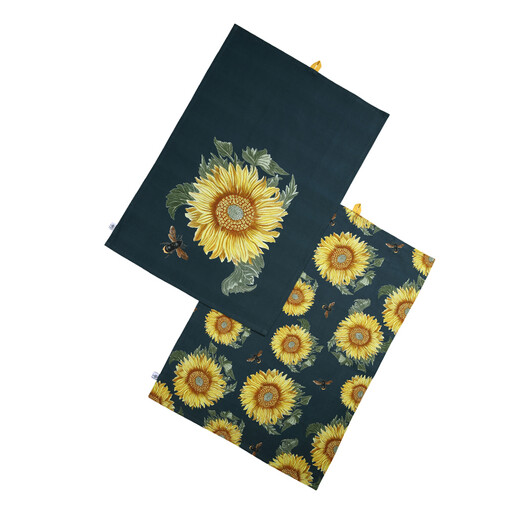
Why This Fits Their Persona: For those who see their kitchen as an extension of their home's style, this tea towel set offers a beautiful botanical print sourced from the Royal Horticultural Society archives. It adds a touch of elegance and a coordinated look, perfect for when guests are over.
The product description notes the use of high-quality, fade-resistant inks, directly addressing the "first-wash fade" pitfall. As a Dexam product, the 100% cotton is selected for kitchen textile performance, ensuring good absorbency.
Features an official RHS design for a unique, artistic look. Comes as a set of two for a cohesive kitchen style and includes a practical hanging loop.
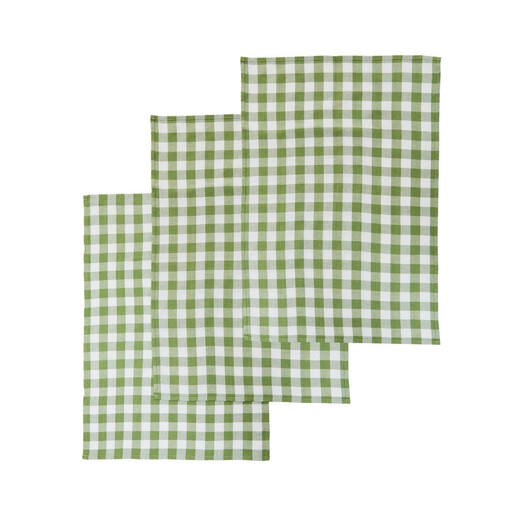
Why This Fits Their Persona: This user needs a reliable workhorse for daily kitchen tasks. This set of three pure cotton dish cloths prioritises function. The classic check design is timeless and the focus is on absorbency and durability for heavy use.
It is described as "highly absorbent" and features "fine hemming for a polished and long-lasting finish". This directly counters the pitfalls of smearing water and losing shape after washing.
Comes in a practical set of three, offering great value. The pure cotton fabric is designed for softness and durability, making it a dependable choice for everyday kitchen chores.
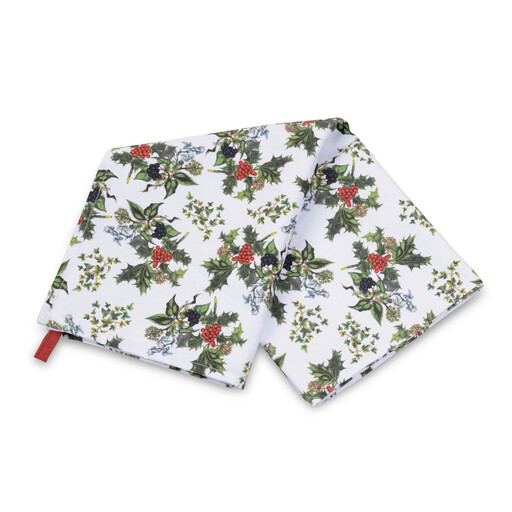
Why This Fits Their Persona: Perfect for those who love to embrace the festive season. This tea towel from the renowned Portmeirion brand combines everyday utility with a classic Christmas design, serving as both a functional tool and a piece of seasonal décor.
Coming from a respected homeware brand like Portmeirion, the 100% cotton is selected for durability and absorbency. It is designed for "repeated washing", suggesting it will hold its shape and function well beyond a single season.
Features a timeless botanical illustration that complements traditional and modern kitchens. The generous 70 x 95 cm size provides ample coverage for various kitchen tasks.
We have compiled a complete, real-time list of products that fully satisfy these strict selection criteria and UK safety regulations.
New tea towels often have a coating from the manufacturing process that can hinder absorbency. To improve them, always wash them before their first use. A warm wash cycle is usually sufficient. Crucially, avoid using fabric softener, as it coats the fibres and reduces their ability to absorb water.
Historically, tea towels were made from lint-free linen and used for the delicate task of drying fine china and tea sets. Kitchen towels were more general-purpose, often made of absorbent terry cloth for spills and drying hands. Today, in the UK, the terms are largely interchangeable. However, you may still find that "tea towel" refers to a flat-weave cotton or linen cloth for drying dishes, while "kitchen towel" might encompass a wider variety of kitchen textiles.
For hygiene, it is advisable to change your tea towel daily or whenever it becomes noticeably damp or soiled. Damp cloths are a breeding ground for bacteria. Wash them on a warm or hot cycle (check the care label) with your regular detergent to keep them clean and fresh.