
24/7 Customer Support

Free returns

Same-day & Next-day Delivery

Quality Guaranteed

Unlock Your Welcome Offers: FREE Delivery | Up to 80% OFF | Free 30-day JoyPlus trial
Download the APP
From busy weeknight meals to a well-stocked pantry, tinned food is a cornerstone of the modern British kitchen. These cupboard essentials offer convenience, long-life and value. However, not all canned goods are created equal. Navigating the supermarket aisle or browsing online can lead to purchases that disappoint in quality or are not as healthy as their labels suggest.
Many of us have been caught out. You open a tin of fruit expecting a healthy snack, only to find it swimming in a sugary syrup. You plan a meal around tinned meat, but the contents are a fraction of what the tin size promised. These common pitfalls not only waste money but also compromise the quality of your meals. The key is to know what to look for beyond the colourful label.
To ensure you are getting the best value and quality, it pays to become familiar with a few key details. Focusing on these non-negotiable factors will help you select the right long-life food for your household.
The liquid inside the can—be it brine, syrup, juice, or oil—significantly affects the nutritional profile and taste.
The net weight displayed on the front of a can includes both the food and the liquid it is packed in. For a true comparison of value, especially with items like canned fish or fruit, you should look for the drained weight. This figure, often found in smaller print on the back, tells you exactly how much of the actual product you are paying for. A cheaper tin might seem like a bargain until you realise it contains significantly less food and more water.
Whether you buy tinned food online or in-store, the condition of the can is paramount. Never use a can that is heavily dented (especially on the seams), bulging or shows signs of rust. A compromised can may indicate a breach in the seal, which can lead to spoilage and the risk of foodborne illness. Always check the best before date to ensure you are getting a product with a long shelf life, perfect for stocking up your pantry staples in the UK.
To help you make informed choices, we have matched some reliable options to different household needs, ensuring they meet the practical criteria discussed above.
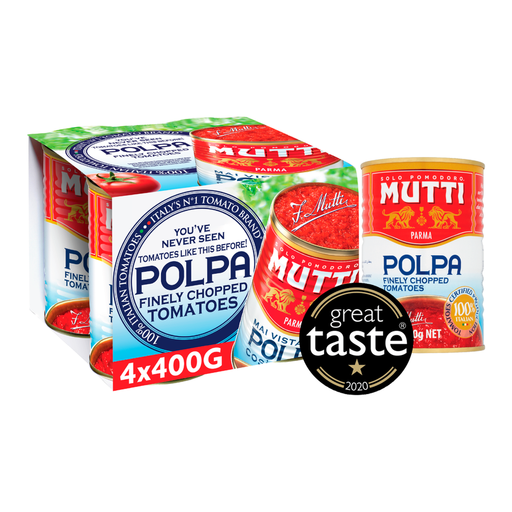
Why This Fits Their Persona: For busy families, having a reliable base for pasta sauces, chillies and stews is essential. These tinned tomatoes provide a consistent, high-quality foundation for countless quick and wholesome meals.
It avoids the pitfall of watery, flavourless tomatoes. The high tomato content (99.8%) ensures a rich, thick texture and authentic taste, meaning you are not just paying for water.
Made from sun-ripened Italian tomatoes with a simple ingredients list (tomato and salt). The finely chopped texture is versatile for both long-cook and quick recipes.

Why This Fits Their Persona: An affordable, high-protein staple that is perfect for quick lunches like jacket potatoes, pasta bakes or sandwiches. This canned fish is an affordable way to create a filling meal with minimal effort.
Packed in spring water, it avoids the hidden calories and fats of oil-packed tuna and the high sodium of brine. The ingredients are simple and clear: tuna, spring water and salt.
A great source of lean protein (25g per 100g drained). The multi-pack format offers good value and ensures the pantry is always stocked for a quick meal.
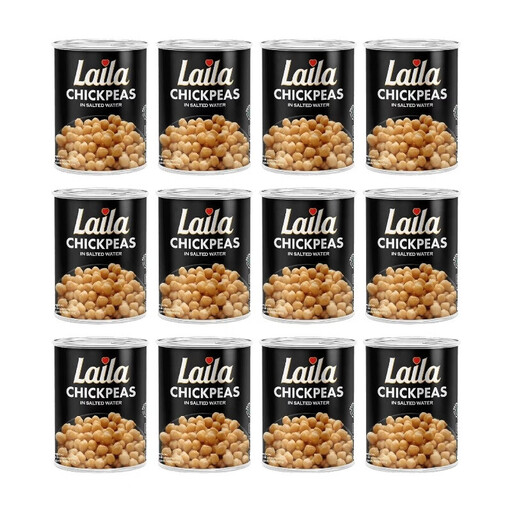
Why This Fits Their Persona: For those who prioritise nutrition, chickpeas are a fantastic cupboard essential. They are a versatile ingredient for making hummus, bulking up salads or adding to curries for a plant-based protein and fibre boost.
These chickpeas come with a very clean ingredient list: chickpeas, water, salt and an antioxidant. They are naturally low in fat and sugar, avoiding the hidden additives found in some processed canned goods.
High in fibre and a source of protein, they count as one of your 5-a-day. Being ready-to-use saves the time and effort of soaking and cooking dried chickpeas.
We have compiled a complete, real-time list of products that fully satisfy these strict selection criteria and UK safety regulations.
Is it safe to eat food from a dented can? It is advisable to avoid cans with significant dents, particularly on the top, bottom or side seams. Sharp or deep dents can create microscopic cracks in the can's lining, potentially allowing bacteria to enter and spoil the food. Likewise, any can that is bulging or leaking should be discarded immediately as it is a sign of spoilage.
How should I store opened canned goods? Once a can is opened, the food should not be stored in the original metal tin. The metal can react with the food once exposed to air, imparting a metallic taste and potentially leaching metals into the contents. Transfer any leftovers to a glass or plastic airtight container, refrigerate promptly and consume within two to three days.
Do I need to rinse canned vegetables? For vegetables and beans packed in salted water (brine), giving them a quick rinse under cold water before use is a good practice. This can help to wash away a significant portion of the added sodium, making your meal healthier without affecting the texture or flavour of the food.