
24/7 Customer Support

Free returns

Same-day & Next-day Delivery

Quality Guaranteed

Unlock Your Welcome Offers: FREE Delivery | Up to 80% OFF | Free 30-day JoyPlus trial
Download the APP
A well-stocked pantry offers peace of mind, and tinned fruit is a cornerstone of convenience for many UK households. It provides a quick-fix for dessert, a sweet addition to breakfast or a simple snack. However, the seemingly straightforward aisle of canned fruit holds a few common pitfalls that can lead to disappointing meals and wasted money. Before you fill your basket, it's worth knowing what to look for.
As a Product Recommendation Officer at Joybuy, my role is to help you navigate these choices. This guide cuts through the clutter to focus on what truly matters, ensuring the tinned fruit you buy is exactly what you need, whether it's for a quick family treat or a carefully planned baking project.
Stocking up on long-life fruit should be simple, but a few frequent missteps can turn a convenient purchase into a cupboard regret.
To avoid these issues, a quick check of the label for a few key details can make all the difference. Focusing on these parameters ensures you get the quality and type of product you expect.
The liquid the fruit is preserved in is the single most important factor for taste, texture and health considerations.
Always look for the drained weight on the label, which is often listed in the nutritional information or small print. The net weight includes the liquid, but the drained weight tells you exactly how much solid fruit is in the can. This is crucial when you're fruit for baking, as recipes like tarts, crumbles and cakes depend on accurate fruit quantities. A can with a higher drained weight offers better value for money.
Consider how you plan to use the fruit. The way it's prepared can save you significant time and effort.
Based on these practical considerations, here are a few recommendations from our catalogue, matched to different household needs.
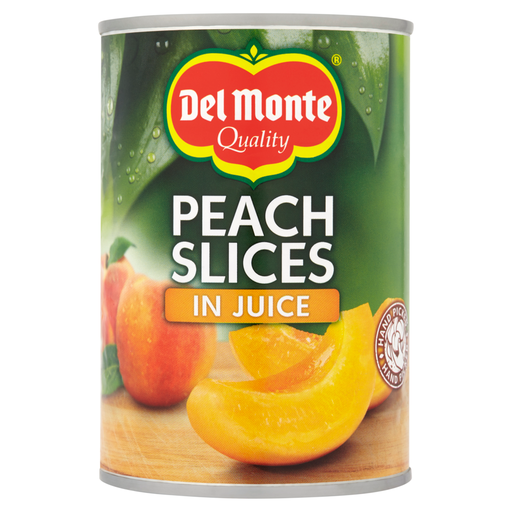
Why This Fits Their Persona: This is for the person who wants a quick, sweet-tasting snack or breakfast topping without the high sugar content of syrup. The peaches are conveniently pre-sliced and ready to add to porridge, yoghurt or enjoy on their own.
It directly solves the "Syrup vs. Juice" pitfall by using clarified pineapple juice instead of sugar syrup, resulting in a lighter taste and lower sugar content (11g per 100g).
The fruit's natural flavour is preserved, not masked by heavy syrup. The slices are convenient for quick meal preparation.
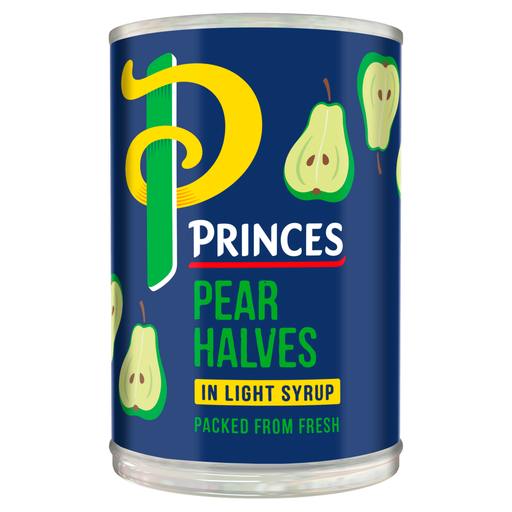
Why This Fits Their Persona: Perfect for someone planning to bake a pear tart, frangipane or an upside-down cake. The uniform halves are ready for decorative placement, saving the time and effort of peeling, coring and poaching fresh pears.
This product avoids the "Fruit Cocktail Gamble" by providing a single, specific fruit in a predictable format. The baker knows exactly what they are getting for their recipe, ensuring consistent results.
The pear halves hold their shape well, making them ideal for baking where presentation matters. The syrup can also be used to create a glaze.
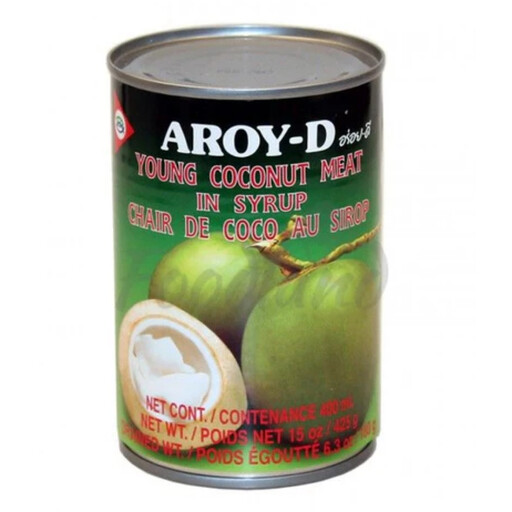
Why This Fits Their Persona: For the home cook looking to recreate Southeast Asian desserts like halo-halo or add an authentic tropical twist to smoothies and ice cream. This offers a unique ingredient that is difficult to prepare from fresh.
As a specialty item, it bypasses the generic pitfalls. It delivers a specific, sought-after ingredient—tender young coconut meat—providing a consistent and authentic product for niche recipes.
Provides the soft, delicate texture of young coconut without the hassle of opening and scraping a fresh coconut. It's a convenient gateway to authentic tropical desserts.
We have compiled a complete, real-time list of products that fully satisfy these strict selection criteria and UK safety regulations.
While the heating process in canning can reduce the levels of some water-soluble vitamins like vitamin C, tinned fruit retains most of its fibre, minerals and other beneficial compounds. It remains a very convenient and effective way to contribute to your 5 a day. Choosing fruit packed in its own juice rather than syrup is a simple way to keep the sugar content down.
Once a can is opened, you should transfer any unused fruit and its liquid to a non-metallic, airtight container such as a glass jar or plastic tub. Stored in the refrigerator, it will typically stay fresh for 2 to 4 days. Always check the product label for specific storage instructions.
Absolutely. The juice from cans of fruit in juice is perfect for adding to smoothies, breakfast bowls or even as a drink. The syrup from other varieties can be used to sweeten desserts, create a glaze for baked goods or add to cocktails, but be mindful of its high sugar content and use it in moderation.