As a staple in many UK kitchen cupboards, tinned tuna offers a convenient and affordable source of protein. Whether for a quick work-from-home lunch, a post-gym meal or a simple family dinner, its versatility is hard to match. However, with options ranging from solid chunks to fine flakes and single tins to multipacks, choosing the right product for your needs can feel surprisingly complex.
This guide is designed to help you navigate the choices. We will look at the key factors to consider when shopping for tinned tuna in brine and highlight a few dependable options available, helping you stock your pantry with confidence.
How to Choose the Right Canned Tuna in Brine
Before filling your basket, a few considerations can ensure you get the best fit for your meals and lifestyle.
1. Texture: Tuna Chunks vs. Flaked Sandwich Tuna
The texture of the tuna has a significant impact on its use in the kitchen.
- Tuna Chunks: These are larger, firmer pieces of fish that hold their shape well. This makes them an excellent choice for salads, pasta bakes and dishes where you want a more substantial, meaty texture. The firm pieces mix well with other ingredients without turning to mush.
- Flaked Sandwich Tuna: This type consists of smaller, finer flakes that are softer and easier to mash or mix. As the name suggests, it is perfect for creating smooth sandwich fillings, creamy dips or toppings for jacket potatoes. Its texture allows it to blend seamlessly with mayonnaise or other dressings.
2. Pack Size: Singles vs. Multipacks
Your purchasing decision may also depend on how frequently you use tuna.
- Single Tins: Ideal for individuals, smaller households or for those who use tuna less frequently. They allow you to buy exactly what you need, reducing potential waste.
- Multipack Tuna: A cost-effective solution for families or anyone who eats tuna regularly. Buying in bulk often provides better value per tin and ensures you always have this convenient high protein tinned fish on hand for quick meal planning.
3. Reading the Label
Tuna in brine is known for its simple ingredients list, typically just tuna, water and salt. It is naturally high in protein and lower in fat compared to tuna stored in oil. Checking the nutritional information for protein and salt content can help you align your choice with your dietary preferences.
Recommended Tinned Tuna in Brine
Here are our recommendations, selected to suit a variety of common uses and preferences.
John West No Drain Tuna Chunks In Brine 3 x 100g

- Why It Stands Out: The primary appeal is convenience. The 'No Drain' feature means you can add the tuna directly to your dish without the need for draining, saving time and reducing mess.
- Pros:
- High Protein: Contains 27g of protein per 100g.
- No Draining Required: A significant time-saver for quick meals.
- Firm Chunks: The texture holds up well in a tuna for salad or pasta.
- Who is it for? This is an excellent option for busy professionals, parents or anyone seeking maximum convenience for a quick, high-protein lunch or dinner.
John West Tuna Chunks In Brine 125g
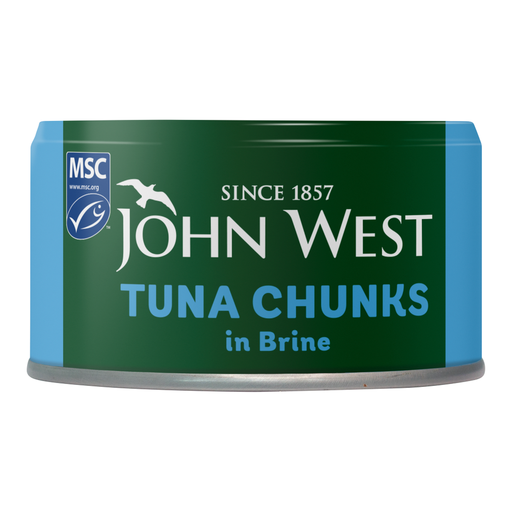
- Why It Stands Out: This is a classic, reliable single-tin offering. It provides the familiar quality and texture of tuna chunks in a standard serving size, making it a versatile pantry staple.
- Pros:
- Solid Protein Source: Provides 25g of protein per 100g.
- Versatile Texture: The firm chunks are suitable for a wide range of recipes.
- Single Serving: The 125g tin is a practical size for individual meals.
- Who is it for? Individuals or those who prefer to buy groceries on a meal-by-meal basis. It is a dependable choice for anyone needing a single portion of canned tuna in brine.
Princes Sandwich Tuna In Brine 3 x 140g
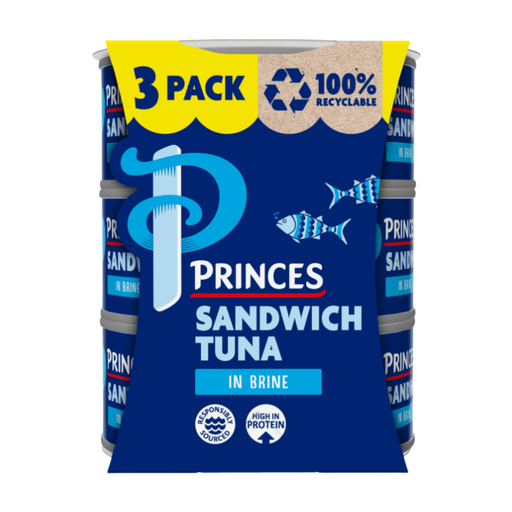
- Why It Stands Out: This product is specifically prepared for sandwich making. The tuna is finely flaked, which allows it to be mixed into a smooth, spreadable consistency with minimal effort.
- Pros:
- Ideal for Fillings: The soft, flaked texture is perfect for sandwiches, jacket potatoes and dips.
- Value Multipack: The three-can pack offers good value for regular use.
- Good Protein Content: Contains 23.5g of protein per 100g.
- Who is it for? Families preparing packed lunches or anyone who primarily uses tuna for sandwich fillings will find this flaked sandwich tuna particularly useful.
Looking for Other Options?
Tuna is just one of many convenient tinned fish options. If you are interested in exploring other varieties like salmon, mackerel or sardines, you can find a wider selection to stock your cupboards.
? Explore our full range of Fish in Brine
Frequently Asked Questions
1. Is tinned tuna in brine a healthy choice? Tinned tuna in brine is a source of high-quality protein and is low in fat. The brine is a simple solution of water and salt used for preservation. It can be a valuable part of a balanced diet, especially for those seeking convenient protein sources. As with any food, it is best consumed in moderation as part of a varied diet.
2. What is the difference between tuna in brine, oil and spring water? The liquid the tuna is packed in affects its flavour, texture and nutritional profile.
- Brine: Salt water. It preserves the tuna's natural flavour while adding minimal calories.
- Oil: Usually sunflower or olive oil. It adds moisture and a richer flavour, but also increases the fat and calorie content.
- Spring Water: The most neutral option. It has the least impact on the tuna's natural taste and adds no extra calories or salt beyond what is in the fish itself.
3. Can I eat canned tuna in brine straight from the tin? Yes, all commercially canned tuna is cooked during the canning process and is ready to eat directly from the tin, making it a safe and convenient option for no-cook meals.
Written by the Joybuy Product Recommendation Officer


