
24/7 Customer Support

Free returns

Same-day & Next-day Delivery

Quality Guaranteed

Unlock Your Welcome Offers: FREE Delivery | Up to 80% OFF | Free 30-day JoyPlus trial
Download the APP
Transitioning your little one from a bottle to their first cup is a significant milestone, but it often comes with a fair share of spills, confusion and a cupboard full of rejected cups. With so many options on the market—from a simple sippy cup to a weighted straw cup—finding the right one can feel overwhelming.
As a Joybuy Product Recommendation Officer, my role is to help you navigate these choices. This guide offers practical advice to help you select a suitable toddler cup that supports your child's development, keeps messes to a minimum and makes your life as a parent just a little bit easier.
Before we look at specific products, let's cover a few key features to consider. Focusing on these will help you narrow down the options and find a cup that works for both you and your toddler.
The type of drinking mechanism is one of the most important decisions.
baby weaning cup with a soft, flexible spout is often a good starting point for babies around 4-6 months. The material is gentle on sensitive gums and mimics the feel of a bottle teat, making the transition smoother.toddler straw cup is often recommended to help develop the muscles in the mouth needed for speech. Some models feature a weighted straw, which allows your child to drink from any angle—a very useful feature for toddlers who are still mastering coordination.Your child's safety is paramount. Always look for a BPA-free baby cup. Reputable brands in the UK adhere to strict safety standards, ensuring their products are free from harmful chemicals like BPA, BPS and Phthalates. Durability is also key; a cup that can withstand being dropped (or thrown) is a must-have for any parent.
A cup might be great for your toddler, but a nightmare for you to clean. Look for designs that are easy to disassemble and are top-rack dishwasher safe. A truly leak-proof sippy cup is the goal for many parents, so check for features like screw-top lids and special valve systems designed to create a reliable non-spill cup for toddlers, especially when you're out and about. Finally, a toddler cup with handles can provide extra stability for little hands just learning to grip.
Based on features that parents consistently look for—such as leak-proof designs, ease of use and safety—here are some standout options for different stages of your child's weaning journey.

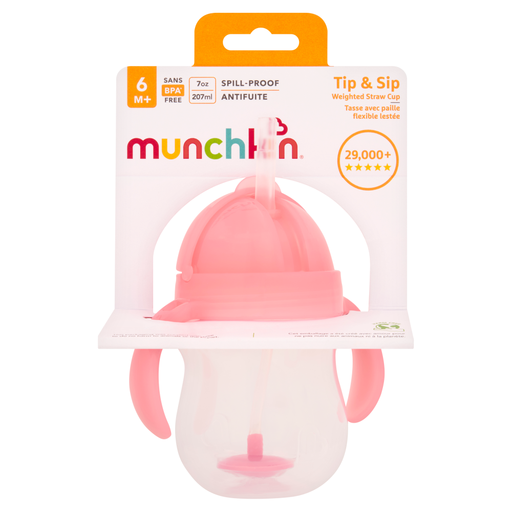
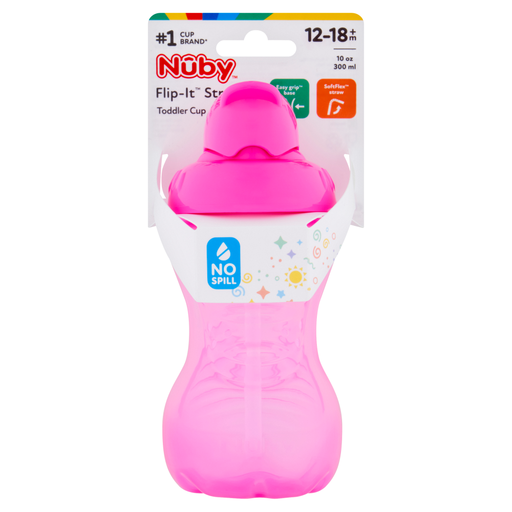
Every child has their own preferences, and sometimes the journey to the perfect cup involves a little trial and error. If these recommendations aren't quite what you're looking for, or if you'd like to see options with different characters or materials, you can find more choices in our full collection.
Explore our complete range of Childrens Novelty Cups here.
Most health professionals suggest introducing a trainer cup or baby weaning cup around 6 months of age, at the same time you begin introducing solid foods. However, every baby develops differently. Look for signs of readiness, such as being able to sit up unsupported and showing an interest in drinking from a cup.
To ensure proper hygiene, it's important to completely disassemble the cup before washing. This includes removing any lids, valves and straws. Wash all parts in warm, soapy water or place them on the top rack of the dishwasher if the manufacturer's instructions permit. Pay special attention to small parts like valves and the inside of straws, using a small brush (like the one included with the Munchkin cup) for a thorough clean.
Neither is definitively "better"; they just serve different purposes and suit different developmental stages. Some dentists and speech therapists favour straw cups as they can help promote mature swallowing patterns and oral muscle development. However, a soft-spouted sippy cup can be an easier first step for a baby transitioning directly from a bottle. The ideal approach is often to offer both and see which your child prefers and handles more easily.