
24/7 Customer Support

Free returns

Same-day & Next-day Delivery

Quality Guaranteed

Unlock Your Welcome Offers: FREE Delivery | Up to 80% OFF | Free 30-day JoyPlus trial
Download the APP
Navigating the world of toddler cups can feel overwhelming. Shelves are filled with promises of "no-spill" magic and "easy-clean" designs, yet many parents find themselves with a cupboard full of cups that leak, are impossible to clean or are quickly rejected by their little one. The transition from bottle or breast to cup is a significant milestone, but choosing the wrong one can lead to frustration, wasted money and a very soggy nappy bag.
As a Joybuy Product Recommendation Officer, my role is to help you sidestep the common pitfalls. Many cups that claim to be completely leak-proof often fail the real-world toddler test—being dropped, shaken and thrown. Another frequent issue is the "easy-clean" cup that harbours hidden mould in complex valves and straws you can't see inside. These design flaws not only create a hygiene risk but also turn a simple task into a daily chore. This guide will help you understand the key features that actually matter, so you can choose a cup that supports your child's development and makes your life easier.
Before adding a cup to your basket, it's vital to look beyond the colourful packaging. Focusing on a few core parameters will ensure you get a product that is safe, practical and appropriate for your child's stage of development.
Not all cups are created equal, and the right choice depends heavily on your child's age and abilities. Using the wrong type can hinder their progress or cause unnecessary frustration.
Your child's safety is paramount. In the UK, all children's feeding products must be BPA-free. However, it's also wise to check for cups that are explicitly free from other chemicals like BPS, Phthalates and PVC. The material should also be durable enough to withstand being dropped from a highchair multiple times a day.
A cup that is difficult to clean is a cup you will grow to resent. Look for designs with minimal parts, wide openings and no tiny crevices where milk or juice residue can get trapped. Cups with one-piece valves are generally easier to manage than those with multiple small, fiddly components. Dishwasher-safe (top rack) is a non-negotiable feature for many busy parents.
Based on these practical considerations, we've matched some suitable options to different parenting needs.
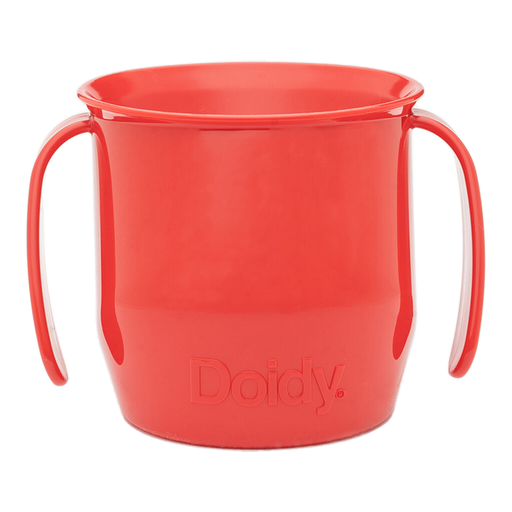
Why This Fits Their Persona: For parents starting their weaning journey, this cup is focused on development. Its unique slanted design allows the baby to see the liquid and learn to sip naturally, supporting oral health from the very beginning.
It completely sidesteps the "hard-to-clean" trap. As a simple, one-piece open cup, there are no hidden valves or straws to scrub, ensuring perfect hygiene with a simple wash.
Promotes natural sipping action and hand-eye coordination. It's also made in the UK from food-safe plastic and is recommended by health professionals.
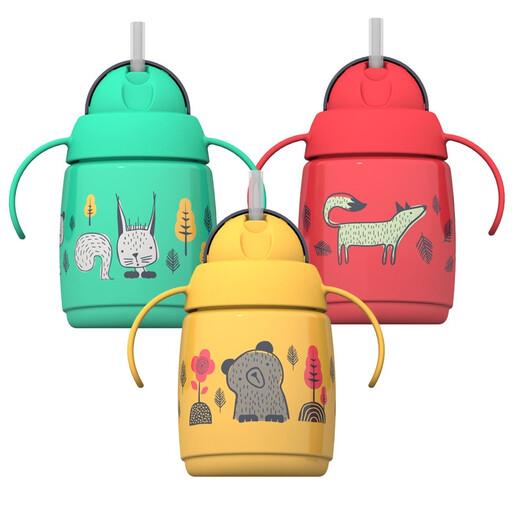
Why This Fits Their Persona: Perfect for parents who need a reliable cup for nursery, car journeys or days out. The weighted straw allows drinking from any angle, and the focus on leak-proof technology provides peace of mind.
It counters the "leak-proof" myth with a specific feature: INTELLIVALVE anti-leak technology, designed to withstand shaking. It also includes a cleaning brush, acknowledging the straw-cleaning challenge.
The weighted straw is a major plus for ease of use. The straw also features BACSHIELD antibacterial material, adding an extra layer of hygiene.
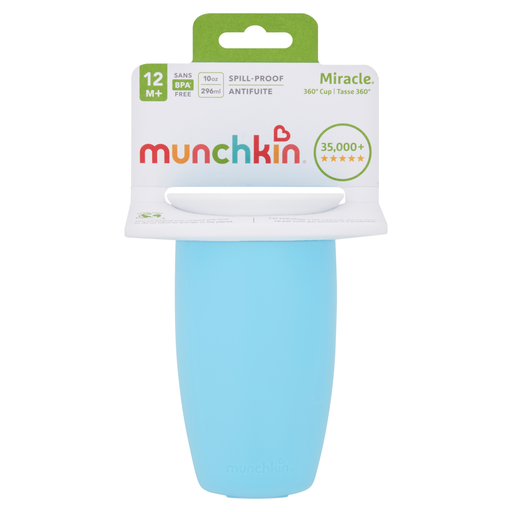
Why This Fits Their Persona: For parents of active toddlers, this cup offers a great balance of spill-prevention and developmental support. It's a durable, practical choice that bridges the gap to using an open cup without the constant spills.
It directly solves the "hard-to-clean" problem with its simple, two-part design (cup and lid/valve). There are no hidden nooks, making it genuinely easy to wash thoroughly.
The spoutless, 360-degree drinking edge is dentist-recommended for supporting normal muscle development in a child's mouth. The valve seals automatically after drinking.
We have compiled a complete, real-time list of products that fully satisfy these strict selection criteria and UK safety regulations.
Most health professionals in the UK, including the NHS, suggest introducing a cup from around 6 months of age to coincide with the start of weaning. Starting with an open cup or a free-flow cup at mealtimes can help your baby learn to sip and is beneficial for their dental health.
There is no fixed timeline, but you should inspect cups before each use. Look for signs of wear and tear, such as cracks in the plastic, bite marks on the spout or straw or a valve that no longer seals properly. If any part is damaged, it's time to replace the cup or the specific component to ensure it remains safe and hygienic.
Many dentists and speech therapists favour spoutless cups, like the 360 cup, over cups with hard spouts. This is because the 360 design encourages a more natural sipping action, similar to drinking from an open cup. This action helps develop the muscles in the mouth correctly, whereas prolonged sucking on a hard spout can sometimes affect tooth alignment and oral development.