
24/7 Customer Support

Free returns

Same-day & Next-day Delivery

Quality Guaranteed

Unlock Your Welcome Offers: FREE Delivery | Up to 80% OFF | Free 30-day JoyPlus trial
Download the APP
Navigating the world of toddler cups can feel overwhelming. Shelves are filled with countless options, each promising to be the perfect solution for your little one. Yet, many parents find themselves with a cupboard full of cups that leak, are impossible to clean or are simply rejected by their child. As a Joybuy Product Recommendation Officer, my role is to help you see past the marketing claims and focus on what truly matters.
Before you buy another cup, be aware of these common pitfalls that often lead to frustration and wasted money:
By understanding these issues, you can make a more informed choice that supports both your child's development and your own peace of mind.
To choose the right cup, it helps to understand a few core parameters. Focusing on these will ensure you get a product that is safe, practical and developmentally appropriate.
Not all cups are created equal, and the right type depends on your child's age and stage.
baby trainer cup is a great first step after the bottle. They typically feature two handles for an easy grip and a soft spout that is gentle on sensitive gums. This is an ideal weaning cup 6 months into your journey.straw cup for 1 year old is another option favoured by feeding specialists. Drinking from a straw helps strengthen lip, cheek and tongue muscles, which is beneficial for speech development.This is one of the most important distinctions to understand.
non-spill toddler water bottle for travel or use in the car. However, the sucking action required is different from drinking from an open cup.Safety and hygiene are non-negotiable. Always look for cups that are explicitly labelled as a BPA-free baby beaker. Polypropylene (PP) and silicone are common, safe materials. Beyond the material, consider the design. A cup with fewer, simpler parts will always be easier to clean thoroughly, reducing the risk of hidden mould growth.
Based on these practical criteria, here are a few recommendations from our catalogue, matched to different parental needs.
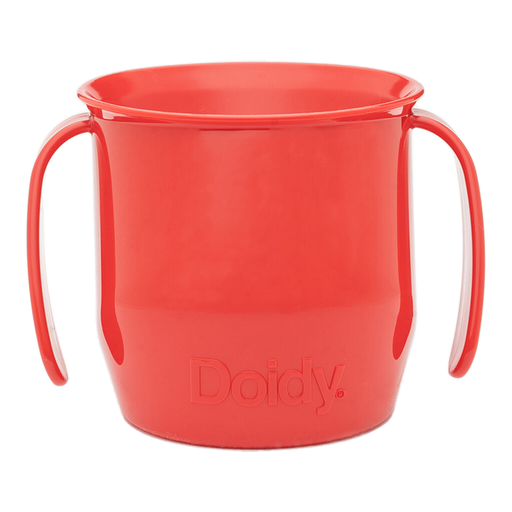
Why This Fits Their Persona: Ideal for parents starting the weaning journey from as early as 3 months. This cup is designed specifically to teach open-cup drinking skills, a key developmental milestone recommended by UK health professionals.
It directly addresses the oral development pitfall by being a spoutless, open cup. The unique slant helps babies see the liquid and learn to sip naturally, promoting healthy mouth muscle development.
Its simple, one-piece design is exceptionally easy to clean with no hidden parts for mould to grow. It is also manufactured in the UK.
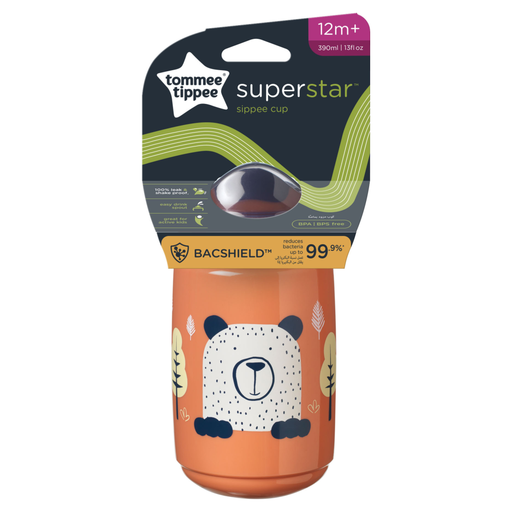
Why This Fits Their Persona: For parents of active toddlers who need a reliable cup for days out, nursery and car journeys. Its large capacity and focus on durability make it suitable for keeping children hydrated all day.
This cup tackles the "spill-proof myth" head-on. According to the brand, its INTELLIVALVE technology is designed to be 100% leak and shake-proof, providing confidence when it's thrown in a bag.
It features a durable, bite-resistant spout designed to withstand toddlers' teeth. The ergonomic shape is also easy for little hands to hold securely.

Why This Fits Their Persona: Perfect for any parent who has struggled with cleaning tiny straws and worries about hidden mould. This cup's primary feature is its focus on straightforward, thorough cleaning.
It solves the "hidden cleaning nightmare" with an innovative straw that zips open. This allows you to scrub the inside completely without needing a special, tiny brush, ensuring total hygiene.
Besides its unique cleaning feature, the cup includes a spill-proof valve to prevent leaks and is made from durable, BPA-free materials designed to withstand drops.

Why This Fits Their Persona: For parents who want to move their child towards using an open cup but are not ready for the inevitable mess. This cup provides the best of both worlds: developmental benefits and spill prevention.
Its spoutless design is dentist-recommended, supporting normal muscle development in a child's mouth. It avoids the oral development pitfall while the 360° valve prevents the spills associated with traditional open cups.
The cup automatically seals when the child stops drinking, making it highly spill-resistant. It's also easy to clean with just two simple parts and has handles for small hands.
We have compiled a complete, real-time list of products that fully satisfy these strict selection criteria and UK safety regulations.
The term "sippy cup" covers a wide range of products. You can introduce a weaning cup like an open or trainer cup from as early as 4-6 months to help your baby learn to sip. Straw cups and 360° cups are also suitable from around 6 months. The key is to choose a cup that matches your child's developmental stage, rather than focusing strictly on age.
Many UK health professionals and dentists recommend free-flow cups because they encourage a natural sipping pattern, which is better for oral and dental development. Non-spill cups, which require sucking, are very practical for preventing messes, especially when out and about. A good approach can be to use free-flow cups at home during mealtimes and a reliable non-spill cup for travel.
You should inspect all parts of the cup, especially spouts and straws, before each use. Look for signs of wear, such as bite marks, tears or thinning. As a general guideline, it's a good idea to replace silicone spouts or straws every 2-3 months, or immediately if you see any damage. The entire cup should be replaced if the plastic is cracked, warped or heavily stained.