
24/7 Customer Support

Free returns

Same-day & Next-day Delivery

Quality Guaranteed

Unlock Your Welcome Offers: FREE Delivery | Up to 80% OFF | Free 30-day JoyPlus trial
Download the APP
Keeping the toilet clean and fresh can feel like a never-ending task. Between weekly deep cleans, daily life can quickly leave your bathroom feeling less than pristine. An automatic toilet bowl cleaner is a simple, low-effort way to maintain hygiene and a pleasant fragrance with every flush.
But with so many options available—from traditional rim blocks to modern gel discs—how do you choose the right one for your home? As the Joybuy Product Recommendation Officer, my role is to help you navigate the choices. This guide will break down the different types of toilet blocks and highlight some of our top recommendations to help you find a practical solution that fits your needs.
The first step is understanding the three main categories of automatic toilet cleaners. Each has its own method of application and set of benefits.
This is the classic design that many of us are familiar with. A toilet rim block consists of a plastic cage containing a solid block of cleaning agent, which hangs over the rim of the toilet bowl. Each time you flush, water flows over the block, releasing cleaning agents, foam and fragrance into the bowl. They are easy to install and provide a clear visual indicator of when they need replacing.
For those who prefer a more discreet solution, an in-cistern toilet block is an excellent option. These blocks are dropped directly into the toilet cistern. They dissolve slowly, treating the water that sits in the tank. This means that with every flush, your entire toilet bowl is rinsed with active cleaning ingredients. Many of these products feature blue water toilet cleaner technology, which provides a visual confirmation that the product is working.
A more recent innovation, toilet gel discs offer a "no-cage, no-touch" approach. Using an applicator, you press a small disc of concentrated gel onto the inside of the toilet bowl. The gel adheres to the ceramic and dissolves gradually with each flush, providing cleaning and freshening action. This design eliminates the plastic cage, which some users find unhygienic or unsightly.
Beyond the type, consider these features to make an informed choice:
Here are a few standout options available on Joybuy, selected to suit different preferences and needs.
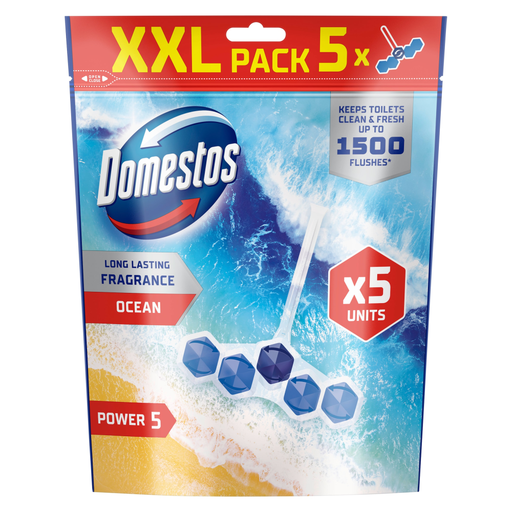
Why It Stands Out: This rim block offers a comprehensive approach to toilet maintenance. Its 5-in-1 formula is designed to tackle hygiene, fragrance, limescale, foam and shine all at once, making it a powerful all-rounder.
Pros:
Who is it for? This is a great choice for households looking for a reliable, multi-benefit rim block that provides consistent performance and a fresh scent between deeper cleans.
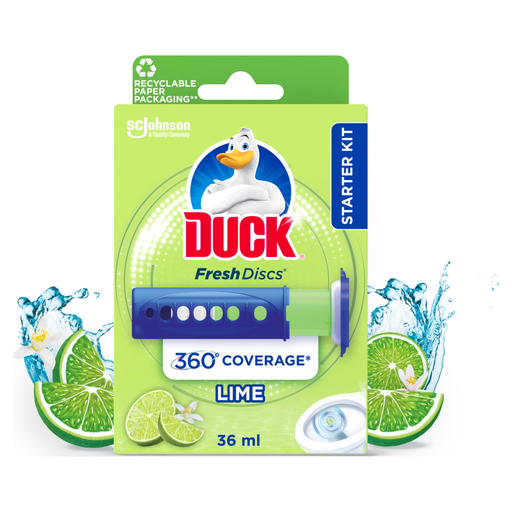
Why It Stands Out: The Duck Fresh Discs system moves away from the traditional cage design. Its gel-based formula is applied directly to the bowl for a more hygienic and discreet appearance, while offering impressive longevity.
Pros:
Who is it for? Ideal for those who dislike the look of traditional rim blocks and prioritise hygiene and longevity. Its discreet design makes it a popular choice for modern bathrooms.

Why It Stands Out: This in-cistern block provides a "clean from within" solution. By treating the water in the cistern, it helps to clean and prevent limescale build-up with every flush, while its signature blue water offers a clear sign that it's working.
Pros:
Who is it for? Perfect for anyone who wants an out-of-sight, low-maintenance automatic toilet bowl cleaner that provides a reassuringly clean flush every time.
While a toilet block is fantastic for maintenance, sometimes the toilet itself is the source of cleaning woes. Older ceramic designs with complex shapes can be difficult to keep pristine. If you're thinking of a bigger refresh, a new, modern ceramic toilet with a rimless design can make cleaning significantly easier.
Explore our curated selection of ceramic toilets to find the perfect fit for your home.
1. Are toilet blocks bad for your toilet? Most modern toilet blocks are designed to be safe for standard ceramic toilets and septic systems when used as directed. However, for in-cistern blocks, it's always a good practice to check the product label to ensure compatibility, especially if you have an older or specialised cistern mechanism.
2. How long does a toilet block last? Longevity varies by product and household usage. Rim blocks and gel discs often last for several hundred flushes, which can translate to a few weeks in an average home. In-cistern blocks typically last for up to four weeks. The product packaging usually provides an estimate in flushes or weeks.
3. Can toilet blocks help with hard water and limescale? Yes, many toilet blocks are specifically formulated for limescale prevention. They release agents that help to prevent mineral deposits from building up on the surface of the bowl. While they are a great preventative measure, they work most effectively when used in a toilet that is already free from heavy, existing scale.