
24/7 Customer Support

Free returns

Same-day & Next-day Delivery

Quality Guaranteed
Download the APP
Categories
Keeping the toilet clean is a fundamental part of household hygiene, but navigating the sheer variety of cleaning products can be a chore in itself. From gels and tablets to foams and discs, each promises a pristine bowl. The challenge is finding a product that genuinely meets your needs, whether you're battling stubborn stains, preventing limescale build-up or simply aiming for continuous freshness.
As a Joybuy Product Recommendation Officer, my role is to help you sift through the options. This guide offers practical advice and highlights a few standout products, focusing on their objective features and how they can simplify your cleaning routine. We'll look at different types of toilet cleaners to help you make an informed choice for your home.
Before you pick a product, consider what you want it to achieve. A quick freshen-up requires a different approach than a deep clean. Here are a few points to keep in mind.
The format of a toilet bowl cleaner directly impacts its convenience and effectiveness for different tasks.
Are you dealing with existing problems or focused on prevention?
For homes with off-mains drainage, it is crucial to choose a product that won't disrupt the system's bacterial balance. Always check the packaging for a "septic safe" or "suitable for septic tanks" statement. Many modern formulas are designed to be a septic safe toilet cleaner, but it is always best to confirm.
Based on different cleaning needs and application types, here are our recommendations to help you achieve a cleaner, fresher toilet.
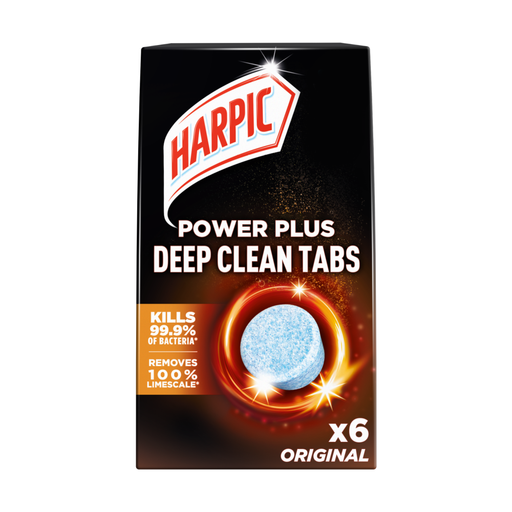
Why It Stands Out: These tablets offer a powerful, hands-off approach to deep cleaning. Their main advantage is the ability to clean areas your brush cannot easily reach, such as deep within the U-bend and below the waterline, breaking down limescale and grime without any scrubbing required.
Pros:
Who is it for?: Households looking for a periodic, powerful solution to deep clean the toilet and eliminate hidden build-up with minimal effort.
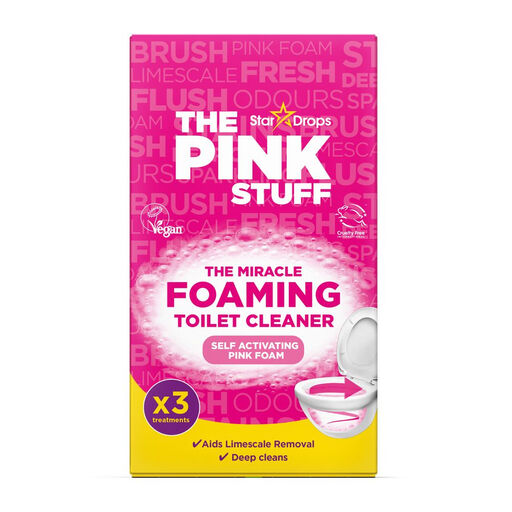
Why It Stands Out: This foaming toilet cleaner transforms the cleaning process with its self-activating pink foam. Simply pour the sachet's contents into the water, and the foam rises to coat the entire bowl, visibly tackling stains and grime while releasing the brand's signature fresh and fruity fragrance.
Pros:
Who is it for?: Those who want a fast, easy and effective weekly cleaner that works as both a toilet stain remover and a toilet freshener.
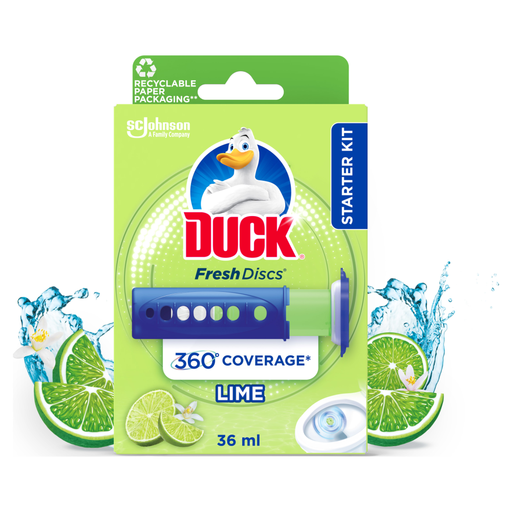
Why It Stands Out: This product is all about prevention and continuous freshness. The gel disc adheres directly to the inside of the bowl, releasing cleaning and freshening agents with every flush. It’s a hygienic, 'set-and-forget' system that helps prevent the build-up of limescale and stains that can harbour germs.
Pros:
Who is it for?: Anyone seeking a low-maintenance solution to keep their toilet consistently fresh and help prevent stains from forming between deeper cleans.
A pleasant fragrance can make a big difference in the overall feel of your bathroom. If scent is a top priority, you may want to explore a wider variety of options.
Discover our full range of scented toilet cleaner products to find the perfect aroma for your home.
1. How often should you clean your toilet? For general hygiene, it's good practice to give the toilet bowl a quick clean with a brush and a liquid cleaner every few days. A more thorough deep clean, using a product like toilet cleaner tablets or a foaming toilet cleaner, is recommended weekly or fortnightly to tackle unseen grime and prevent build-up.
2. Can toilet cleaner remove hard water stains and limescale? Yes, many toilet cleaners are specifically formulated to be a limescale remover toilet solution. Products containing acids (like citric acid) are particularly effective at dissolving the mineral deposits that cause hard water stains. For very stubborn build-up, you may need a product designed for heavy-duty descaling.
3. Are toilet cleaner tablets safe for my septic tank? Many modern toilet cleaner tablets are formulated to be a septic safe toilet cleaner. However, it is always essential to check the product's packaging for a specific statement confirming it is "safe for septic tanks." Using products not designed for these systems can disrupt the necessary bacteria, so verification is key.