
24/7 全天候客户支持

免费退货

当日/次日达

品质保障

开启新人专享福利: 全场免邮 | 低至 2 折 | 免费试用 30 天 JoyPlus 会员
下载 Joybuy
Navigating the cleaning aisle for a new toilet cleaner can feel overwhelming. Shelves are packed with products all promising a sparkling, hygienic bowl. Yet, many of us have been left disappointed by a purchase that failed to live up to its claims. As a Joybuy Product Recommendation Officer, my role is to help you see past the marketing clutter and make an informed choice.
Many common purchasing mistakes stem from a few key areas. Understanding these can save you both money and frustration:
To find a product that genuinely works for your home, it helps to understand a few core parameters. Focusing on these will ensure you get the results you need.
The primary active ingredient determines a cleaner's main strength. There are generally three types:
The consistency of a toilet cleaner gel is crucial for its performance. A thick formula is designed to cling to the vertical surfaces of the toilet bowl, including the hard-to-reach area under the rim. This extended contact time allows the active ingredients to work properly, whether they are dissolving limescale, lifting stains or killing bacteria. When choosing a toilet bowl cleaner, look for descriptions that emphasise a thick, clinging gel for maximum coverage and effectiveness.
Before you buy, identify your main cleaning challenge. Is your primary concern the removal of tough limescale rings? Or are you more focused on daily hygiene and ensuring the bowl is disinfected? Perhaps you are dealing with unsightly stains. While some products offer a balance, those formulated for a specific task will usually deliver more noticeable results. Matching the product's strength to your specific need is the key to a successful purchase.
Based on these practical considerations, here are a few recommendations tailored to different household needs across the UK.
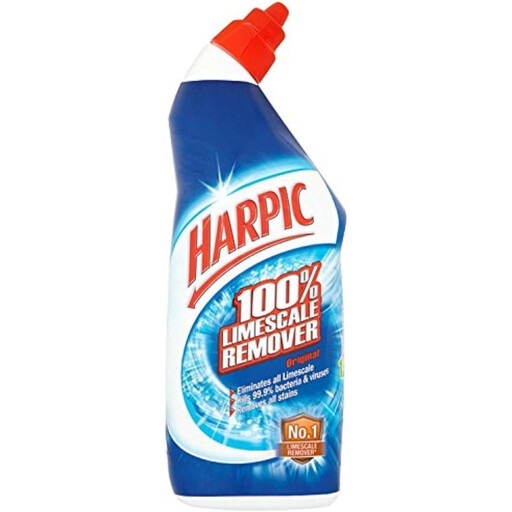
Why This Fits Their Persona: For those living in areas with hard water, limescale is a constant battle. This user needs a product with a powerful formula specifically designed to dissolve mineral build-up without endless scrubbing.
It avoids the weak "all-in-one" trap by focusing its primary action on limescale removal. The hydrochloric acid-based formula is targeted for this specific, tough job.
Its main purpose is to tackle limescale, a common issue in many UK homes. The gel formula also clings to the bowl to maximise contact time.
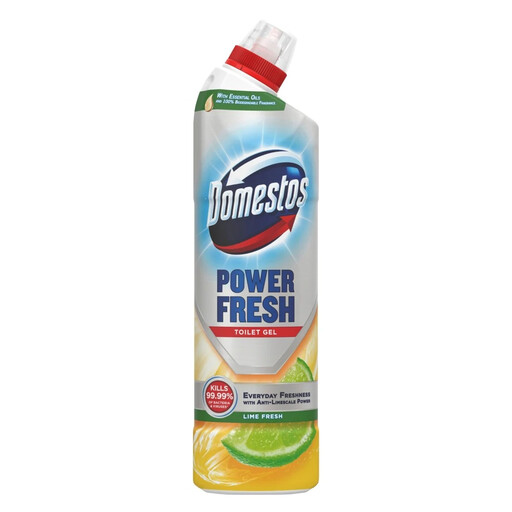
Why This Fits Their Persona: For families with children, pet owners or anyone prioritising sanitation, the main goal is killing germs. They need a reliable disinfectant that provides peace of mind.
This product avoids the fragrance fallacy. While it has a pleasant lime scent from essential oils, its core function is disinfection, killing germs rather than just masking smells.
Its bleach-free disinfecting power comes from Benzalkonium Chloride. The formula is also designed to grip below the waterline for a thorough clean.
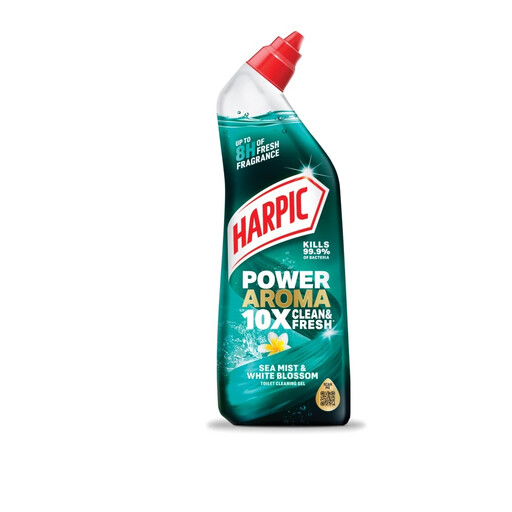
Why This Fits Their Persona: This user wants an effective clean but also values a sophisticated, lasting fragrance that enhances the bathroom environment, rather than a harsh chemical smell.
It combines a powerful dual-active cleaning system with advanced odour-fighting technology, ensuring the pleasant scent is a feature of a truly clean toilet, not a mask for a poor one.
This product is formulated with 50% more fragrance than some other variants and odour-fighting technology for a scent that lasts up to eight hours, while still tackling limescale and killing bacteria.
We have compiled a complete, real-time list of products that fully satisfy these strict selection criteria and UK safety regulations.
For general maintenance and hygiene, using a toilet cleaner gel two to three times a week is usually sufficient. For tough limescale build-up or stubborn stains, you may need to apply it daily for a period or leave the product to work overnight before scrubbing and flushing. Always refer to the product's specific instructions for guidance.
Many modern toilet cleaners are formulated to be safe for use with septic tanks when used as directed. However, it is crucial to check the product label before purchasing. Products containing high concentrations of bleach or certain harsh chemicals may disrupt the bacterial balance in a septic system. Look for labels that explicitly state "safe for septic tanks."
While both clean the toilet, their primary functions can differ. A standard toilet cleaner gel is often formulated to tackle a combination of issues like limescale, stains and odours, with disinfection as a key benefit. A thick toilet bleach, on the other hand, has sodium hypochlorite as its main active ingredient, making its primary strengths heavy-duty disinfection and whitening of the bowl. Your choice depends on whether your main priority is stain removal and whitening (bleach) or targeted limescale removal and general cleaning (specialist gel).