
24/7 Customer Support

Free returns

Same-day & Next-day Delivery

Quality Guaranteed

Unlock Your Welcome Offers: FREE Delivery | Up to 80% OFF | Free 30-day JoyPlus trial
Download the APP
A clean toilet is fundamental to a hygienic and pleasant home. Yet, tackling stubborn stains, persistent limescale and unpleasant odours can feel like a constant battle, especially in hard water areas across the UK. Choosing the right toilet cleaner from a crowded shelf can be confusing. Some promise to eliminate germs, others focus on dissolving limescale and a growing number offer eco-friendly credentials.
This guide is designed to help you navigate the options. As your Joybuy Product Recommendation Officer, I’ve filtered the information to provide practical advice, helping you select a toilet bowl cleaner that effectively meets your specific needs, whether you're focused on powerful disinfection, environmental impact or simply achieving a sparkling clean finish.
Before you buy, consider what you need your cleaner to do. Focusing on these key points will help you make a more informed choice.
Is your main issue the chalky, hard-to-remove build-up around the waterline? You'll want to look for a dedicated limescale remover for toilets. These products often contain acids (like hydrochloric or citric acid) specifically formulated to break down mineral deposits. If your priority is hygiene and eliminating germs, a disinfectant toilet cleaner with antibacterial and antiviral properties is the better choice. Many products offer a combination of both, but checking the label for its primary function is key.
The consistency of a cleaner matters. A thick toilet gel is designed to cling to the vertical surfaces of the bowl, including under the rim, for a longer period. This extended contact time allows the active ingredients to work more effectively on stains and limescale before you need to scrub. This is often a more efficient choice than thinner, more liquid formulas that can run straight down into the water.
For those with septic tanks or a preference for greener cleaning, an eco-friendly toilet cleaner is essential. These products use plant-based, biodegradable ingredients and avoid harsh chemicals that can disrupt the balance of a septic system or harm aquatic life. Many are also packaged in recycled materials or offered as a toilet cleaner refill, which helps reduce plastic waste and often provides better long-term value. Always check if a product is explicitly marked as a septic tank safe toilet cleaner.
Based on common household needs in the UK, here are our recommendations for effective toilet cleaners.

Why It Stands Out: This Harpic gel is a powerful solution specifically targeting one of the most common bathroom cleaning problems in the UK: limescale. Its formula is designed to dissolve tough mineral deposits effectively.
According to the manufacturer, this product eliminates 100% of limescale and kills 99.9% of bacteria and viruses. The gel consistency helps it coat the entire bowl, including under the rim, for a comprehensive clean. Its active ingredient is hydrochloric acid (9g per 100g), making it a formidable opponent to stubborn build-up.
Pros:
Who is it for? Households in hard water areas that struggle with significant and recurring limescale build-up. It is ideal for those who need a powerful, fast-acting solution to restore a stained toilet bowl.
View Harpic Limescale Remover on Joybuy
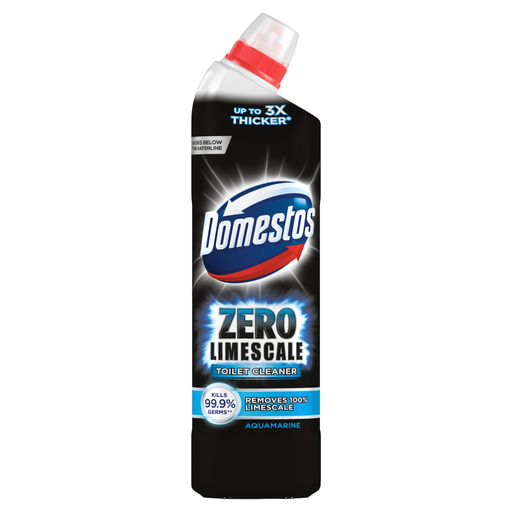
Why It Stands Out: Domestos Zero Limescale is known for its extra-thick formula. The brand states it is up to three times thicker than some alternatives, allowing it to cling to vertical surfaces even below the waterline. This ensures the active ingredients have maximum contact time to dissolve limescale and eliminate germs.
It is a chlorine-free formula that tackles both limescale and germs, with the manufacturer stating it kills 99.9% of microbes. The aquamarine fragrance also leaves a fresh scent, a pleasant alternative to more clinical-smelling cleaners.
Pros:
Who is it for? Those looking for a powerful disinfectant that also performs well as a limescale remover. Its thick consistency makes it a great choice for anyone wanting a cleaner that stays put and works longer on tough stains.
View Domestos Zero Limescale on Joybuy
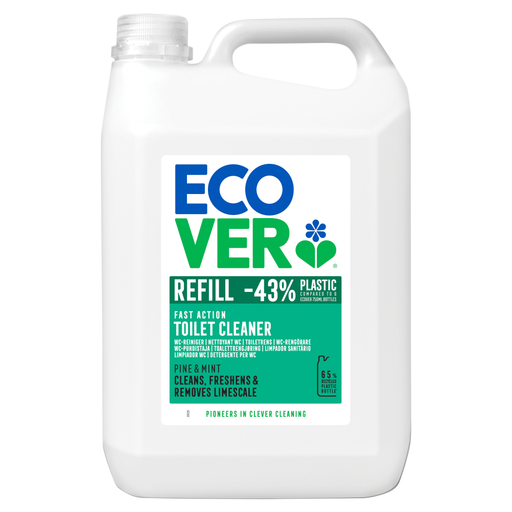
Why It Stands Out: This Ecover product offers a different approach, prioritising environmental responsibility without compromising on cleaning power. It uses plant-based, biodegradable ingredients, with citric acid as its primary decalcifying agent. This makes it an effective eco-friendly toilet cleaner.
It is explicitly stated to be a septic tank safe toilet cleaner, making it a worry-free choice for homes with off-mains drainage. The 5-litre toilet cleaner refill size offers excellent value and significantly reduces plastic consumption, aligning with a more sustainable lifestyle.
Pros:
Who is it for? Environmentally conscious consumers, households with septic tanks or anyone sensitive to the harsh fumes of conventional cleaners. It is also a great value option for those who want to buy in bulk.
View Ecover Toilet Cleaner Refill on Joybuy
While these toilet cleaners address the most common needs, you may be facing particularly stubborn limescale on other bathroom fixtures like taps and shower screens. For a wider range of targeted solutions, you may want to explore more options.
Discover our full range of products in the best limescale remover category to find the perfect match for every surface in your home.
Q: How often should I clean my toilet? A: For general hygiene, it is good practice to give the toilet bowl a quick clean with a brush every few days and a more thorough clean with a toilet cleaner at least once a week. In larger households or commercial settings, more frequent cleaning may be necessary.
Q: What is the difference between a toilet cleaner and general-purpose bleach? A: While bleach is a powerful disinfectant, it is not formulated to remove limescale. Specialised toilet cleaners, particularly acid-based ones, are designed to dissolve the mineral deposits that cause limescale. Many toilet cleaners also have a thicker consistency to cling to the bowl, whereas bleach is much thinner.
Q: Can I use toilet cleaner on my sink or bathtub? A: It is generally not recommended. Toilet cleaners, especially those containing strong acids, can be too harsh for the surfaces of sinks, bathtubs or tiles, potentially causing damage or discolouration. Always use products specifically designed for those surfaces and read the label instructions carefully.