
24/7 Customer Support

Free returns

Same-day & Next-day Delivery

Quality Guaranteed

Unlock Your Welcome Offers: FREE Delivery | Up to 80% OFF | Free 30-day JoyPlus trial
Download the APP
From a simple weeknight pasta to a rich lasagne or a spicy dip, the right tomato sauce can transform a meal. Yet, the supermarket aisle presents a dizzying array of jars, pouches and tins, all promising authentic flavour. Navigating the marketing claims to find a sauce that genuinely delivers on taste and quality can be a challenge for any busy home cook.
As a Joybuy Product Recommendation Officer, my role is to help you see past the hype. Many shoppers find themselves disappointed by sauces that are overly sweet, disappointingly thin or simply don't taste of fresh tomatoes. Before you make your next purchase, let's look at a few common pitfalls to avoid.
To ensure you bring home a sauce that meets your needs, focus on a few key details on the packaging. These objective markers are far more reliable than front-of-pack marketing slogans.
The foundation of any good tomato sauce is, of course, the tomato. The ingredients list, which is always ordered by quantity, is your most valuable tool. Look for sauces where tomatoes or tomato purée are the first ingredient. Pay attention to the percentage; a higher percentage (e.g., 60% or more) usually indicates a richer, more authentic tomato flavour. Sauces made from whole or chopped tomatoes often have a chunkier, more rustic texture, while those based on tomato paste or concentrate can be smoother but sometimes less vibrant.
For a clearer picture of what you're consuming, always check the nutritional information per 100g. This allows for a fair comparison between different products.
Not all tomato sauces are created equal. A thin simmer sauce is designed to tenderise meat or vegetables over time, while a thick lasagne sauce is formulated to hold its structure between layers of pasta. A tomato hot pot base is concentrated and intended for dilution in water or broth. Similarly, a classic tomato and basil sauce offers a different experience from a fiery arrabbiata sauce. Matching the sauce's intended function—be it for pasta, dipping or as a cooking sauce base—is crucial for achieving the desired result in your kitchen.
To help you find a starting point, we've matched a few options to different cooking styles and needs.
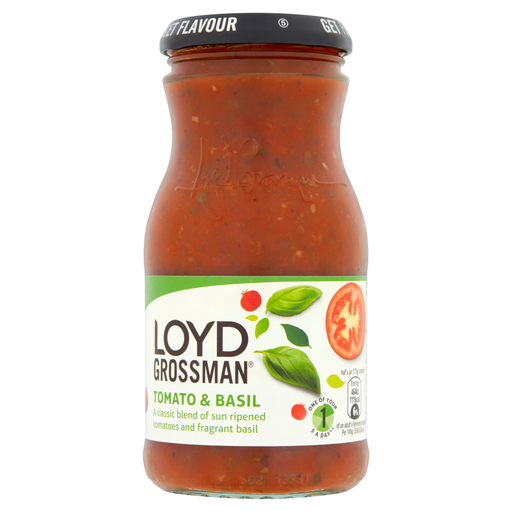
Why This Fits Their Persona: This is a reliable and versatile pantry staple for quick and flavourful weeknight meals. Its classic tomato and basil profile is a crowd-pleaser, perfect for a simple pasta dish that the whole family can enjoy without fuss.
It avoids the "vague flavour" trap with a clear ingredients list, specifying Tomatoes (60%) and Basil (2.5%). The sugar content (6.0g per 100g) is transparent and moderate for a pre-made sauce.
Contains no artificial colours or preservatives. Its balanced consistency makes it suitable for pasta, as a base for bakes or even on a pizza.
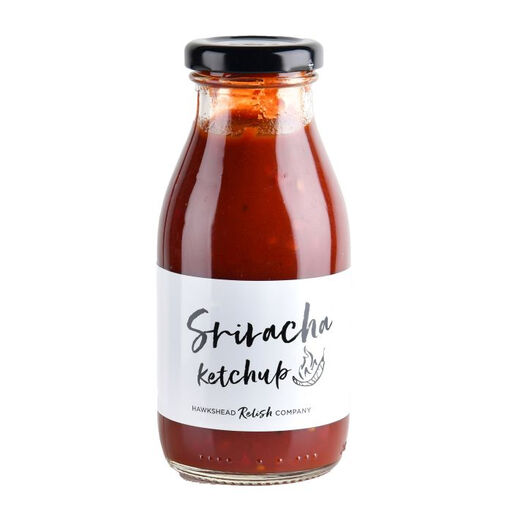
Why This Fits Their Persona: For those who find standard tomato ketchup too plain, this offers a modern twist. It provides a noticeable chilli heat that elevates everything from chips and burgers to a homemade chilli con carne.
This spicy tomato sauce is upfront about its ingredients, clearly listing Red Chilli Peppers (11%) and Chilli Powder (0.5%). You know exactly where the balanced heat comes from, avoiding the "vague spices" pitfall.
Produced in small batches in the English Lake District, it contains no artificial colourings, flavourings or preservatives. It offers a complex blend of tangy sweetness and mild spice.

Why This Fits Their Persona: Ideal for those looking to recreate an authentic Asian hot pot experience at home. This base provides a convenient and flavourful foundation for a communal meal and is also versatile enough for noodle soups or braised dishes.
It avoids the "watery consistency" problem by being a concentrated tomato hot pot base designed for dilution. Its purpose is clear, preventing you from mistakenly using it as a ready-to-eat pasta sauce.
Brings the well-known Haidilao restaurant flavour to your home kitchen. It offers a rich, sweet and tangy profile that serves as an excellent base for a variety of Asian-inspired dishes.
We have compiled a complete, real-time list of products that fully satisfy these strict selection criteria and UK safety regulations.
Once opened, most jarred tomato sauces should be refrigerated and consumed within 3 to 5 days. The acidity of the tomatoes helps with preservation, but it's always best to check the product's label for specific storage instructions. To prolong its life, use a clean spoon each time you take some from the jar to avoid introducing bacteria.
Yes, you absolutely can. A thicker pasta sauce, such as a classic or arrabbiata sauce, works very well. Simply spread a thin, even layer over your pizza dough before adding cheese and toppings. Thinner sauces, like some simmer sauces, might make the base soggy, so it's best to choose one with a richer consistency.
The main difference lies in their consistency and intended use. A pasta sauce is typically ready to be heated and served, with a thickness designed to cling to pasta. A simmer sauce is often a bit thinner and is meant to be a base in which you cook other ingredients, like meat or vegetables over a longer period. This allows the flavours to meld and the sauce to reduce and thicken during cooking.