
24/7 Customer Support

Free returns

Same-day & Next-day Delivery

Quality Guaranteed

Unlock Your Welcome Offers: FREE Delivery | Up to 80% OFF | Free 30-day JoyPlus trial
Download the APP
From a simple weeknight pasta to a show-stopping lasagne, a good tomato sauce is the cornerstone of countless satisfying meals. Yet, the supermarket aisle presents a dizzying array of jars, pouches and tins, all promising authentic flavour. It can be frustrating to spend money on a sauce that turns out to be disappointingly bland, overly sweet or simply wrong for your intended dish.
As the Joybuy Product Recommendation Officer, my role is to help you navigate the options. We will look past the marketing claims and focus on what truly matters, ensuring your next purchase enhances your cooking rather than hindering it.
Many of us have been let down by a jar of sauce that didn't live up to its promise. This often comes down to a few common issues:
tomato and basil sauce taste more of sugar than herbs.pasta sauce as a lasagne sauce can result in a sloppy, disappointing bake. Likewise, a sweet and tangy tomato ketchup is a poor substitute for a rich tomato cooking sauce in a stew. Choosing a sauce without considering its intended culinary purpose is a frequent misstep.To avoid these pitfalls, a few moments spent reading the label can make all the difference. Here are the core parameters to focus on.
The heart of any tomato sauce is, of course, the tomato. The form and quantity tell you a lot about the final texture and flavour. Look for the percentage of tomatoes on the ingredient list. A higher number generally indicates a richer, more authentic taste. Key terms to understand include:
pasta sauce.Beyond the tomatoes, the supporting cast of ingredients defines the sauce's character. For a classic Italian flavour, look for simple combinations of garlic, basil and oregano. For something with a kick, you will want to see actual chilli, cayenne or paprika listed, not just "spice extracts." This is where you can identify a true spicy tomato sauce or a fragrant garlic tomato sauce.
Pay close attention to the sugar content in the nutritional information. While tomatoes have natural sugars, a high "of which sugars" value, especially when paired with sugar high on the ingredients list, can be a red flag for those preferring a more savoury sauce.
Think about what you are cooking. A good sauce should match the dish:
creamy tomato pasta sauce with mascarpone or cream will be richer and cling well to shapes like penne or rigatoni.lasagne sauce that can be layered without turning watery during baking.tomato soup base or a concentrated tomato cooking sauce is designed to be diluted or used as a foundation for stews, casseroles or even Asian-style hot pots, offering a versatile starting point.Based on these practical criteria, here are a few recommendations from our catalogue, matched to different cooking needs and preferences.
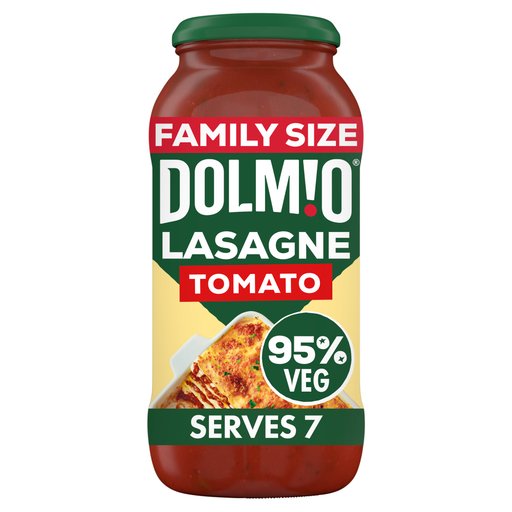
Why This Fits Their Persona: This sauce is designed for convenience when making a family-favourite meal. The large 675g jar is practical for feeding a household, and it's specifically formulated to provide the right consistency and flavour for a classic lasagne, removing the guesswork.
It directly solves the "wrong tool for the job" pitfall. By being a dedicated lasagne sauce, its thickness is optimised for layering, ensuring a well-structured and flavourful bake.
Purpose-built for lasagne, which simplifies the cooking process. The large jar size offers good value for family meals.
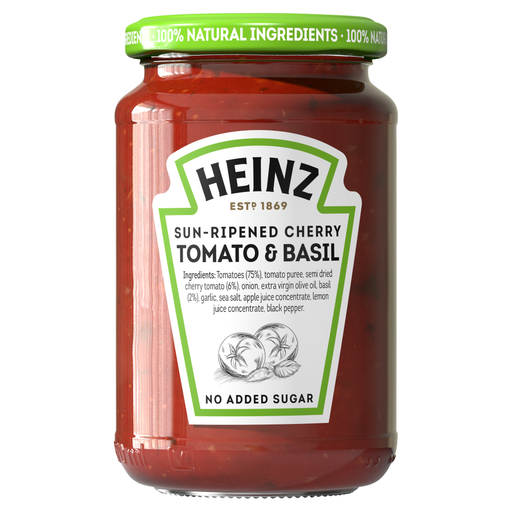
Why This Fits Their Persona: For those who scrutinise labels for unwanted additives, this sauce is a reassuring choice. It is made with 100% natural ingredients and explicitly states "no added sugar," making it suitable for anyone looking to reduce their intake of refined sugars and artificial ingredients.
This sauce directly counters the high-sugar trap. By using apple and lemon juice concentrates for balance, it avoids refined sugar while delivering a well-rounded flavour from its high tomato content (75%) and semi-sundried cherry tomatoes.
Contains no added sugar, no artificial colours, flavours or preservatives. It is also gluten-free and suitable for vegan diets.

Why This Fits Their Persona: For home cooks eager to replicate authentic Asian cuisine, this tomato soup base is a game-changer. It provides the signature sweet and tangy flavour profile of Haidilao's famous tomato hot pot, allowing for an immersive dining experience at home that goes far beyond typical pasta dishes.
This product's specificity is its strength. It avoids the "flavour-infused illusion" by being an authentic base from a renowned restaurant brand, delivering a complex, savoury-sweet profile designed for hot pot, noodles or braised dishes.
Brings an authentic restaurant experience home. It is highly versatile for various Asian dishes beyond just hot pot.
We have compiled a complete, real-time list of products that fully satisfy these strict selection criteria and UK safety regulations.
Once opened, most jarred tomato sauces should be stored in the refrigerator and used within 3 to 5 days. To preserve freshness, it is a good practice to use a clean spoon each time you take some out. Always refer to the storage instructions on the product's label, as some sauces, particularly those with higher vinegar or preservative content, may last longer.
You certainly can, and many simple tomato and basil sauces work well. However, be mindful of consistency. Traditional pizza sauces are often thicker to prevent the dough from becoming soggy. If your pasta sauce seems a bit thin, you can simmer it in a saucepan for 5-10 minutes to allow some of the water to evaporate, which will thicken it nicely.
In the UK, the terms refer to two distinct products. Tomato ketchup is a thick, sweet and tangy condiment, typically containing vinegar and sugar, served with foods like chips, burgers and cooked breakfasts. Tomato sauce is a much broader term for a cooking ingredient, usually savoury, used as a base for dishes like spaghetti bolognese, chilli con carne or casseroles. While both are tomato-based, their flavour profiles and culinary applications are very different.