
24/7 Customer Support

Free returns

Same-day & Next-day Delivery

Quality Guaranteed

Unlock Your Welcome Offers: FREE Delivery | Up to 80% OFF | Free 30-day JoyPlus trial
Download the APP
That sudden, sharp twinge of pain when you enjoy a cold drink or a hot cup of tea is a familiar feeling for many in the UK. Dealing with tooth sensitivity can turn everyday meals into a source of discomfort. The market is filled with options promising relief, but navigating the claims can be confusing. As a Joybuy Product Recommendation Officer, my role is to help you understand the key factors so you can choose a product that genuinely addresses your needs without falling for common marketing traps.
Before you add a new tube to your basket, let's look at a few pitfalls that can lead to wasted money and continued discomfort.
To make an informed choice, it helps to understand what makes these toothpastes work. Focus on these three key parameters when comparing your options.
Formulations for sensitive teeth generally work in one of two ways. Understanding the difference is key to finding what works for you.
Regardless of the sensitivity technology, a quality toothpaste must contain fluoride. Look for formulations with Sodium Fluoride, typically around 1450 ppm fluoride. Fluoride is essential for strengthening tooth enamel, making it more resistant to acid attacks from food and drink and helping to prevent cavities. For those with sensitivity, strong enamel is the first line of defence.
Your oral health needs are rarely one-dimensional. If you also experience issues like bleeding gums or want a brighter smile, look for a multi-benefit formula.
Based on these practical considerations, here are a few options from our catalogue, matched to different user needs.
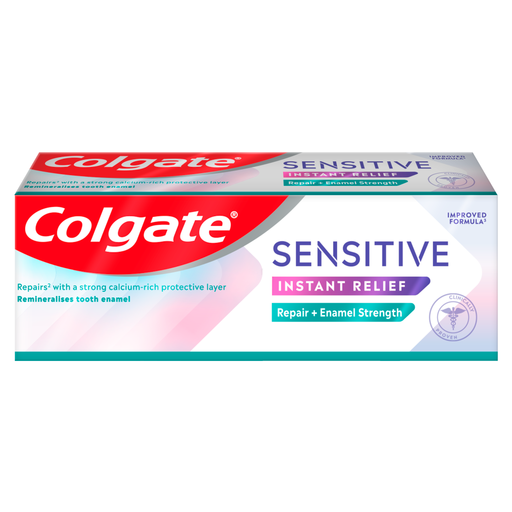
Why This Fits Their Persona: This user experiences sharp, sudden sensitivity and wants a solution that works quickly. The directions for this product even include applying it directly to the tooth for fast-acting relief, making it ideal for those moments of acute discomfort.
It sidesteps the "instant relief illusion" by using Pro-Argin technology, which is designed to physically plug the dentine tubules that cause pain, rather than just masking the symptom. It provides both an immediate and a lasting barrier.
The formula not only provides relief but also helps to remineralise and strengthen enamel, offering a dual-action approach to oral health.
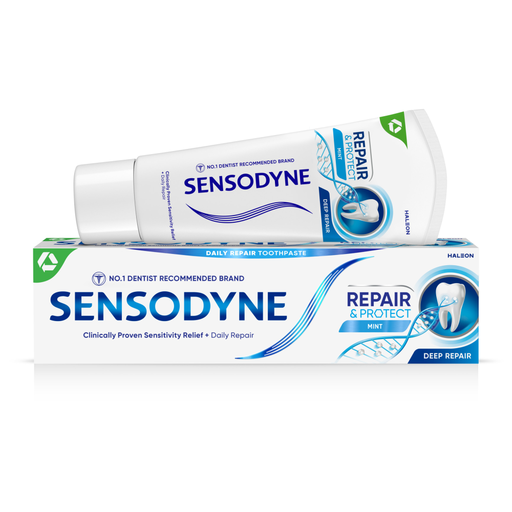
Why This Fits Their Persona: This person views sensitivity as an ongoing condition and wants a reliable daily toothpaste to build up protection over time. They are less concerned with a quick fix and more interested in a consistent, preventative routine.
It avoids the vague "repair" promise by using NovaMin technology. According to the manufacturer, this forms a protective layer over exposed dentine, addressing the physical cause of sensitivity with twice-daily brushing.
This is a focused product that combines a recognised repair technology with fluoride for cavity prevention, making it a solid foundation for a daily oral care routine aimed at long-term protection.
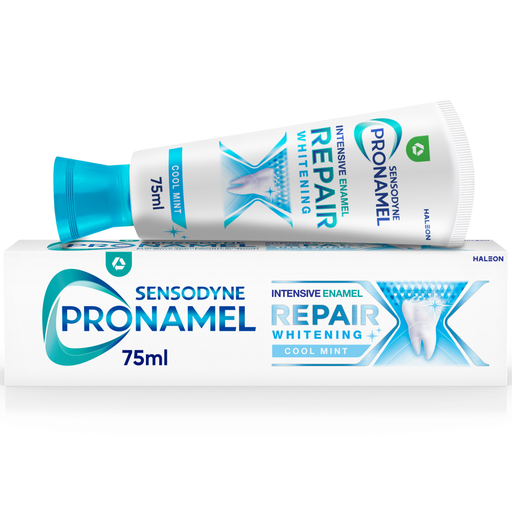
Why This Fits Their Persona: This user doesn't want to choose between sensitivity relief, enamel care and a whiter smile. They are looking for a single product that can tackle multiple concerns effectively without causing further irritation.
It avoids the "harsh whitening" compromise by being specifically formulated to gently lift stains while its primary function is to repair and re-harden acid-weakened enamel. The focus remains on protection and repair.
This toothpaste offers a comprehensive approach by actively repairing enamel, relieving sensitivity with potassium nitrate and providing gentle whitening, making it a highly efficient choice for daily use.
We have compiled a complete, real-time list of products that fully satisfy these strict selection criteria and UK safety regulations.
The time it takes to feel a difference can vary. Formulations with ingredients like Arginine may offer some relief quite quickly when applied directly to the sensitive tooth. However, for most toothpastes that rely on ingredients like Potassium Nitrate or NovaMin, consistent twice-daily brushing is needed. It typically takes around two weeks to build up a protective effect. If your symptoms persist or worsen after four weeks, it is advisable to consult a dentist.
Yes, but it is important to choose a product specifically designed as a whitening toothpaste for sensitive teeth. These are formulated with less abrasive polishing agents that gently remove surface stains without damaging enamel. They also contain active ingredients to manage sensitivity, so you don't have to compromise protection for a brighter smile.
While specialised toothpastes are very effective for managing common sensitivity, it's important to remember that sensitivity can sometimes be a symptom of an underlying dental issue, such as a cavity, a cracked tooth or gum recession. If your sensitivity is severe, appeared suddenly or does not improve with a sensitivity toothpaste, scheduling a visit with your dentist is a sensible step to rule out any other problems.