
24/7 Customer Support

Free returns

Same-day & Next-day Delivery

Quality Guaranteed

Unlock Your Welcome Offers: FREE Delivery | Up to 80% OFF | Free 30-day JoyPlus trial
Download the APP
Navigating the world of toy cars for kids can feel like trying to find a parking space during the holiday rush. With countless options ranging from simple push-along models to sophisticated electric vehicles, choosing a toy that is safe, durable and genuinely engaging for your child can be a challenge.
This guide is designed to help you cut through the clutter. As a Joybuy Product Recommendation Officer, my role is to provide clear, practical advice to help you find a toy car that will bring hours of joy, whether it's for a birthday, a special occasion or just because. We will explore what to look for when buying and highlight a few standout options for 2026.
Before diving into specific models, let's cover a few key considerations. Keeping these points in mind will help you narrow down the choices and select a toy that is a perfect fit for your child and your peace of mind.
The most important factor is safety. Always check the manufacturer's recommended age range. For children aged 3-6, it is crucial to avoid toys with small, detachable parts that could pose a choking hazard. In the UK, look for toys that meet the EN71 safety standards, which ensures they have been tested for safety, flammability and chemical composition. This is especially important for toddler car toys, where safety is paramount.
Consider how your child likes to play. Are they an imaginative builder who loves creating scenarios or do they crave the thrill of a realistic driving experience?
The materials a toy car is made from will determine its longevity. Plastic toys are lightweight and often more affordable, but for rough-and-tumble outdoor play, a vehicle with a steel or metal frame offers superior durability. For those with a keen eye for detail, diecast model cars are crafted from metal and offer a high level of realism, making them a great toy car gift set for careful play or for starting a collection.
Based on our analysis of current market offerings, here are three distinct options that cater to different play styles and preferences.
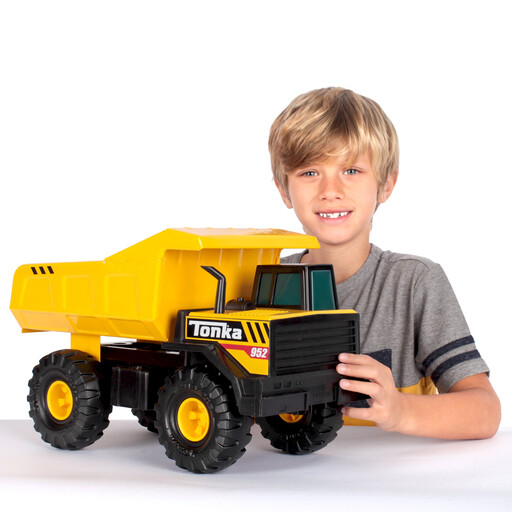
Why It Stands Out: This dump truck is a true classic, built with the legendary Tonka toughness. Its steel construction means it's designed to handle serious play, from hauling sand in the garden to transporting other toys around the house. The simple, battery-free design puts the focus squarely on imaginative, hands-on fun.
Pros:
Who is it for? This is an ideal choice for children aged 3 and up who love physical, imaginative play. It's perfectly suited for both indoor and outdoor adventures, making it a versatile and long-lasting addition to any toy collection.
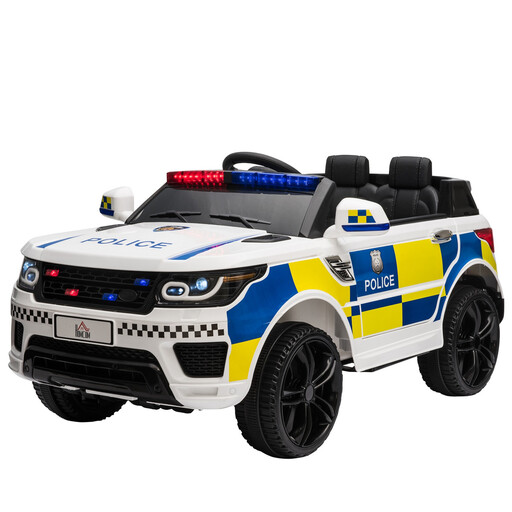
Why It Stands Out: This children's battery powered car delivers an authentic driving experience that will delight any aspiring police officer. It's packed with features, including flashing lights, a siren and multiple music options. Crucially, the dual-control system allows parents to take over via remote, providing an essential layer of safety for young drivers.
Pros:
Who is it for? This ride-on car is perfect for children aged 3-6 who are ready for their first driving adventure. The combination of exciting features and robust safety controls makes it a fantastic choice for supervised outdoor fun.

Why It Stands Out: For the child who appreciates detail, this toy car gift set is an excellent find. It features five officially licensed BMW vehicles, each crafted with die-cast technology for a premium feel and accurate look. With details like suspension and opening doors, these models bridge the gap between toy and collectible.
Pros:
Who is it for? This set is a superb gift for young car enthusiasts aged 3 and over. It's also a great entry point for anyone interested in collecting diecast model cars, offering detailed, high-quality models at an accessible price point.
While these three recommendations cover a range of play styles, they are just the beginning. If you are searching for more vehicles, particularly those with the lasting durability of metal, we invite you to explore our full collection of metal toys.
1. What are the benefits of toy cars for child development? Toy cars are fantastic tools for development. They help improve fine motor skills and hand-eye coordination as children push, pull and steer them. They also foster imaginative play, as children create stories and scenarios, which is crucial for cognitive and social development.
2. Are electric ride-on cars safe for a 3-year-old? Many models are designed specifically for children aged 3 and up, but it is vital to check the manufacturer's specific age and weight recommendations. For this age group, look for key safety features like a low maximum speed, a secure seat belt and, most importantly, a parental remote control. Adult supervision is always essential during play.
3. What is the difference between die-cast and regular plastic toy cars? The main difference is the material and level of detail. Die-cast cars are made by pouring molten metal into a mould, which results in highly detailed, durable and heavier models that are often accurate replicas of real vehicles. Regular plastic toy cars are typically lighter, less detailed and designed more for general, robust play rather than for collecting.